Warrenton, Oregon, may not appear on every travel itinerary, but for photographers, that’s part of its appeal. Situated near the mouth of the Columbia River and shaped by coastal weather, maritime history, and understated architecture, Warrenton offers a rich collection of visual stories, quiet, textured, and authentic. For those willing to look beyond postcard landmarks, Warrenton rewards patience and observation. Weathered buildings, muted coastal light, and working waterfront scenes create images filled with mood rather than spectacle. Subtle details—rusted docks, empty streets, shifting fog offer endless opportunities for storytelling through the lens. In Warrenton, photography becomes less about capturing icons and more about noticing moments that often go unseen.
Coastal Light and Weather as Creative Tools
One of Warrenton’s greatest assets is its light. The town’s proximity to the Pacific Ocean creates constantly shifting conditions, fog rolling in, clouds breaking unexpectedly, and long stretches of soft, diffused light.
Photographers can take advantage of:
- Overcast skies that reduce harsh shadows
- Early-morning fog for atmospheric compositions
- Dramatic weather changes that add depth and motion
These conditions make Warrenton especially suited for mood-driven and documentary photography.
Maritime Details and Working Landscapes
Rather than polished waterfronts, Warrenton offers working coastal environments. Boats, docks, nets, and weathered infrastructure create compelling subjects rooted in function and use.
Look for:
- Texture in rusted metal, rope, and wood
- Repetition in pilings and moored vessels
- Human traces in tools and equipment left between tides
These elements lend themselves well to storytelling and close-up detail shots.
Historic Architecture and Residential Character
Warrenton’s Victorian-era homes and early 20th-century buildings provide a quieter architectural palette than neighboring tourist towns. Their charm lies in scale, aging materials, and integration into everyday life.
Photographic opportunities include:
- Natural framing from porches, fences, and trees
- Subtle contrasts between restored and weathered surfaces
- Soft side lighting during early morning and late afternoon
Respectful distance is key, as many structures are private residences.
Fort Stevens State Park: Scale and Contrast
Just outside town, Fort Stevens State Park offers dramatic shifts in scale from massive concrete gun batteries to expansive beaches and dune systems.
Photographers can explore:
- Strong geometric forms of military architecture
- Wide-angle coastal landscapes
- Long-exposure shots of surf and sky
The park’s layered history adds narrative depth to both the landscape and architectural images.
Wildlife and Natural Movement
Warrenton’s surrounding wetlands and coastal areas attract birds, marine life, and seasonal wildlife. Patience and timing are essential.
Ideal subjects include:
- Shorebirds in early morning light
- Wind-driven grasses and coastal vegetation
- Tidal changes that reshape the shoreline
Telephoto lenses pair well with quieter observation.
Shooting Tips for Warrenton
- Embrace the weather rather than waiting for clear skies
- Pack weather-resistant gear
- Scout locations at different times of day
- Focus on details as much as wide scenes
Warrenton is less about spectacle and more about atmosphere.
Conclusion
For photographers, Warrenton, Oregon, offers something increasingly rare: space to observe without distraction. Its subdued palette, working landscapes, and layered history invite images that feel honest and unforced. In Warrenton, the strongest photographs aren’t found; they’re noticed. And for those willing to slow down, the town reveals itself one frame at a time. Light shifts gently here, softened by coastal air and open horizons, turning ordinary scenes into quiet studies of texture and mood. Fishing boats at rest, weathered docks, and wind-shaped grasses become subjects not through spectacle, but through presence. Even the silence feels visual, a compositional element that allows small details to carry weight. In a place that doesn’t demand attention, photographers rediscover the craft of simply seeing.
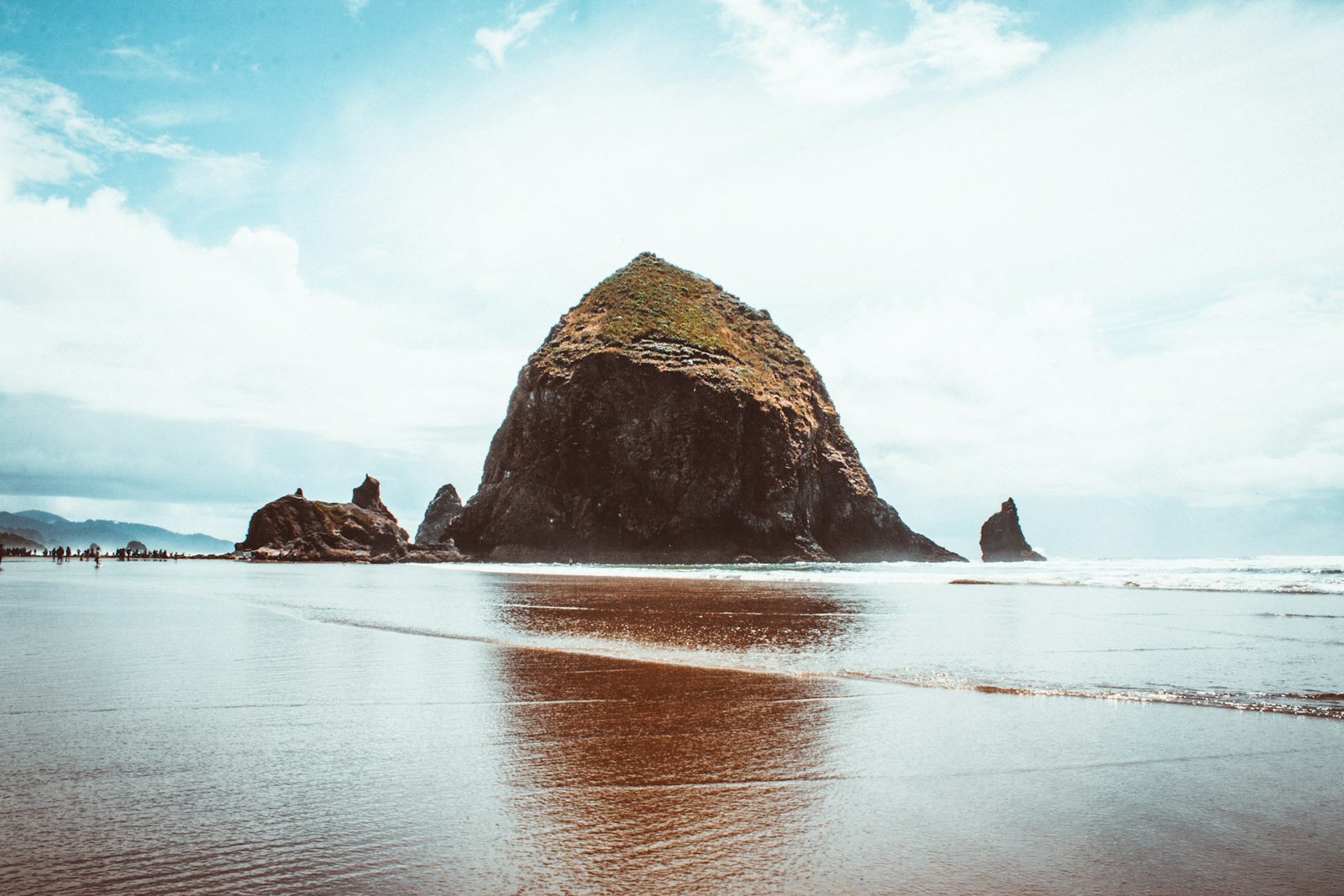
Photo by Cody Doherty on Unsplash