
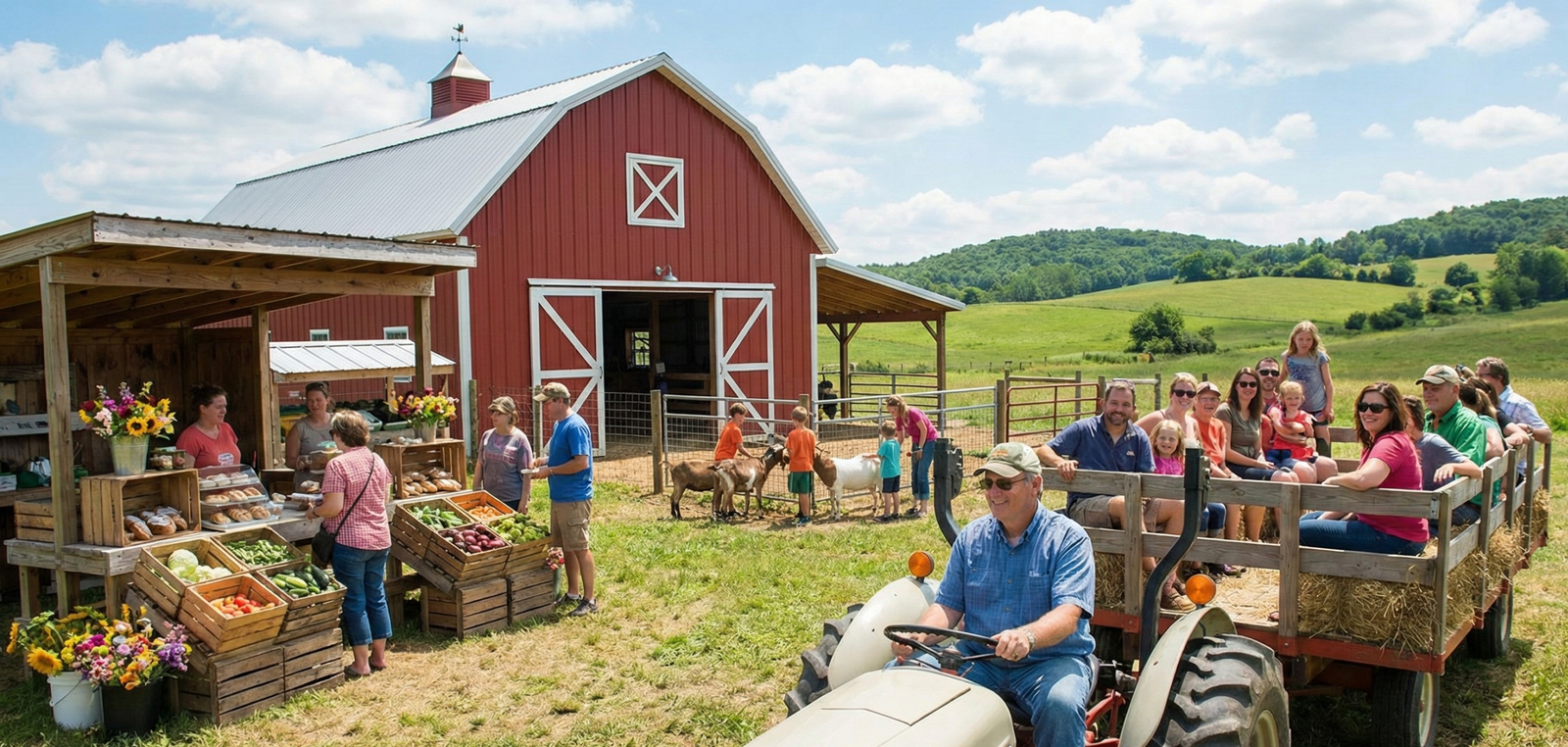
The agricultural landscape is undergoing a significant transformation as farming operations increasingly diversify their revenue streams through agritourism initiatives. This strategic pivot represents more than a mere trend; it has become an essential survival mechanism for many agricultural enterprises facing economic pressures and changing market dynamics.
The Rise of Agritourism as a Revenue Strategy
Traditional farming operations have historically relied solely on crop production and livestock sales to generate income. However, mounting challenges including fluctuating commodity prices, rising operational costs, and unpredictable weather patterns have compelled farmers to explore alternative income sources. Agritourism has emerged as a viable solution, allowing agricultural businesses to capitalize on growing consumer interest in farm-to-table experiences, rural recreation, and agricultural education.
The agritourism sector encompasses a diverse range of activities, from simple farm tours and pick-your-own produce operations to elaborate farm stays, agricultural festivals, and educational workshops. This diversification enables farms to maintain financial stability while preserving their agricultural heritage and contributing to local economic development.
Popular Agritourism Activities Driving Farm Revenue
Modern agritourism operations offer an extensive array of visitor experiences designed to appeal to various demographics and interests. These activities can be categorized into several distinct segments:
Direct Sales and U-Pick Operations
Farm stands and pick-your-own operations remain foundational agritourism activities. These ventures allow consumers to purchase fresh produce directly from the source while experiencing the satisfaction of harvesting their own fruits, vegetables, or flowers. Such operations typically require minimal infrastructure investment while generating substantial foot traffic and creating opportunities for additional sales through complementary products.
Educational Experiences
Agricultural education programs have gained considerable traction as urban populations become increasingly disconnected from food production systems. Farms now offer guided tours, school field trips, workshops on sustainable farming practices, and hands-on demonstrations of traditional agricultural techniques. These educational initiatives not only generate income but also foster public understanding of agriculture’s critical role in society.
Entertainment and Seasonal Events
Many farms have successfully transformed seasonal harvests into elaborate entertainment venues. Pumpkin patches, corn mazes, hayrides, and autumn festivals attract thousands of visitors annually. These events create memorable family experiences while generating significant revenue during peak seasons. Some operations have expanded into year-round attractions, incorporating winter activities, spring planting celebrations, and summer berry-picking festivals.
Farm Stays and Accommodation
Agricultural accommodations represent a premium segment within agritourism, offering visitors immersive rural experiences. From rustic cabins and renovated barns to luxury glamping sites, farm stays provide unique lodging options that command premium pricing. Guests often participate in daily farm activities, enjoy farm-fresh meals, and experience authentic agricultural lifestyles.
Economic Benefits for Agricultural Communities
The expansion of agritourism extends benefits beyond individual farm operations, positively impacting entire rural communities. These initiatives create employment opportunities, stimulate local economies, and help preserve agricultural lands that might otherwise succumb to development pressures.
Agritourism operations typically require additional staff for visitor services, event management, retail operations, and facility maintenance. This employment generation is particularly valuable in rural areas where job opportunities may be limited. Furthermore, successful agritourism ventures often collaborate with other local businesses, creating synergistic relationships that strengthen regional economic networks.
Challenges and Considerations
Despite its potential benefits, agritourism implementation presents several challenges that farm operators must carefully navigate. Regulatory compliance represents a primary concern, as farms venturing into tourism must adhere to various health, safety, and zoning requirements that differ significantly from traditional agricultural regulations.
Liability considerations also require careful attention. Increased visitor traffic introduces risk exposure that necessitates appropriate insurance coverage and robust safety protocols. Infrastructure development demands substantial capital investment, including parking facilities, restroom amenities, signage, and accessibility accommodations.
Seasonal variability affects many agritourism operations, creating feast-or-famine revenue patterns that require careful financial planning and cash flow management. Additionally, farm operators must develop marketing expertise and customer service capabilities that extend beyond their traditional agricultural knowledge base.
Marketing and Digital Presence
Successful agritourism ventures recognize the critical importance of strategic marketing and robust digital engagement. Modern consumers increasingly discover and evaluate agritourism destinations through online channels, making digital marketing essential for attracting visitors.
Effective agritourism marketing strategies incorporate social media engagement, professional websites with online booking capabilities, search engine optimization, and partnerships with tourism boards and travel platforms. Visual content, including high-quality photography and video showcasing farm experiences, proves particularly effective in capturing consumer interest and driving bookings.
Sustainability and Future Trends
The agritourism sector continues evolving in response to changing consumer preferences and societal trends. Growing interest in sustainable agriculture, organic production methods, and environmental stewardship has created opportunities for farms to differentiate their offerings through authentic sustainability practices.
Wellness tourism represents an emerging trend, with farms developing programs centered on farm-based yoga retreats, agricultural therapy, and farm-to-table culinary experiences that emphasize nutrition and holistic health. Technology integration, including virtual farm tours and augmented reality educational experiences, offers additional opportunities for innovation and visitor engagement.
Planning for Agritourism Success
Farms considering agritourism development should approach the transition strategically, beginning with comprehensive feasibility assessments that evaluate market demand, competitive positioning, resource requirements, and financial projections. Successful operations typically start with modest offerings and expand incrementally based on visitor feedback and operational experience.
Collaboration with agricultural extension services, tourism development organizations, and experienced agritourism operators provides valuable guidance and helps avoid common pitfalls. Professional development through agritourism conferences, workshops, and certification programs equips farm operators with essential business management, hospitality, and marketing skills.
As agriculture continues adapting to contemporary economic realities, agritourism stands as a testament to the resilience and innovation of farming communities. By welcoming visitors onto their lands and sharing agricultural experiences, farms are securing their financial futures while fostering vital connections between consumers and the food systems that sustain them.