
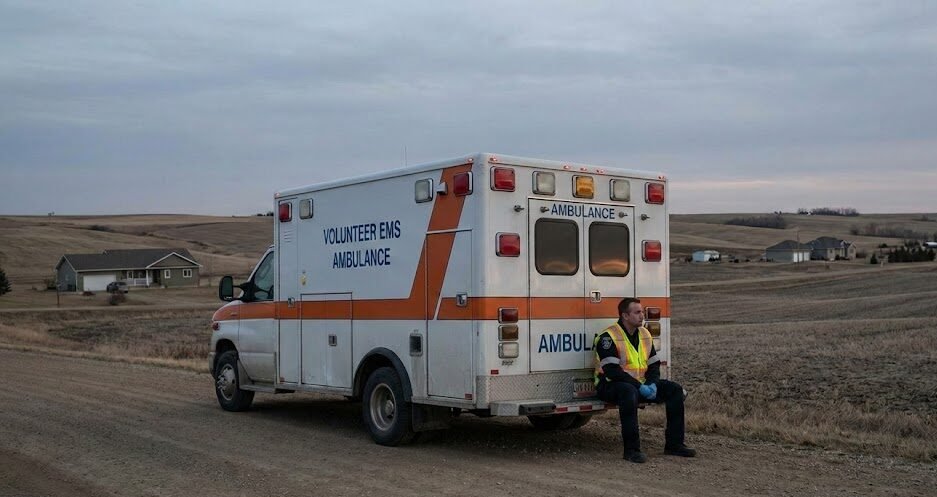
Rural communities across the nation face a mounting crisis in emergency medical services delivery. While volunteer-based Emergency Medical Services (EMS) systems have traditionally served as the backbone of rural healthcare infrastructure, significant operational gaps threaten the quality and timeliness of emergency care available to these populations.
The Structural Challenges of Rural Volunteer EMS
Volunteer EMS systems in rural areas operate under fundamentally different constraints compared to their urban counterparts. These organizations typically serve larger geographic territories with fewer resources, resulting in extended response times and limited coverage capabilities. The reliance on volunteer personnel introduces inherent vulnerabilities that compound existing logistical challenges.
Geographic dispersion represents a primary obstacle to effective emergency response. Rural volunteer agencies must cover vast service areas with limited station locations, often requiring responders to travel considerable distances before reaching patients. This geographic reality directly impacts critical response time metrics and patient outcomes.
Personnel Recruitment and Retention Difficulties
The sustainability of rural volunteer EMS systems hinges on maintaining an adequate workforce, yet recruitment and retention have become increasingly problematic. Several factors contribute to this persistent challenge:
- Declining volunteerism rates across rural communities
- Increasing training requirements and certification standards
- Limited financial incentives or compensation structures
- Burnout from excessive call volumes relative to available personnel
- Competing professional and personal obligations
The average age of rural volunteer EMS providers continues to rise, with insufficient younger volunteers entering the field to replace retiring members. This demographic shift threatens the long-term viability of many rural emergency services organizations.
Response Time Disparities and Coverage Gaps
Response time intervals in rural volunteer systems frequently exceed established benchmarks for emergency medical care. Multiple factors contribute to delayed responses, including:
Availability challenges represent a significant concern. Unlike career EMS personnel who maintain station-based readiness, volunteers must respond from home, work, or other locations when dispatched. This dependency on volunteer availability creates unpredictable response capabilities, particularly during daytime hours when most volunteers maintain regular employment.
Geographic distance compounds temporal delays. Even when volunteers respond promptly, the physical distance to incident locations extends overall response times. Some rural areas experience average response times exceeding thirty minutes, far beyond the critical window for time-sensitive medical emergencies.
Training and Certification Limitations
Rural volunteer EMS providers often face obstacles in accessing comprehensive training and maintaining current certifications. Limited local training opportunities necessitate travel to distant education centers, creating financial and time burdens for volunteers. This geographic isolation from training resources can result in:
- Inconsistent skill proficiency among providers
- Difficulty maintaining certification requirements
- Limited exposure to advanced procedures and protocols
- Reduced continuing education participation rates
The financial burden of certification maintenance disproportionately affects rural volunteers, many of whom receive minimal or no compensation for their service. These economic pressures further exacerbate recruitment and retention challenges.
Equipment and Resource Constraints
Financial limitations significantly impact the operational capacity of rural volunteer EMS systems. Many organizations operate with aging equipment, limited medical supplies, and outdated vehicles. Budget constraints prevent necessary upgrades and equipment replacement, potentially compromising patient care quality.
Rural EMS agencies frequently lack access to advanced life support equipment and medications available in urban systems. This resource disparity limits the scope of care providers can deliver in the field, necessitating longer transport times to appropriate facilities for advanced interventions.
Communication and Technology Infrastructure Deficiencies
Inadequate communication infrastructure poses substantial operational challenges for rural volunteer EMS systems. Dead zones in radio coverage, limited cellular service, and outdated dispatch systems impede coordination and response efficiency. These technological limitations affect:
- Initial emergency notification and dispatch processes
- Communication between responding units and receiving facilities
- Coordination with other emergency services
- Access to electronic patient care documentation systems
- Real-time navigation and routing capabilities
Financial Sustainability Concerns
The economic viability of rural volunteer EMS organizations remains precarious. Limited tax bases in rural communities constrain public funding, while low call volumes reduce billing revenue. Many agencies depend heavily on fundraising activities and donations to maintain basic operations.
Reimbursement challenges further strain financial resources. Rural providers often serve populations with high rates of Medicare, Medicaid, and uninsured patients, resulting in lower collection rates and increased uncompensated care. These financial pressures limit organizational capacity to invest in personnel, equipment, and infrastructure improvements.
Coordination With Healthcare Facilities
Rural volunteer EMS systems frequently encounter challenges coordinating with healthcare facilities. The closure of rural hospitals has extended transport distances to definitive care, increasing scene-to-hospital times and reducing unit availability for subsequent calls. Limited access to specialty care facilities necessitates longer transports for critical patients requiring specific interventions.
Interfacility transfers constitute a growing proportion of rural EMS call volume, further straining already limited resources. These transfers remove units from service areas for extended periods, creating coverage gaps and delayed response capabilities for emergency calls.
Regulatory and Policy Barriers
Rural volunteer EMS organizations navigate complex regulatory environments that often fail to account for their unique operational realities. State and federal regulations developed primarily for urban, career systems may impose unrealistic standards on rural volunteer agencies. Certification requirements, staffing mandates, and equipment specifications designed for high-volume, well-funded systems can prove impractical or unattainable for resource-limited rural organizations.
Policy frameworks frequently lack flexibility to accommodate rural realities, potentially forcing agencies to choose between regulatory compliance and maintaining service availability. This regulatory burden diverts limited resources toward administrative compliance rather than direct patient care improvements.
Strategies for Addressing Response Gaps
Addressing the multifaceted challenges facing rural volunteer EMS systems requires coordinated efforts across multiple stakeholders.