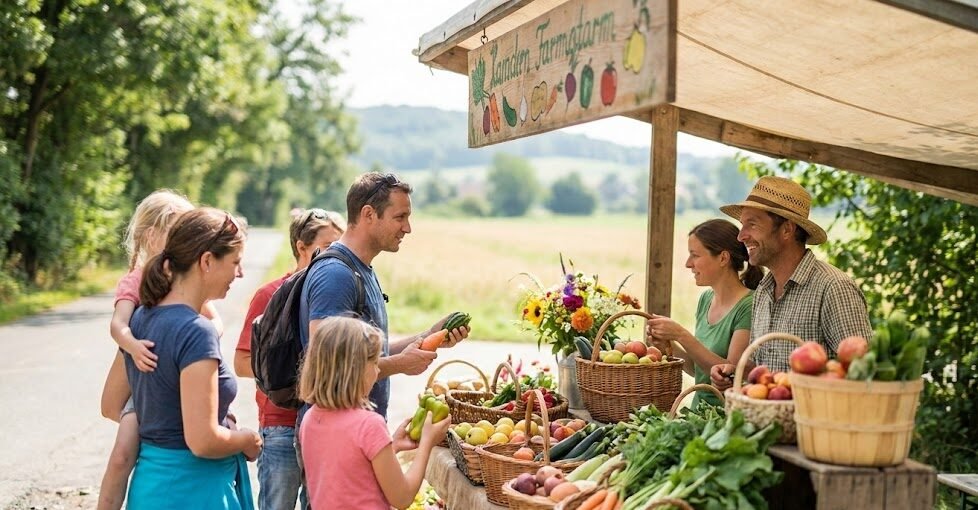
Farm stands represent a cherished tradition that connects rural agriculture with local communities, offering an authentic experience that transcends mere commercial transactions. These roadside establishments serve as vital conduits between farmers and consumers, fostering relationships built on trust, quality, and shared values while providing access to the freshest seasonal produce available.
The Enduring Appeal of Farm Stands
In an era dominated by large-scale retail operations and online shopping, farm stands continue to thrive by offering something increasingly rare: a direct connection to the source of our food. These modest structures, ranging from simple wooden tables to permanent seasonal buildings, dot countryside roads and rural highways, serving as beacons for those seeking authenticity in their food purchases.
The appeal extends beyond convenience. Farm stands offer produce picked at peak ripeness, often harvested the same day it reaches customers. This immediacy translates to superior flavor, enhanced nutritional value, and extended shelf life compared to supermarket alternatives that may have traveled thousands of miles before reaching store shelves.
Economic Impact on Local Communities
Farm stands play a significant role in supporting local agricultural economies. By eliminating intermediaries, farmers retain a greater portion of each sale, ensuring their labor receives fair compensation. This direct-to-consumer model enables small and medium-sized farms to remain financially viable, preserving agricultural land and maintaining the rural character of communities.
The economic benefits extend throughout the community:
- Increased revenue circulation within local economies
- Job creation for seasonal workers and family members
- Preservation of farmland from commercial development
- Support for diversified agricultural practices
- Enhanced property values through maintained rural landscapes
Building Social Connections
Beyond economic considerations, farm stands serve as community gathering spaces where social capital is built and strengthened. Regular customers develop personal relationships with farmers, gaining insights into agricultural practices, seasonal cycles, and the challenges inherent in food production. These interactions foster mutual respect and understanding between producers and consumers.
Farm stands often become informal information exchanges where recipes are shared, cooking techniques are discussed, and neighbors reconnect. This social dimension transforms routine shopping into meaningful community engagement, strengthening the social fabric that binds rural and suburban areas together.
Educational Opportunities
Farm stands provide invaluable educational experiences, particularly for younger generations increasingly disconnected from agricultural origins. Children visiting farm stands learn where food comes from, observe seasonal variations in crop availability, and develop appreciation for the work required to bring food from field to table.
Many farm stands enhance their educational mission by:
- Offering farm tours and pick-your-own opportunities
- Providing information about growing practices and varietals
- Demonstrating sustainable farming techniques
- Hosting seasonal events and workshops
- Sharing agricultural knowledge across generations
Environmental Sustainability
The environmental advantages of farm stands align with growing consumer consciousness regarding sustainability. Reduced transportation distances minimize carbon emissions associated with food distribution. Local purchasing supports farming practices tailored to regional conditions, often incorporating sustainable methods that prioritize soil health and biodiversity.
Farm stands encourage seasonal eating patterns, reducing demand for out-of-season produce requiring energy-intensive greenhouse cultivation or long-distance shipping. This alignment with natural growing cycles represents a more sustainable approach to food consumption.
Quality and Variety
Farm stands frequently offer produce varieties seldom found in conventional retail settings. Heirloom tomatoes, specialty squashes, unusual pepper varieties, and heritage apple cultivars provide culinary diversity while preserving agricultural genetic diversity. These unique offerings attract food enthusiasts and home cooks seeking superior ingredients for their culinary creations.
The quality standards at farm stands often exceed commercial requirements. Farmers take personal pride in their products, ensuring only the finest produce reaches customers. This commitment to excellence builds reputation and customer loyalty that sustains operations across generations.
Challenges and Adaptations
Despite their benefits, farm stands face challenges including weather dependence, seasonal limitations, and competition from larger retailers. Successful operations adapt by diversifying product offerings, extending seasons through greenhouse production, and incorporating value-added products such as preserves, baked goods, and prepared foods.
Technology integration has helped many farm stands expand their reach through social media marketing, online ordering systems, and digital payment options while maintaining their essential character and personal touch.
Supporting Farm Stands
Consumers can support farm stands by making them regular shopping destinations rather than occasional novelties. Consistent patronage enables farmers to plan production, invest in improvements, and sustain operations long-term. Understanding that prices reflect true production costs and fair compensation helps customers appreciate the value received.
Community support extends beyond purchases to include word-of-mouth promotion, social media advocacy, and participation in farm events. These actions help farm stands maintain viability in competitive marketplace environments.
The Future of Farm Stands
As consumers increasingly prioritize food transparency, sustainability, and community connection, farm stands are positioned to grow in relevance and importance. They represent a counterbalance to industrial food systems, offering an alternative model based on relationship, quality, and mutual benefit.
The continued success of farm stands depends on community recognition of their multifaceted value. They are not merely retail outlets but community institutions that preserve agricultural heritage, promote environmental stewardship, strengthen social bonds, and provide access to exceptional food. In supporting farm stands, communities invest in their own health, sustainability, and cohesion for generations to come.