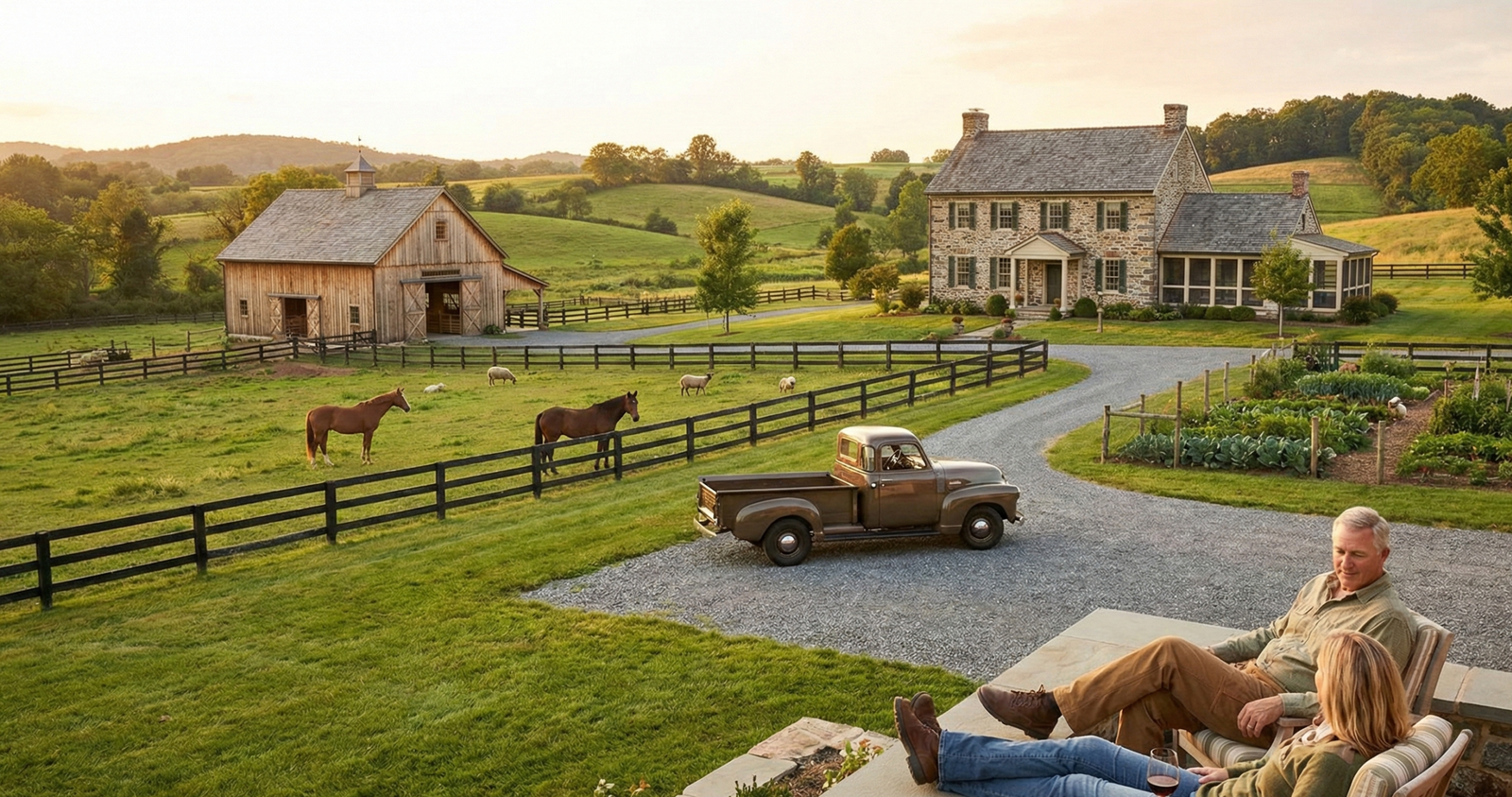
Gentleman farms represent a unique intersection of agricultural heritage and modern lifestyle investment, offering discerning individuals an opportunity to own productive land while maintaining elegant country living. These properties, historically associated with landed gentry, have evolved into sophisticated investment vehicles that combine pastoral aesthetics with practical financial considerations.
Understanding Gentleman Farms
A gentleman farm, traditionally defined as an agricultural property owned primarily for pleasure rather than profit, has transformed significantly in contemporary real estate markets. These estates typically range from ten to several hundred acres and feature a harmonious blend of working farmland, residential amenities, and recreational facilities. Unlike commercial agricultural operations, gentleman farms prioritize lifestyle quality while maintaining productive agricultural activities that may generate supplementary income.
The modern interpretation of gentleman farms encompasses properties that provide owners with rural tranquility, agricultural engagement, and potential tax advantages, all while preserving the land’s productive capacity. These investments appeal particularly to urban professionals seeking respite from metropolitan demands and entrepreneurs desiring a tangible connection to land stewardship.
Investment Advantages of Gentleman Farms
Financial Benefits
Gentleman farms offer numerous financial advantages that extend beyond traditional real estate investments. Property owners may qualify for agricultural tax exemptions, significantly reducing annual property tax obligations when the land maintains qualified agricultural use. These properties often appreciate steadily, particularly in regions experiencing suburban expansion or increased demand for rural retreats.
Additionally, gentleman farms provide diversification opportunities within investment portfolios. The tangible nature of agricultural land offers protection against market volatility while generating potential revenue through various agricultural activities, including:
- Organic farming operations and specialty crop cultivation
- Livestock raising, including cattle, sheep, or heritage breed animals
- Timber production and sustainable forestry management
- Equestrian facilities and boarding services
- Agricultural tourism and educational programs
- Renewable energy installations such as solar or wind farms
Lifestyle and Wellness Considerations
Beyond monetary returns, gentleman farms deliver substantial lifestyle dividends. These properties provide owners with enhanced privacy, expansive outdoor recreational opportunities, and the satisfaction of agricultural stewardship. The wellness benefits associated with rural living—including reduced stress, improved air quality, and opportunities for physical activity—represent intangible yet significant returns on investment.
Essential Features of Quality Gentleman Farms
Land Characteristics
Superior gentleman farm properties exhibit specific land characteristics that enhance both livability and agricultural productivity. Ideal properties feature diverse topography, combining open pastures with wooded areas, and possess reliable water sources such as streams, ponds, or wells. Soil quality remains paramount, as fertile land supports various agricultural endeavors while maintaining long-term property value.
Strategic location proves equally important, with the most desirable properties situated within reasonable proximity to urban centers—typically within one to two hours’ drive—while maintaining sufficient distance to ensure privacy and preserve rural character. Access to quality infrastructure, including paved roads, reliable utilities, and high-speed internet connectivity, significantly enhances property functionality and value.
Structural Improvements
Distinguished gentleman farms typically include well-maintained primary residences that reflect architectural quality and period charm. Historic farmhouses, renovated barns converted to living spaces, or custom-built estates that complement the rural setting all contribute to property appeal. Essential outbuildings might include:
- Equipment storage barns and agricultural workshops
- Livestock shelters and feeding facilities
- Guest cottages or caretaker residences
- Equestrian facilities, including stables and riding arenas
- Produce storage buildings and processing areas
Evaluating Gentleman Farm Investment Opportunities
Due Diligence Considerations
Prospective buyers must conduct comprehensive due diligence before acquiring gentleman farm properties. This process should encompass thorough examinations of property boundaries, easements, and access rights. Environmental assessments identify potential contamination issues, wetlands restrictions, or protected species habitats that may limit property use.
Water rights verification ensures adequate supply for agricultural and residential needs, while soil testing confirms land productivity and identifies any remediation requirements. Zoning regulations and agricultural district classifications warrant careful review, as these designations affect permissible uses and potential tax benefits.
Financial Analysis
Sound investment decisions require detailed financial modeling that accounts for acquisition costs, ongoing operational expenses, and potential revenue streams. Buyers should evaluate property taxes, insurance requirements, maintenance obligations, and agricultural input costs against realistic income projections from farming activities, lease arrangements, or conservation programs.
Financing options for gentleman farms differ from conventional residential mortgages, often requiring larger down payments and specialized agricultural lending products. Prospective owners should engage financial advisors familiar with agricultural real estate to structure optimal financing arrangements.
Management Strategies for Gentleman Farms
Operational Models
Successful gentleman farm ownership typically follows one of several operational models. Some owners actively manage all agricultural activities, personally engaging in farming operations as an avocation. Others employ farm managers or lease portions of the property to experienced agricultural operators, maintaining oversight while delegating day-to-day responsibilities.
Partnership arrangements with neighboring farmers, participation in conservation programs, or development of agritourism ventures represent alternative management approaches. Each model offers distinct advantages regarding time commitment, expertise requirements, and financial returns.
Sustainability Practices
Contemporary gentleman farms increasingly incorporate sustainable agricultural practices that enhance environmental stewardship while potentially increasing property value. Regenerative agriculture techniques, organic certification, wildlife habitat preservation, and water conservation measures demonstrate responsible land management while appealing to environmentally conscious buyers should future sale become desirable.
Market Trends and Future Outlook
The gentleman farm market has experienced robust growth as demographic shifts drive increased interest in rural properties. Remote work arrangements have expanded the pool of potential buyers no longer constrained by daily commuting requirements. Simultaneously, growing consumer interest in local food systems, sustainable agriculture, and authentic rural experiences has enhanced the viability of agricultural income streams associated with these properties.