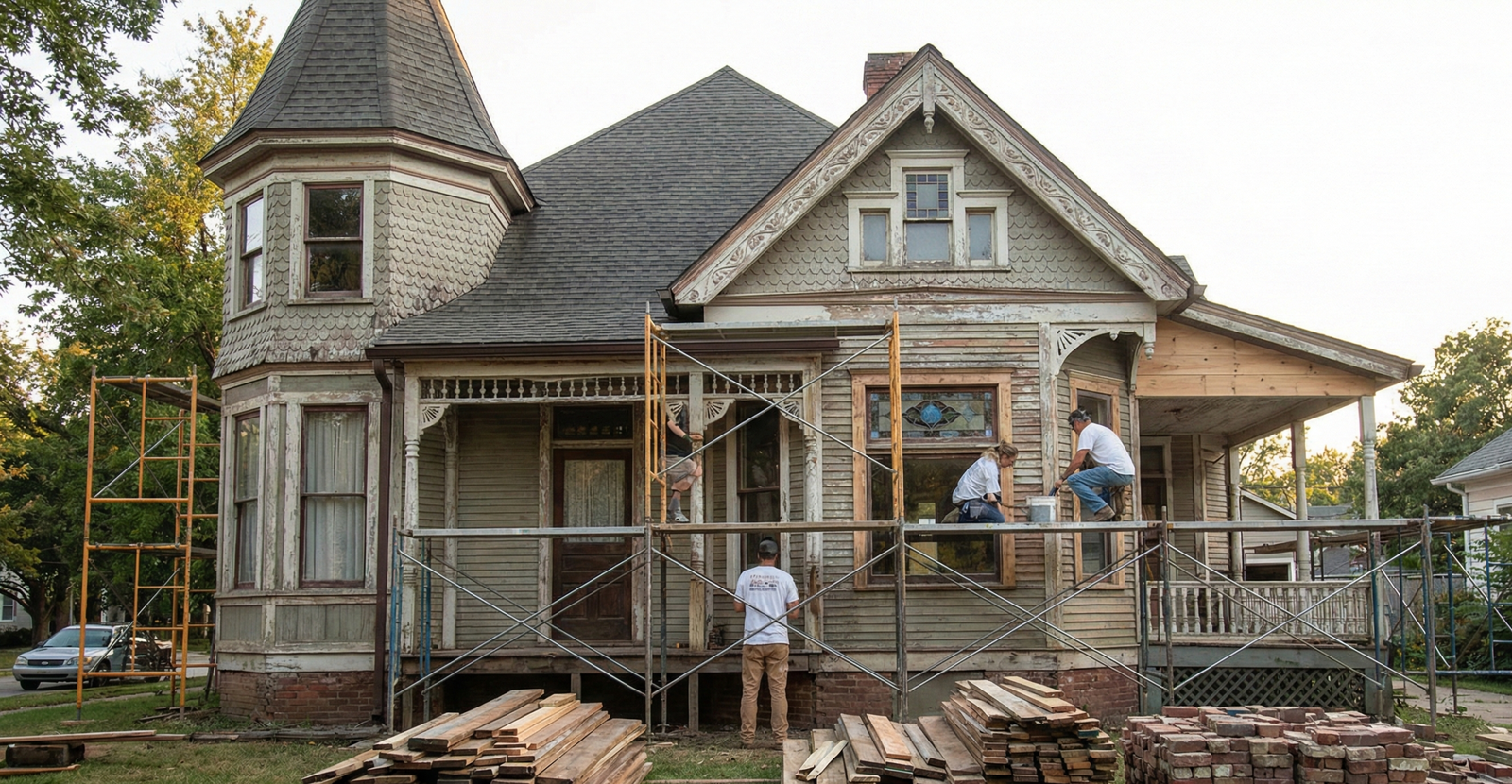
Renovating a historic home presents a unique opportunity to breathe new life into architectural treasures while maintaining their distinctive character and cultural significance. These timeless structures tell stories of bygone eras, showcasing craftsmanship and design elements that are increasingly rare in modern construction. The process requires a delicate balance between preservation and modernization, ensuring that the home remains functional for contemporary living whilst honouring its historical integrity.
Understanding the Value of Historic Properties
Historic homes represent more than mere structures; they embody the architectural heritage and cultural narrative of their communities. These properties often feature irreplaceable craftsmanship, including hand-carved woodwork, original plasterwork, vintage hardware, and materials that are no longer readily available. The preservation of such elements maintains a tangible connection to the past and contributes to the architectural diversity of neighbourhoods.
Furthermore, historic homes frequently demonstrate superior construction techniques and materials that have withstood the test of time. Solid wood framing, plaster walls, and quality masonry work often surpass modern building standards in terms of durability and longevity.
Initial Assessment and Planning
Before commencing any renovation work, a comprehensive assessment of the property is essential. This evaluation should encompass structural integrity, the condition of historic features, and identification of elements worthy of preservation.
Key Considerations During Assessment
- Consultation with preservation specialists and architectural historians
- Documentation of original features through photographs and detailed notes
- Evaluation of structural components, including foundations, roofing, and load-bearing walls
- Assessment of systems requiring modernization, such as electrical, plumbing, and heating
- Investigation of local preservation guidelines and regulations
- Analysis of materials and construction methods used in the original structure
Navigating Preservation Regulations
Many historic properties are subject to preservation ordinances and guidelines designed to protect their architectural significance. Property owners should familiarise themselves with local, regional, and national preservation requirements before undertaking renovation work.
Historic districts often maintain design review boards that assess proposed modifications to ensure compatibility with the property’s historic character. Securing appropriate approvals and permits before commencing work is crucial to avoid costly modifications or penalties. Additionally, compliance with preservation standards may qualify property owners for tax incentives, grants, or other financial benefits designed to encourage historic preservation.
Preserving Original Architectural Features
The hallmark of successful historic home renovation lies in the preservation and restoration of original architectural elements. These features define the character and authenticity of the property.
Elements Worthy of Preservation
Original Woodwork: Historic homes often showcase elaborate mouldings, wainscoting, built-in cabinetry, and hardwood flooring. These elements should be carefully restored rather than replaced whenever possible. Professional refinishing can revive wood surfaces whilst maintaining their historical patina.
Windows and Doors: Original windows and doors contribute significantly to a home’s character. Whilst modern replacements may offer improved energy efficiency, restored original windows with storm additions can achieve comparable performance whilst preserving historical authenticity.
Plasterwork and Decorative Elements: Ornamental plaster, ceiling medallions, and decorative cornices represent skilled craftsmanship. Specialist plasterers can repair damaged sections using traditional techniques and materials.
Exterior Features: Original siding, masonry, porches, and architectural details define a home’s curb appeal and historical significance. Gentle cleaning, repair, and maintenance preserve these elements for future generations.
Integrating Modern Amenities
Contemporary living requires certain modern conveniences that may not have existed when historic homes were constructed. The challenge lies in integrating these systems without compromising the property’s historical character.
Sympathetic Modernization Strategies
Climate Control Systems: Modern heating, ventilation, and air conditioning systems can be installed discreetly, utilizing existing cavities, closets, or inconspicuous locations. Radiant heating systems may be particularly suitable for historic properties, as they require minimal visible alterations.
Electrical and Technology Infrastructure: Updated electrical systems are essential for safety and functionality. Careful planning allows for the installation of modern wiring whilst preserving original surfaces and architectural details. Strategic placement of outlets and switches maintains period-appropriate aesthetics.
Kitchen and Bathroom Updates: These spaces typically require the most significant modernization. Thoughtful design can incorporate contemporary fixtures and appliances whilst respecting the home’s historical context through period-appropriate cabinetry, finishes, and layout considerations.
Material Selection and Sourcing
Authentic restoration often requires sourcing period-appropriate materials and elements. Architectural salvage yards, specialist suppliers, and craftspeople provide access to vintage materials and custom reproductions that match original specifications.
When replacement is necessary, selecting materials that closely replicate the appearance, texture, and performance characteristics of original components ensures visual and functional consistency. Documentation of original materials guides appropriate selection and helps maintain historical accuracy.
Working with Qualified Professionals
Historic home renovation demands expertise beyond typical construction projects. Assembling a team of qualified professionals experienced in preservation work is essential for successful outcomes.
Essential Team Members
- Preservation architects specializing in historic properties
- Contractors with demonstrated experience in restoration work
- Structural engineers familiar with historic construction methods
- Craftspeople skilled in traditional techniques, including plasterers, carpenters, and masons
- Conservation specialists for specific elements such as decorative painting or metalwork
Financial Considerations and Incentives
Historic home renovation typically requires greater financial investment than standard remodelling projects due to specialized labour, materials, and techniques. However, various financial incentives may offset these costs.
Federal, state, and local governments often provide tax credits for certified historic rehabilitation projects.