Across the Oregon Coast, towns are rethinking how they plan, build, and invest for the decades ahead. Facing rising sea levels, shifting economies, and changing population patterns, coastal communities are adopting strategies that prioritize resilience, sustainability, and long-term livability. From infrastructure upgrades to environmental restoration, these efforts reflect a coordinated response to shared challenges. Communities are also focusing on preserving local culture, supporting diverse industries, and engaging residents in decision-making. By combining science, planning, and community input, these towns aim to create coastal environments that are safe, thriving, and adaptable for current and future generations.
Planning for Climate and Sea-Level Rise
Climate change has become a central consideration in coastal planning. Communities are incorporating sea-level rise projections and flood risk assessments into zoning, development, and emergency management policies.
Key Approaches Include:
- Updating coastal hazard maps
- Restricting development in high-risk zones
- Elevating or relocating critical infrastructure
- Investing in natural buffers such as dunes and wetlands
These measures aim to reduce long-term exposure to climate-related risks.
Investing in Resilient Infrastructure
Aging infrastructure presents both a challenge and an opportunity for coastal towns. Roads, utilities, and public facilities are being redesigned to withstand increased storm intensity and flooding.
Current Investments Focus On:
- Stormwater management improvements
- Reinforced transportation corridors
- Modernized wastewater and water treatment systems
- Backup power and communication networks
Resilient infrastructure supports both public safety and economic continuity.
Protecting Natural Systems as Infrastructure
Many Oregon coastal towns are prioritizing nature-based solutions alongside traditional engineering. Wetlands, estuaries, and dune systems are increasingly recognized as essential protective assets.
These Strategies Include:
- Wetland restoration projects
- Dune stabilization and vegetation efforts
- Habitat conservation for flood mitigation
- Watershed-scale planning
Natural systems provide flexible, cost-effective protection.
Diversifying Local Economies
Economic resilience is a core component of future planning. Coastal communities are working to reduce dependence on seasonal tourism by supporting diverse industries.
Efforts Include:
- Expanding remote-work infrastructure
- Supporting fisheries and maritime trades
- Encouraging small-scale manufacturing and services
- Investing in education and workforce training
Diversification strengthens local stability during economic shifts.
Housing and Population Planning
Changing demographics, including aging populations and remote workers, are reshaping housing needs along the coast. Communities are updating land-use policies to accommodate growth while preserving character.
Key Initiatives Involved:
- Encouraging mixed-use development
- Expanding workforce and senior housing options
- Managing short-term rental impacts
- Preserving affordable housing stock
Balanced housing policies support long-term community health.
Community Engagement and Collaboration
Public participation plays a critical role in shaping plans. Coastal towns are increasing outreach to residents, tribes, businesses, and regional partners.
Collaboration Includes:
- Public workshops and planning forums
- Tribal consultation and co-management
- Inter-city and county coordination
- State and federal funding partnerships
Inclusive planning improves outcomes and public trust.
Preparing for Emergencies and Natural Hazards
Earthquake and tsunami preparedness remains a priority along the Oregon Coast. Towns are enhancing early-warning systems and evacuation infrastructure.
Preparation Efforts Include:
- Updated evacuation routes and signage
- Vertical evacuation structures in some communities
- Public education campaigns
- Integrated emergency response planning
These measures address high-impact, low-frequency risks.
Conclusion
Coastal Oregon towns are confronting the future with a pragmatic mix of planning, investment, and conservation. By integrating climate science, economic diversification, and community input, these communities are positioning themselves to adapt rather than react. Their efforts illustrate how proactive planning can help coastal regions remain safe, livable, and economically viable in an increasingly uncertain environment.
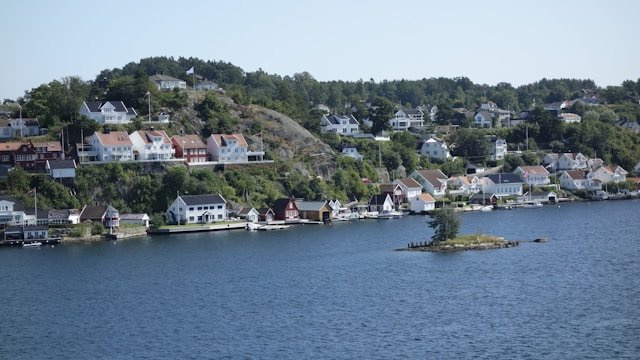
Photo by Gunnar Ridderström on Unsplash