In an era dominated by digital communication and online commerce, the enduring relevance of post offices in small-town America represents a fascinating study in community infrastructure and social cohesion. While metropolitan areas have witnessed a gradual shift toward digital alternatives, rural communities continue to demonstrate that the local post office remains an indispensable cornerstone of daily life.
The Enduring Role of Post Offices in Rural Communities
Post offices serve as more than mere distribution centers for mail and packages in small towns across America. These establishments function as vital community hubs where residents gather, exchange information, and maintain the social fabric that defines rural life. The significance of these institutions extends far beyond their primary function of mail delivery, encompassing social, economic, and civic dimensions that urban dwellers might find difficult to comprehend.
For many residents of Main Street America, the post office represents one of the few remaining public spaces where face-to-face interactions occur regularly. This human element proves particularly crucial for elderly residents and those who live in isolated areas, providing essential social contact and a sense of belonging to the broader community.
Economic Implications and Business Operations
The economic impact of post offices on small-town economies cannot be overstated. Local businesses depend heavily on postal services for their operations, from receiving inventory to shipping products to customers nationwide. Small entrepreneurs and home-based businesses particularly rely on affordable postal rates and accessible shipping options that would otherwise require significant travel to urban centers.
Key Economic Contributions Include:
- Providing employment opportunities in areas with limited job markets
- Facilitating e-commerce operations for rural businesses
- Supporting agricultural communities through package and mail delivery
- Enabling prescription medication delivery for remote populations
- Maintaining property values through accessible services
Digital Divide and Service Accessibility
The persistent digital divide between urban and rural areas further amplifies the importance of physical post offices. While city residents enjoy widespread access to high-speed internet and numerous shipping alternatives, many rural communities struggle with unreliable connectivity and limited courier options. In these circumstances, the local post office becomes the primary gateway to commerce and communication with the outside world.
Financial services represent another critical aspect of post office functionality in underserved communities. Many rural residents lack convenient access to traditional banking institutions, making postal money orders, bill payment services, and package insurance essential financial tools for everyday transactions.
Community Identity and Cultural Significance
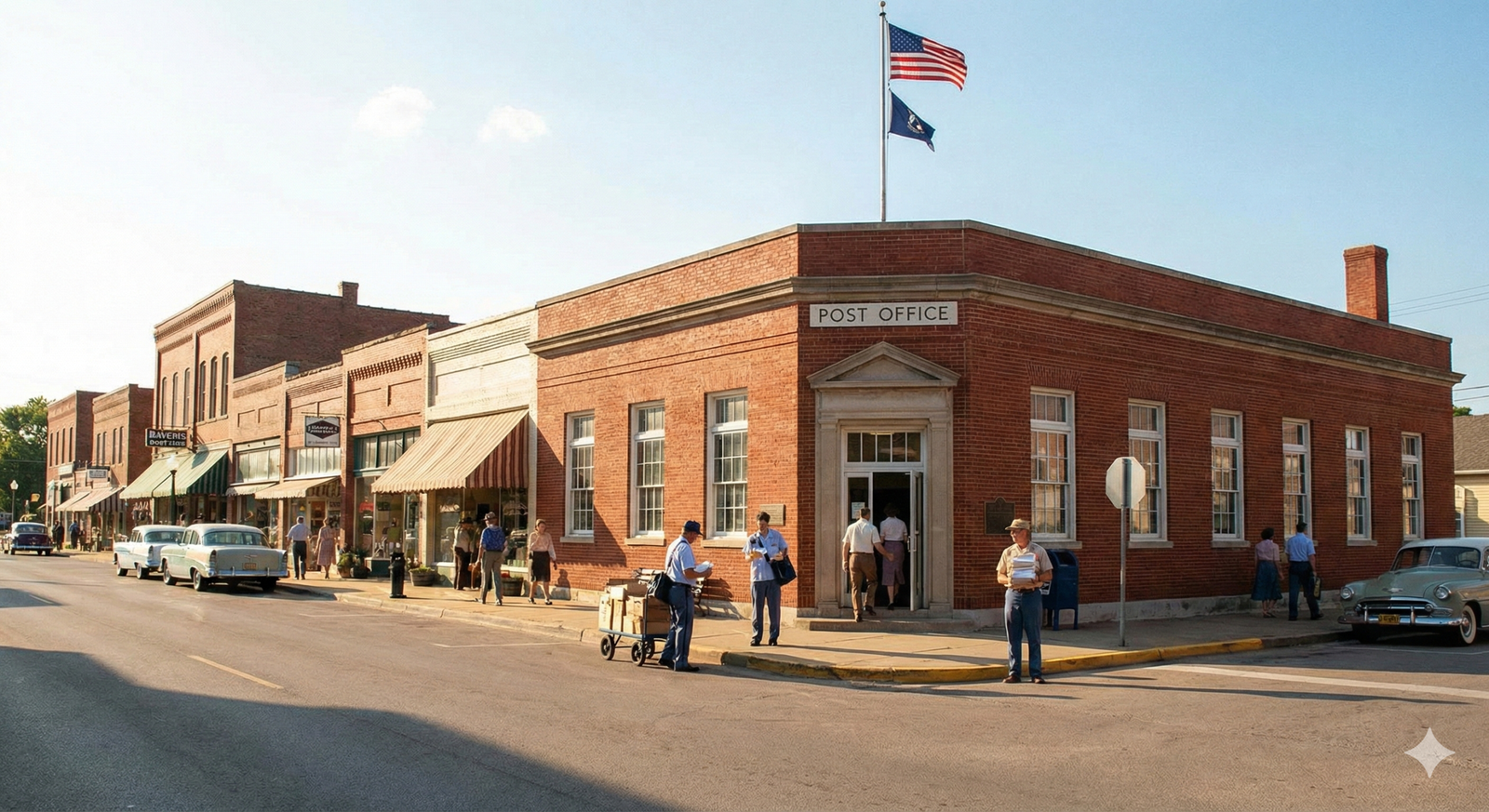
Post offices contribute significantly to the cultural identity of small towns, often occupying historic buildings that reflect architectural heritage and community pride. These structures frequently serve as landmarks and gathering points, embodying generations of shared history and collective memory. The potential closure of a local post office often triggers passionate community responses, highlighting the deep emotional and cultural connections residents maintain with these institutions.
Challenges Facing Rural Post Office Operations
Despite their continued relevance, rural post offices face numerous challenges in the contemporary landscape. Declining mail volumes, budgetary constraints, and operational efficiency pressures have led to service reductions and facility consolidations in many areas. These challenges create tension between cost-saving measures and the preservation of essential community services.
Primary Challenges Include:
- Decreased traditional mail volume due to digital communication
- Budget limitations affecting staffing and operating hours
- Aging infrastructure requiring significant maintenance investments
- Transportation and logistics costs in sparsely populated areas
- Competition from private courier services in profitable segments
Adaptation and Innovation in Service Delivery
Forward-thinking post offices have begun exploring innovative approaches to maintain relevance and financial sustainability. Some facilities have expanded their service offerings to include notary services, passport processing, and retail operations. Others have partnered with local businesses to create shared spaces that maximize utility and foot traffic while reducing operational costs.
Technology integration presents opportunities for rural post offices to enhance efficiency without sacrificing personal service. Self-service kiosks, expanded tracking capabilities, and improved package lockers enable facilities to serve customers beyond traditional operating hours while maintaining the human interaction that rural communities value.
Policy Considerations and Future Outlook
The future of rural post offices depends significantly on policy decisions at federal and state levels. Policymakers must balance fiscal responsibility with recognition of the unique role these institutions play in maintaining viable rural communities. Universal service obligations that have historically governed postal operations require careful reevaluation in light of changing communication patterns and demographic shifts.
Investment in rural postal infrastructure represents an investment in community resilience and economic development. As discussions continue regarding the optimization of postal services, stakeholders must consider the broader implications of service reductions on community vitality, economic opportunity, and social equity.
The Irreplaceable Human Element
Ultimately, the continued significance of post offices in small-town America reflects fundamental human needs for connection, accessibility, and community identity. While technology has transformed many aspects of modern life, it cannot fully replicate the tangible benefits of a local institution where postal workers know customers by name and understand the unique needs of their community.
As society navigates the balance between digital innovation and traditional services, rural post offices stand as a testament to the enduring value of place-based institutions. Their persistence demonstrates that efficiency metrics and digital alternatives, while valuable, cannot entirely replace the multifaceted role that physical community spaces play in sustaining the social and economic fabric of Main Street America.
The conversation surrounding rural post offices extends beyond logistics and mail delivery to encompass broader questions about the type of society we wish to maintain and the commitments we make to all citizens, regardless of geographic location. In this context, supporting viable postal operations in small communities represents a commitment to equitable access, community preservation, and the recognition that some institutions possess value that transcends simple cost-benefit analyses.