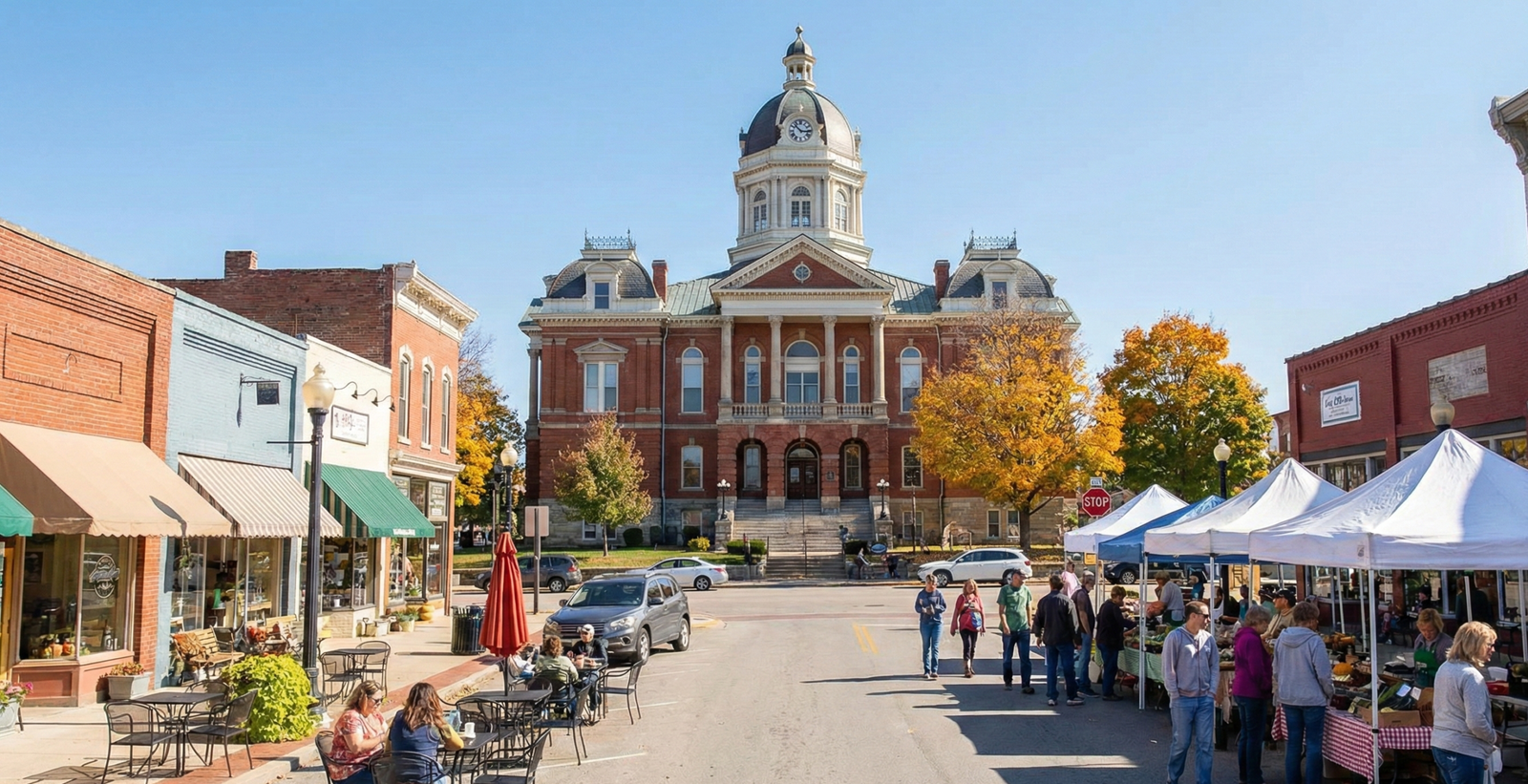
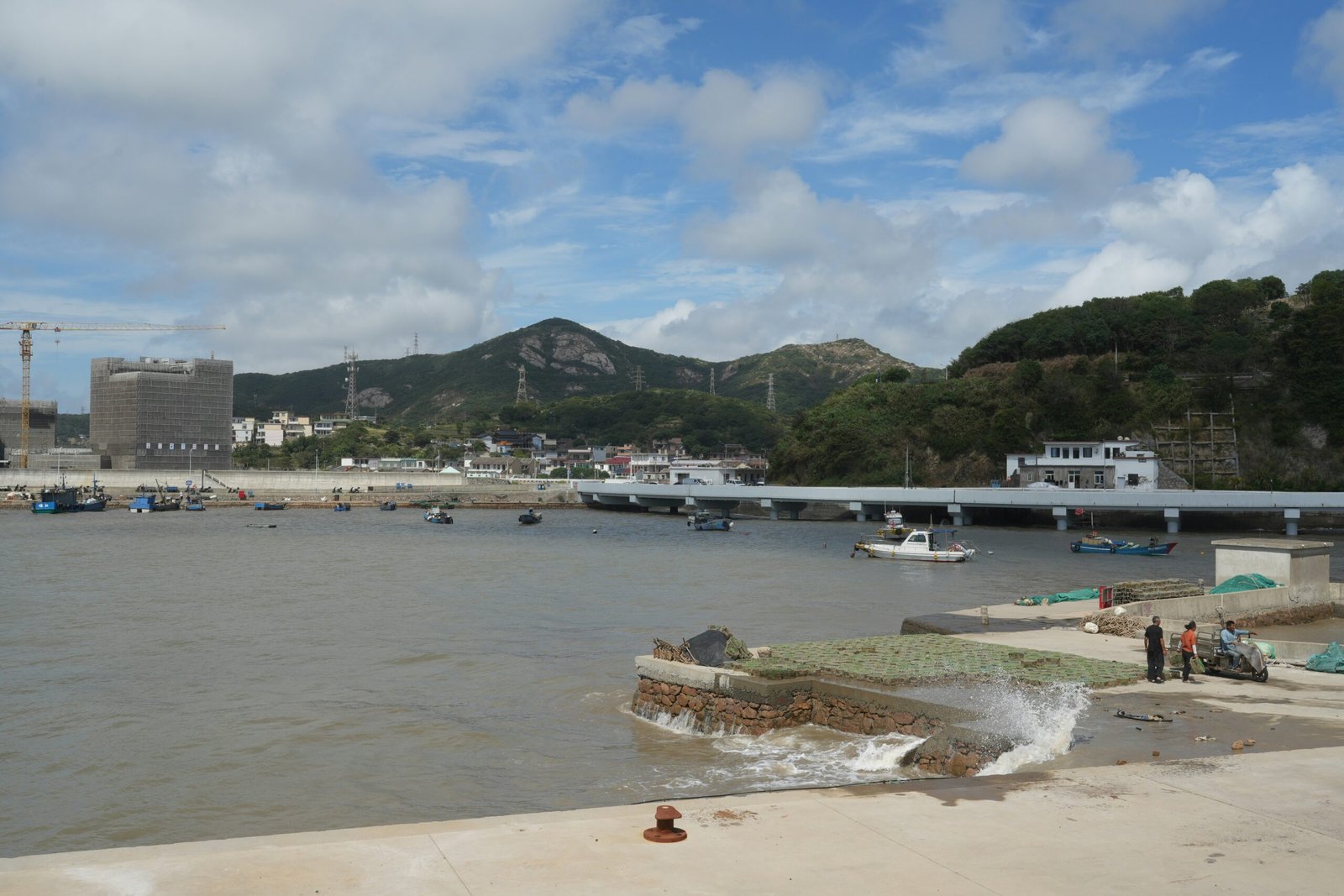
State-level political changes can seem far removed from everyday life, but decisions made in state legislatures have a direct impact on communities. Policies shaped at the state level influence infrastructure investment, education funding, coastal economies, and environmental management. For a community like Warrenton, Oregon, connections to broader Oregon Senate races demonstrate how local leadership and regional priorities are represented within statewide governance. Issues that matter locally, such as resource protection, economic development, and public services, often gain visibility through these larger political contests.
Understanding this relationship helps residents recognize that their community’s needs and perspectives can extend beyond city boundaries into state policy discussions. By staying informed about state elections and legislative decisions, residents are better equipped to see how local concerns translate into broader action, strengthening civic awareness and encouraging meaningful participation in the democratic process.
How State Politics Connect to Coastal Communities
Oregon’s coastal towns operate within a unique economic and environmental landscape. Issues such as fisheries management, small business development, public school funding, transportation infrastructure, and environmental protection are often debated at the state level, with outcomes that directly influence coastal regions.
State senators representing districts that include or neighbor communities like Warrenton may engage with topics such as
- Marine resource policy and coastal industry regulations
- Rural and coastal education funding
- Infrastructure investments, including transportation and water systems
- Disaster preparedness and climate resilience for shoreline communities
These issues illustrate how local realities shape legislative priorities.
The Role of Local Leadership in State Conversations
Local officials, community leaders, and civic organizations often serve as bridges between residents and state policymakers. Through public meetings, advisory boards, and regional partnerships, local voices help inform state-level decision-making.
This connection is essential in smaller communities, where
- Economic conditions may differ from urban centers
- Infrastructure needs can be more resource-intensive
- Environmental considerations are closely tied to livelihoods
When state representatives understand these dynamics, policy outcomes are more likely to reflect regional diversity across Oregon.
Political Shifts and Community Impact
Changes in state legislative leadership or policy direction can influence funding allocations, regulatory approaches, and long-term planning priorities. For Warrenton and similar communities, this can affect areas such as
- School district budgets and program support
- Grants for local infrastructure projects
- Business regulations impacting coastal industries
- Environmental standards that balance conservation and economic activity
While state politics operate at a broader scale, their effects are often most visible at the local level.
Civic Engagement at the Community Level
Local engagement is one of the most effective ways for residents to stay connected to state political developments. Activities such as town halls, school board meetings, and regional forums create spaces where community members can discuss how statewide policies affect local services, economies, and daily life.
These conversations help translate broad political decisions into practical, local realities. Active civic participation also ensures that smaller communities continue to have a voice in wider policy discussions. By staying involved, residents encourage accountability, strengthen democratic processes, and help local leadership remain responsive to community priorities, concerns, and long-term needs.
A Shared Responsibility
The relationship between communities like Warrenton and Oregon Senate races highlights an important truth: governance is interconnected. Local experiences and priorities help shape state agendas, while state-level decisions directly influence local infrastructure, economic opportunities, and environmental policies. What happens in the legislature often determines how communities grow, adapt, and respond to change.
For residents who want to understand how political shifts affect everyday life, exploring the links between community leadership and state policymaking offers valuable insight. This perspective emphasizes the importance of staying informed, engaged, and involved in civic processes that shape both local well-being and long-term regional resilience.