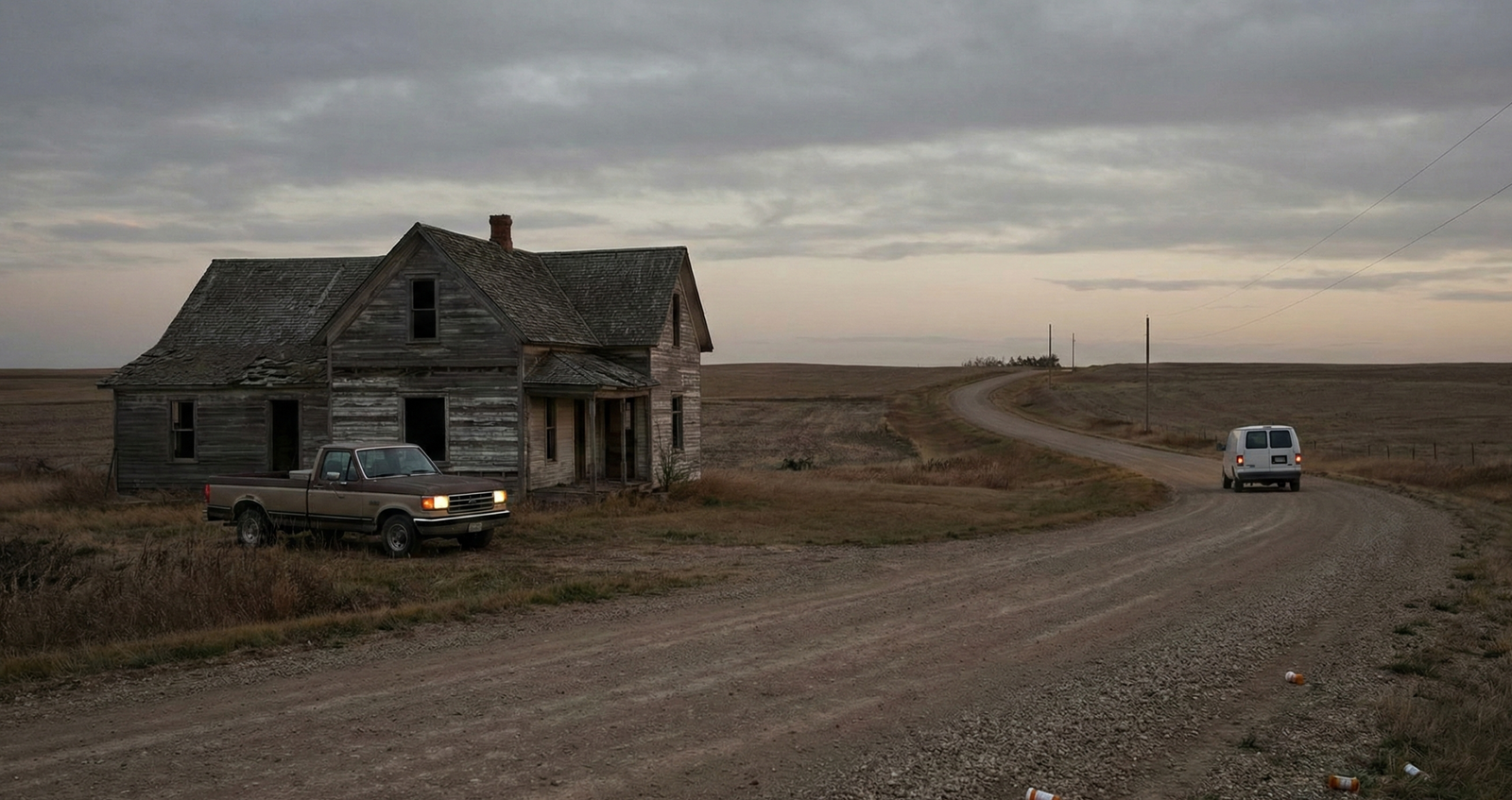
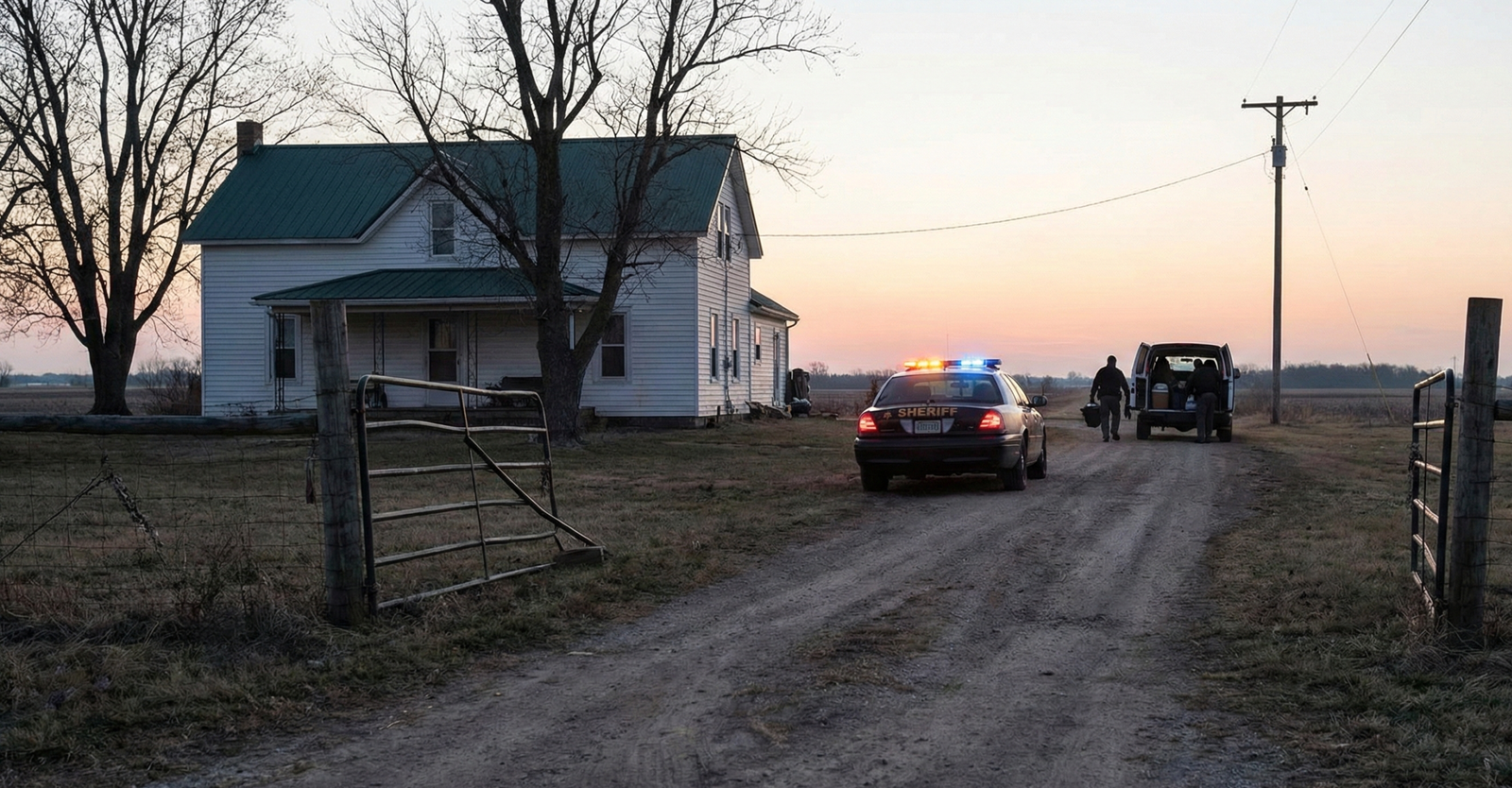
Agricultural communities across the nation are experiencing an alarming increase in property crime as organized theft rings from urban areas increasingly target rural farms and ranches. This disturbing trend has left many farmers and rural property owners vulnerable to significant financial losses and operational disruptions.
The Growing Problem of Rural Theft
Law enforcement agencies have documented a substantial rise in rural property crimes over recent years, with thieves traveling considerable distances from metropolitan centers to exploit the isolated nature of agricultural operations. The remote locations of farms, combined with limited security infrastructure and delayed emergency response times, create ideal conditions for criminal activity.
Farm equipment, livestock, fuel, and agricultural chemicals have become prime targets for these sophisticated theft operations. The high resale value of modern farming machinery, which can cost hundreds of thousands of dollars, makes it particularly attractive to organized crime networks.
Most Commonly Targeted Items
Rural criminals have developed specific preferences for items that offer both high value and relatively easy resale opportunities:
- Heavy machinery and tractors: Modern agricultural equipment represents significant investments and can be quickly resold through online marketplaces or transported across state lines
- Livestock: Cattle, horses, and other animals are frequently stolen and sold at auction houses or to unsuspecting buyers
- Fuel and chemicals: Diesel fuel, fertilizers, and pesticides are valuable commodities that can be easily transported and sold
- Tools and implements: Smaller equipment items that can be loaded quickly and moved without specialized transport
- Metals and copper: Wiring, irrigation systems, and scrap metal continue to attract thieves due to commodity prices
The Economic Impact on Agricultural Operations
The financial consequences of rural property crime extend far beyond the immediate value of stolen items. Farmers often face substantial indirect costs, including insurance premium increases, lost productivity during critical planting or harvesting seasons, and investments in security measures. For many family-owned operations working on narrow profit margins, a single significant theft can threaten the viability of their entire business.
Agricultural associations estimate that rural property crime costs the farming industry millions of dollars annually, with many incidents going unreported due to inadequate insurance coverage or the belief that recovery is unlikely.
Challenges in Rural Law Enforcement
Police departments and sheriff’s offices serving rural areas face unique obstacles in combating this crime wave. Limited personnel must patrol vast geographic territories, making rapid response to theft reports difficult. Additionally, the time lag between when crimes occur and when they are discovered often allows perpetrators to escape across jurisdictional boundaries.
The sophisticated nature of modern theft operations presents further complications. Criminals conduct reconnaissance missions, use technology to disable security systems, and operate with detailed knowledge of farm operations and equipment values.
Protective Measures for Rural Property Owners
Agricultural security experts recommend a multi-layered approach to protecting rural property:
Physical Security Enhancements
- Install motion-activated lighting around buildings and equipment storage areas
- Secure fuel tanks with locks and consider installing level monitors
- Use heavy-duty locks and chains on gates and equipment
- Create barriers such as berms or locked fencing around valuable assets
- Park equipment in visible locations or inside secured buildings when possible
Technology Solutions
Modern technology offers increasingly affordable options for rural security. GPS tracking devices can be installed on valuable equipment, allowing real-time location monitoring. Security cameras with cellular connectivity enable remote surveillance without requiring extensive wiring. Some farmers have implemented drone technology for periodic property surveys.
Community-Based Prevention
Rural communities have found strength in collective vigilance. Neighborhood watch programs adapted for agricultural areas encourage residents to report suspicious vehicles or unfamiliar individuals. Social media groups facilitate rapid communication about potential threats and suspicious activity patterns.
Documentation and Identification
Maintaining comprehensive records of equipment and property proves invaluable for both prevention and recovery efforts. Farmers should photograph all valuable items, record serial numbers, and maintain detailed inventories. Marking equipment with unique identifiers using engraving tools or paint makes resale more difficult and aids in recovery.
The Role of Agricultural Organizations
Farm bureaus, cooperative extensions, and agricultural associations have mobilized resources to address rural crime. These organizations provide education about security best practices, lobby for increased rural law enforcement funding, and maintain databases of stolen equipment. Some have established reward programs to incentivize information leading to arrests and recovery of stolen property.
Legislative and Policy Responses
Recognizing the severity of rural property crime, various jurisdictions have introduced enhanced penalties for agricultural theft. Some states have created specialized task forces dedicated to investigating farm-related crimes and established agricultural crime units within state law enforcement agencies.
Legislation requiring documentation for equipment sales and enhanced verification procedures at auction houses aims to make it more difficult for criminals to dispose of stolen property through legitimate channels.
Building Partnerships with Law Enforcement
Effective rural crime prevention requires collaboration between farmers and peace officers. Property owners should establish relationships with local law enforcement, participate in crime prevention programs, and promptly report all suspicious activity. Providing officers with property maps, equipment lists, and contact information facilitates more effective responses to incidents.
Looking Forward
As rural property crime continues evolving, the agricultural community must remain vigilant and adaptive. The combination of improved security measures, technological solutions, community cooperation, and enhanced law enforcement capabilities offers the best hope for reversing this troubling trend. While the challenge is significant, coordinated efforts across all stakeholder groups can help protect the assets and livelihoods of those who feed our nation.
Farmers and rural property owners must recognize that security investments represent not merely an expense, but an essential component of modern agricultural operations. By taking proactive measures and working collaboratively, rural communities can make their properties less attractive targets and increase the likelihood of apprehending those who threaten their way of life.