The demographic landscape of rural America is experiencing a remarkable transformation as increasing numbers of urban professionals and families relocate to smaller communities, breathing new life into areas that have long struggled with population decline. This phenomenon, accelerated by recent shifts in workplace flexibility and lifestyle priorities, represents a significant reversal of decades-long rural-to-urban migration patterns.
The Driving Forces Behind Rural Migration
Several interconnected factors have contributed to this growing trend of urban-to-rural relocation. The widespread adoption of remote work arrangements has fundamentally altered the calculus for many professionals, eliminating the necessity of proximity to urban employment centers. Additionally, the rising cost of living in metropolitan areas, coupled with the desire for more spacious housing and access to natural environments, has made rural communities increasingly attractive alternatives.
The COVID-19 pandemic served as a catalyst for this movement, prompting many individuals to reassess their priorities regarding work-life balance, community connection, and quality of life. The ability to maintain urban-level salaries while enjoying rural cost structures has created unprecedented opportunities for economic mobility and lifestyle enhancement.
Economic Revitalization and Local Impact
The influx of urban transplants has generated substantial economic benefits for receiving communities. These new residents often bring financial resources, entrepreneurial energy, and professional expertise that can invigorate local economies. Small businesses, from coffee shops to co-working spaces, have emerged to serve this new demographic, creating employment opportunities and diversifying local economic bases.
Key Economic Contributions Include:
- Increased property values and tax revenues supporting local services and infrastructure improvements
- Establishment of new businesses catering to both newcomers and long-time residents
- Attraction of additional investment and development opportunities
- Expansion of the customer base for existing local enterprises
- Introduction of new industries and professional services previously unavailable in rural areas
Infrastructure and Community Development
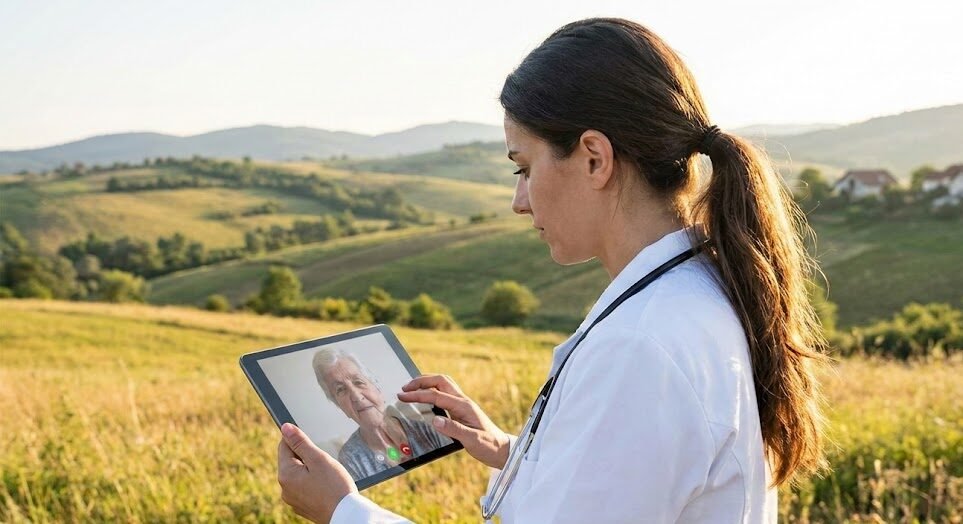
Rural communities welcoming urban migrants have recognized the necessity of infrastructure improvements to accommodate their new residents. Broadband internet access has emerged as a critical priority, with many localities investing heavily in expanding high-speed connectivity. This digital infrastructure not only supports remote workers but also benefits existing residents, educational institutions, and local businesses.
Healthcare facilities, educational institutions, and cultural amenities have also seen renewed investment and utilization. The increased population base has helped sustain services that might otherwise have faced closure, while simultaneously creating demand for enhanced offerings that benefit the entire community.
Cultural Integration and Community Dynamics
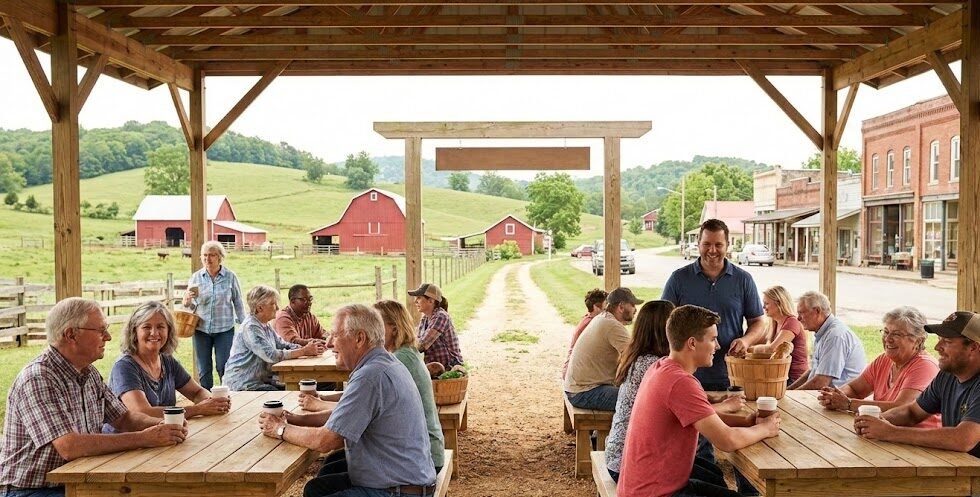
The blending of urban and rural cultures presents both opportunities and challenges. Successful integration requires mutual respect, open communication, and willingness to embrace change while preserving valued traditions. Many communities have found that newcomers bring fresh perspectives and skills that complement existing strengths, creating a more resilient and dynamic social fabric.
Strategies for Successful Integration:
- Establishment of welcome committees and orientation programs for new residents
- Creation of forums for dialogue between long-time residents and newcomers
- Support for community events that celebrate both traditional heritage and new diversity
- Collaborative planning processes that incorporate diverse viewpoints
- Mentorship programs connecting established residents with newcomers
Challenges and Considerations
Despite the numerous benefits, this rural revival presents legitimate concerns that require thoughtful attention. Housing affordability has emerged as a significant issue in some communities, as increased demand drives up property values, potentially pricing out long-time residents and essential workers. Local governments must balance growth with affordability through careful planning and policy development.
The potential for gentrification and the displacement of existing residents represents a serious ethical consideration. Communities must implement strategies to ensure that economic revitalization benefits all residents, not just newcomers. This includes preserving affordable housing options, protecting against property tax increases that burden fixed-income residents, and maintaining the character and values that define each unique community.
Environmental Sustainability and Land Use
The environmental implications of rural population growth require careful management. Increased development pressure must be balanced against the preservation of agricultural lands, natural habitats, and the scenic beauty that attracts many newcomers in the first place. Sustainable development practices, conservation easements, and thoughtful zoning regulations can help communities grow while protecting their environmental assets.
Many urban transplants bring heightened environmental awareness and advocacy for sustainable practices, potentially contributing to enhanced conservation efforts and green initiatives in their adopted communities. This environmental consciousness, when combined with traditional rural land stewardship values, can create powerful synergies for environmental protection.
The Role of Local Government and Planning
Municipal and county governments play a crucial role in shaping the outcomes of rural revival. Proactive planning, inclusive decision-making processes, and strategic investments in infrastructure and services can help communities maximize benefits while mitigating challenges. Comprehensive planning that addresses housing, transportation, environmental protection, and economic development provides a framework for sustainable growth.
Regional cooperation among neighboring communities can enhance collective capacity to address common challenges and leverage shared opportunities. By coordinating efforts and sharing resources, rural regions can create more robust support systems for both newcomers and existing residents.
Looking Forward: Sustainable Rural Renaissance
The ongoing rural revival represents a significant opportunity to reverse decades of rural decline and create vibrant, economically diverse communities. Success will depend on the ability of communities to welcome change while preserving their essential character, to grow economically while maintaining affordability, and to blend cultures while respecting traditions.
As this trend continues to evolve, rural communities that approach growth thoughtfully and inclusively stand to benefit most substantially. By fostering environments where both newcomers and long-time residents feel valued and invested in collective success, these communities can build a sustainable foundation for long-term prosperity and vitality.
The rural revival phenomenon extends beyond mere demographic shifts; it represents a reimagining of American community life, demonstrating that small towns and rural areas can offer compelling alternatives to urban living while contributing meaningfully to national economic and social vitality. As more individuals and families discover the possibilities inherent in rural life, the future of these communities appears increasingly promising, provided that growth is managed wisely and equitably.