The healthcare landscape has undergone a dramatic transformation in recent years, with telehealth emerging as a critical solution to address healthcare disparities in underserved areas. As rural communities continue to face significant challenges in accessing quality medical care, telehealth expansion has created unprecedented career opportunities for healthcare professionals committed to making a meaningful difference in these populations.
The Growing Demand for Telehealth Services in Rural Areas
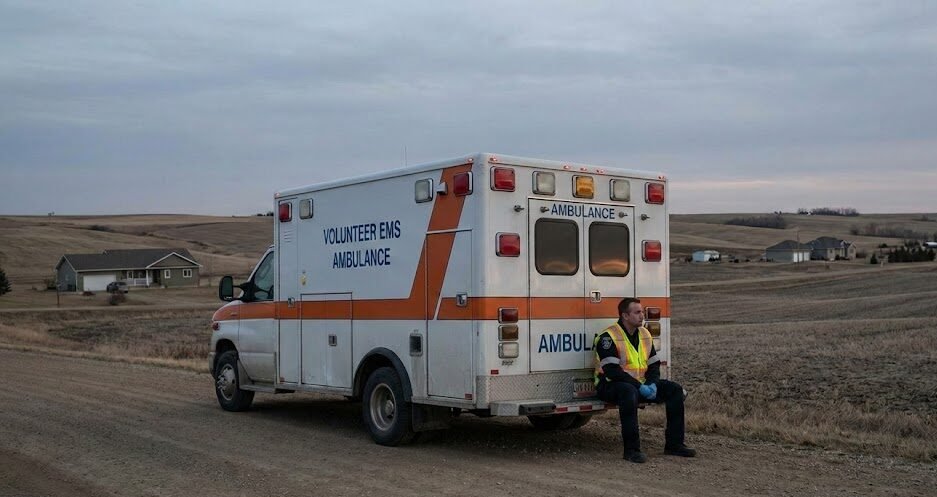
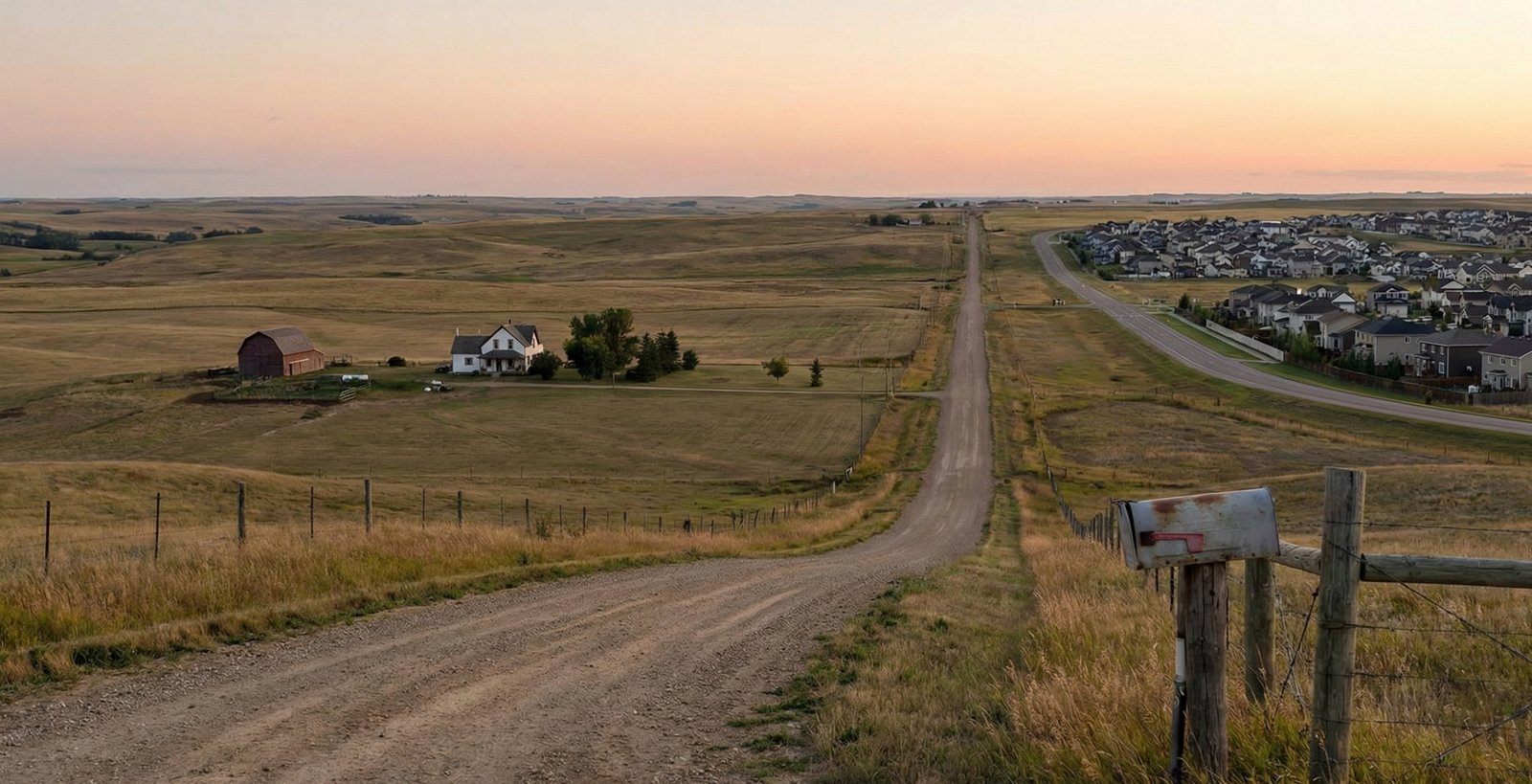
Rural communities across the nation experience unique healthcare challenges that urban centers rarely encounter. Geographic isolation, limited healthcare infrastructure, and workforce shortages have historically created substantial barriers to medical access. Telehealth technology has emerged as a transformative solution, bridging the gap between patients in remote locations and specialized medical expertise.
The increasing adoption of telehealth services has resulted in a significant demand for healthcare professionals who understand both the technological aspects of remote care delivery and the unique needs of rural populations. This convergence has created a burgeoning field of career opportunities that combine clinical expertise with digital innovation.
Diverse Career Pathways in Rural Telehealth
Telemedicine Physicians and Specialists
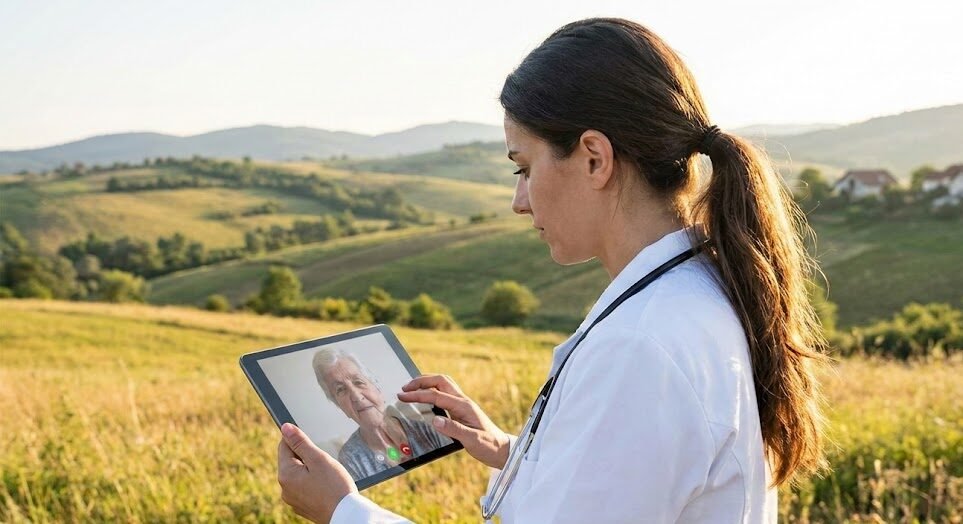
Physicians specializing in telemedicine play a pivotal role in extending specialist care to rural communities. These professionals conduct virtual consultations, diagnose conditions remotely, and develop comprehensive treatment plans without requiring patients to travel extensive distances. Specialties particularly suited for telehealth include psychiatry, dermatology, endocrinology, and primary care.
Telehealth Nurses and Nurse Practitioners
Advanced practice nurses have become instrumental in rural telehealth programs. These professionals provide primary care services, chronic disease management, and preventive care through virtual platforms. Their ability to establish rapport with patients remotely while maintaining high standards of care makes them invaluable assets to rural healthcare systems.
Remote Patient Monitoring Specialists
As chronic disease management increasingly relies on continuous monitoring, specialists in remote patient monitoring have become essential. These professionals analyze data from wearable devices and home monitoring equipment, ensuring timely interventions and preventing hospital readmissions among rural patients with conditions such as diabetes, heart disease, and respiratory disorders.
Telehealth Program Coordinators
Behind every successful telehealth initiative stands skilled program coordinators who manage the logistics, technology integration, and patient scheduling. These professionals ensure seamless operations, coordinate between healthcare providers and patients, and continuously evaluate program effectiveness to optimize service delivery.
Essential Skills and Qualifications
Professionals pursuing careers in rural telehealth must possess a unique combination of clinical competence and technological proficiency. Beyond traditional healthcare credentials, success in this field requires several key competencies:
- Digital literacy: Familiarity with telehealth platforms, electronic health records, and communication technologies is fundamental to effective remote care delivery.
- Cultural competence: Understanding the specific cultural, economic, and social contexts of rural communities enables providers to deliver more appropriate and effective care.
- Communication excellence: The ability to establish trust and rapport through virtual mediums requires enhanced verbal and written communication skills.
- Adaptability: Rural telehealth often demands creative problem-solving and flexibility in addressing unique challenges posed by limited resources and infrastructure.
- Technical troubleshooting: Basic technical support skills help providers navigate connectivity issues and platform difficulties that may arise during virtual appointments.
Educational Pathways and Certifications
Numerous educational institutions now offer specialized training programs and certifications in telehealth. These programs equip healthcare professionals with the knowledge and skills necessary to excel in remote care environments. Many organizations offer certificates in telemedicine, digital health, and rural health management that complement existing clinical credentials.
Professional organizations such as the American Telemedicine Association provide resources, continuing education, and networking opportunities for those interested in advancing their telehealth careers. These certifications demonstrate commitment to excellence in remote care delivery and enhance career prospects in this rapidly expanding field.
The Impact on Rural Community Health Outcomes
Healthcare professionals working in rural telehealth witness firsthand the transformative impact of their services. Patients who previously traveled hours for specialist consultations can now access care from their homes or local clinics. This increased accessibility leads to earlier diagnoses, improved medication adherence, and better management of chronic conditions.
Mental health services have particularly benefited from telehealth expansion. Rural communities, which have historically faced severe shortages of mental health providers, now enjoy unprecedented access to psychiatrists, psychologists, and counselors through virtual platforms. This accessibility has proven crucial in addressing the mental health crisis affecting many rural areas.
Overcoming Challenges in Rural Telehealth
Despite its promise, rural telehealth faces several obstacles that professionals in this field must navigate. Internet connectivity remains inconsistent in many rural areas, requiring creative solutions such as asynchronous communication methods or partnerships with local facilities equipped with reliable broadband. Healthcare providers must develop strategies to ensure quality care delivery even with technological limitations.
Regulatory complexities, including licensure requirements across state lines and reimbursement policies, continue to evolve. Professionals entering this field must stay informed about changing regulations and advocate for policies that support expanded telehealth access in rural communities.
Future Outlook and Career Growth
The trajectory for telehealth careers serving rural communities appears exceptionally promising. Healthcare systems increasingly recognize telehealth as a permanent component of care delivery rather than a temporary solution. This shift ensures sustained investment in telehealth infrastructure and continued demand for qualified professionals.
Emerging technologies such as artificial intelligence, advanced diagnostics, and 5G connectivity will further enhance telehealth capabilities, creating new specializations and career opportunities. Healthcare professionals who position themselves at the intersection of clinical care and technological innovation will find abundant opportunities for professional growth and advancement.
Making a Meaningful Difference
Careers in rural telehealth offer more than professional advancement; they provide the opportunity to address fundamental healthcare inequities and improve lives in underserved communities. Healthcare professionals in this field become healthcare access champions, ensuring that geographic location no longer determines the quality of medical care individuals receive.