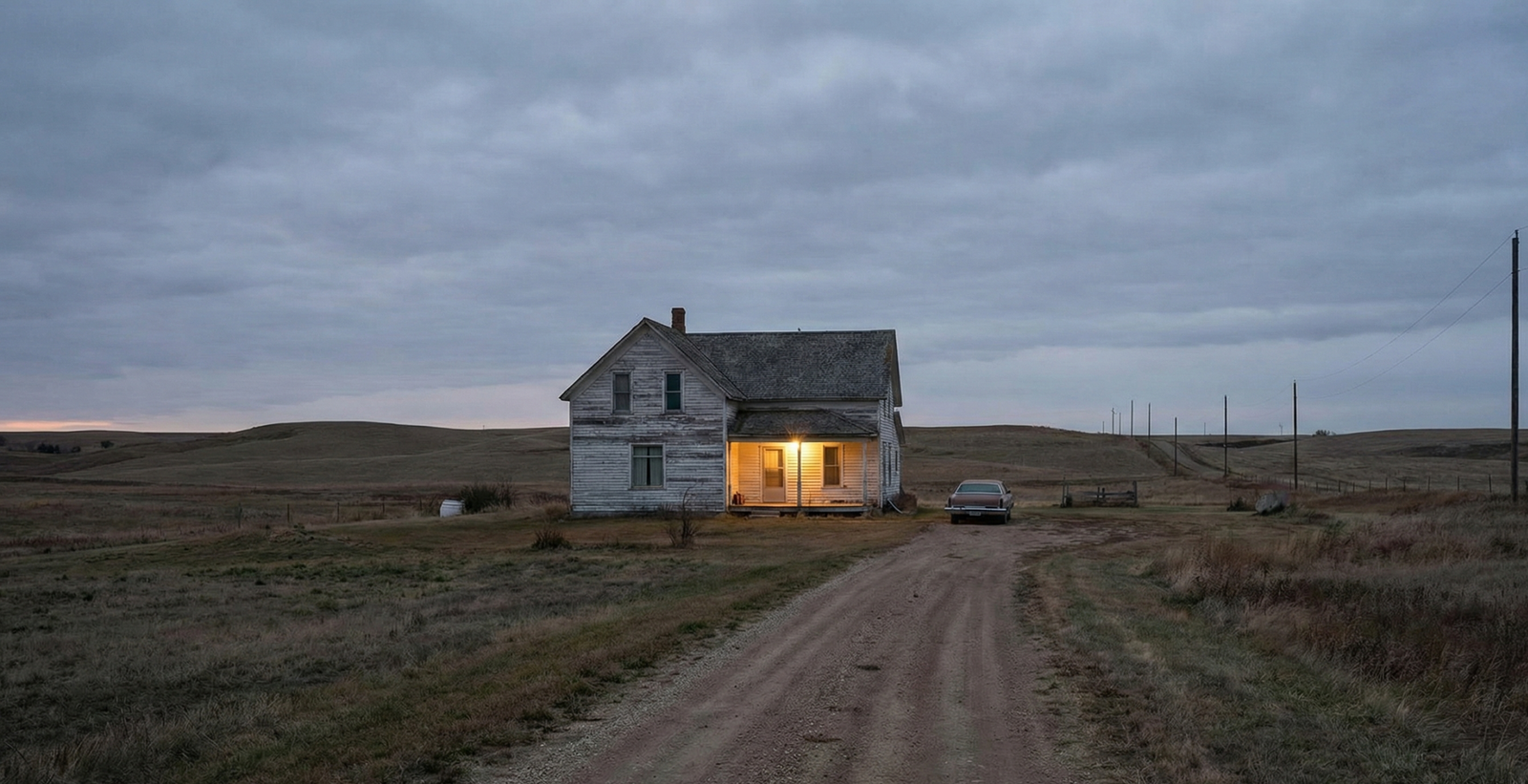

In the rolling Piedmont landscape of Virginia, where the Blue Ridge Mountains meet fertile farmland, Warrenton stands as a testament to how historic preservation and economic development can intertwine to create sustainable prosperity. The Civil War Trails that wind through this region, marking the paths of John S. Mosby’s Rangers and Civil War troop movements, once drew interest mainly from history enthusiasts. Today, these trails attract visitors and drive tourism across Fauquier County. They support local businesses and create jobs. At the same time, they help preserve the county’s rural character and historic identity.
The Mosby Legacy: Warrenton’s Civil War Tourism Foundation
This deep connection to Mosby creates a unique value proposition for Civil War Trails tourism in Warrenton. While battlefields like Gettysburg or Antietam offer single-day visits, Warrenton provides a more intimate experience. Civil War history here is not limited to marked sites. It is woven into the town’s architecture and cultural memory. The Old Jail Museum, operated by the Fauquier Historical Society, features rotating exhibits. These displays place Mosby’s operations within the broader story of civilian life during the occupation. This living-history approach turns casual visitors into engaged heritage tourists. They stay longer, spend more, and build stronger connections with the community.
Economic Impact: The Numbers Behind the Trails
The economic case for Civil War Trails and heritage tourism in Warrenton rests on compelling data that demonstrates the outsized value of history-minded visitors. According to the Virginia Tourism Corporation, heritage tourists spent an average of $959 per trip in 2023, compared to $575 for other tourists; a difference of nearly 67%. These visitors stay longer, too, averaging five days compared to 4.1 days for other travel categories. In Virginia alone, heritage tourism generates an estimated $7.7 billion annually and supports 105,000 jobs across the Commonwealth.
The Civil War Trails system specifically channels these high-value visitors into local economies. Research by the American Battlefield Trust indicates that every tourist dollar spent in Virginia generates five dollars of economic activity through multiplier effects. For Warrenton, this means that a couple spending $200 on lodging, meals, and souvenirs during a Mosby heritage weekend ultimately contributes $1,000 to the broader Fauquier County economy through indirect and induced effects.
From Trails to Commerce: How Heritage Tourism Supports Local Business
The Civil War Trails infrastructure in Warrenton supports a wide range of local businesses. Its impact extends beyond obvious beneficiaries like hotels and restaurants. Because the trails connect directly with Old Town Warrenton’s commercial district, heritage tourists move easily from history to shopping and dining. After visiting the Old Jail Museum or walking Mosby’s routes, visitors naturally stop at local spots like The Black Bear Bistro, Molly’s Irish Pub, and Denim and Pearls. This steady foot traffic helps sustain brick-and-mortar businesses. It preserves the distinctive character of Warrenton and helps prevent the homogenization seen in many small towns.
The economic geography of Civil War Trails tourism extends beyond immediate retail. Visitors following Mosby’s routes through Fauquier County’s 10,000 acres of preserved battlefields and countless skirmish sites inevitably encounter the region’s other economic pillars: wineries, equestrian facilities, and agritourism operations. The Fauquier Wine Trail, with nearly 70 wineries within an hour’s drive of Warrenton, benefits from heritage tourism spillover, as history-minded visitors seek authentic local experiences beyond the battlefield. This synergy between Civil War Trails and other tourism sectors creates a diversified economy less vulnerable to seasonal fluctuations or changing visitor preferences.
Preservation As Economic Strategy: The Virginia Piedmont Model
Warrenton’s approach to Civil War Trails and Mosby heritage tourism operates within the broader Virginia Piedmont Heritage Area framework, a regional strategy that treats historic preservation as economic development. This model recognizes that conserved landscapes and authentic historic structures constitute irreplaceable economic assets that attract visitors seeking genuine experiences unavailable in developed areas.
The data supporting this approach is substantial. The Journey Through Hallowed Ground National Heritage Area, which overlaps with the Virginia Piedmont Heritage Area and includes Fauquier County, annually generates $703 million in economic impact, supports 8,401 jobs, and brings in $51.1 million in tax revenue. These figures demonstrate that Civil War Trails and heritage preservation aren’t costs to be minimized but investments with measurable returns.
The Future of Heritage Tourism in Warrenton
The Civil War Trails network in Warrenton faces both opportunities and challenges as it evolves. Demographic shifts in heritage tourism suggest a growing, younger audience: Virginia data indicate the mean age of historic travelers is now 48, with only 22% retired, and Civil War Trails reports sending map guides to “the youngest and most diverse audience ever.” This evolution requires Warrenton to balance authentic preservation with contemporary visitor expectations, ensuring that Mosby heritage sites remain accessible and engaging without compromising historical integrity.
The economic stakes remain high. As Northern Virginia faces growing development pressure, Warrenton’s Civil War Trails stand out as an irreplaceable advantage. Fauquier County’s 10,000 acres of preserved battlefield land, twelve officially recognized battlefields, and numerous skirmish sites form a resource that cannot be recreated. When managed carefully, this non-renewable heritage asset can deliver lasting economic benefits for generations.
Conclusion: History As Infrastructure
In Warrenton, the Civil War Trails have transcended their original educational purpose to become genuine economic infrastructure: physical and organizational systems that enable commerce, support employment, and generate tax revenue. The Mosby heritage that draws visitors to this town isn’t merely a historical curiosity but a sustainable economic resource that anchors Fauquier County’s tourism economy.
For local businesses, property owners, and government officials, the lesson is clear: preservation pays. The Civil War Trails that mark Mosby’s raids, that note the 67 changes of occupation, that guide visitors through preserved landscapes, deliver measurable economic benefits that justify continued investment in heritage tourism infrastructure. In an era of economic uncertainty, Warrenton’s Civil War heritage offers something increasingly rare: a proven, sustainable economic development strategy rooted in authentic place-based identity.
Photo by Ross Sneddon on Unsplash