
When immigration enforcement activity occurs in a community, the effects often extend beyond those directly involved. In towns like Warrenton, Oregon, such events can prompt broader conversations about safety, communication, and the role of local institutions in supporting residents during times of uncertainty. In the aftermath of enforcement actions, community response frequently centers on information-sharing, reassurance, and maintaining trust among neighbors. Local organizations and leaders often step in to provide guidance, resources, and spaces for open dialogue. These efforts help reduce fear, strengthen community bonds, and ensure residents feel informed and supported.
The Immediate Community Response
Following enforcement activity, residents often seek clarity about what happened and how it may affect local families, workplaces, and schools. Community leaders, educators, and service organizations typically play an important role in helping address concerns by:
- Providing accurate, verified information
- Offering guidance on available community resources
- Encouraging respectful dialogue
- Reinforcing local commitments to safety and well-being
Clear communication helps reduce confusion and prevent misinformation from spreading.
The Role of Schools and Community Institutions
Schools, faith groups, and local nonprofits often serve as trusted spaces during periods of heightened concern. Their role is not to shape immigration policy but to ensure that families have access to support systems and that daily routines, especially for children, remain as stable as possible.
Common approaches may include:
- Counseling and student support services
- Information sessions for families
- Collaboration with local service providers
- Emphasis on maintaining safe, inclusive environments
These efforts reflect a broader commitment to community care, regardless of residents’ backgrounds.
Balancing Public Safety and Community Trust
Situations involving enforcement can raise questions about how public safety responsibilities intersect with community relationships. Local conversations often focus on maintaining trust between residents and local institutions, ensuring that people continue to feel comfortable accessing services such as schools, healthcare, and emergency assistance. Open dialogue between community members and local leadership can help clarify roles and responsibilities while reinforcing shared values of respect and cooperation. Community forums, outreach programs, and informational sessions can further support transparency and understanding. These efforts help reduce uncertainty, address concerns, and create a more inclusive environment. In the long run, consistent communication plays a key role in strengthening confidence in local systems.
A Time for Listening
In smaller communities, personal connections run deep. When events create uncertainty, opportunities for conversation, whether through community forums, local organizations, or informal gatherings, allow residents to listen to one another’s perspectives.
These conversations can:
- Strengthen understanding across different backgrounds
- Identify practical ways to support affected families
- Reinforce the importance of civility and mutual respect
Looking Forward
While immigration enforcement is a federal matter, its local impact highlights the importance of strong community networks. Warrenton’s response illustrates how towns can focus on communication, stability, and support during challenging moments. Ultimately, community resilience is built not only through policy but through the everyday actions of neighbors, educators, and local leaders working to ensure that all residents feel informed, supported, and connected. Continued collaboration between local institutions and residents can further strengthen trust and preparedness. Over time, these collective efforts contribute to a more informed, united, and resilient community.
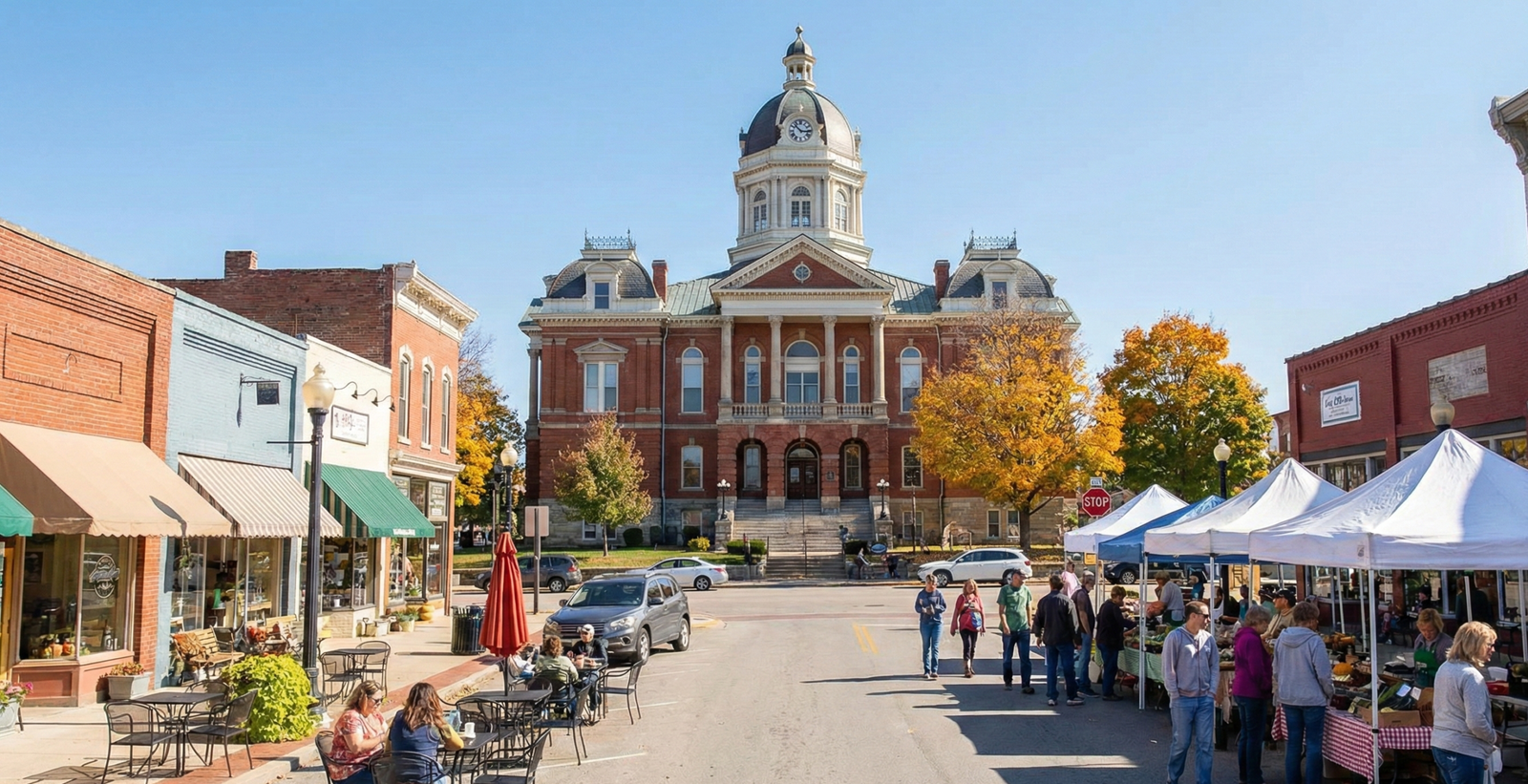
Photo by Airam Dato-on on Unsplash