In the quiet hills of Warrenton Cemetery, a 30-foot granite monument stands watch over the remains of 600 unknown Confederate soldiers, their identities lost to history when Union troops burned their wooden grave markers for firewood during the winter of 1863. Erected in 1873 by the Fauquier Memorial Association, this memorial, topped by the statue locals call “Lady Virginia”, has witnessed 150 years of American history, from Reconstruction to the Civil Rights Movement, from the 2011 earthquake that shifted her on her pedestal to the nationwide reckoning over Confederate symbols that continues today. As Virginia communities grapple with the 2020 law change allowing local removal of such monuments, Warrenton Cemetery finds itself at the intersection of heritage and controversy, preservation and progress.
The History Behind the Warrenton Cemetery Confederate Memorial
The Warrenton Cemetery monument’s origins lie in the immediate aftermath of the Civil War, when Fauquier County, like much of Virginia, struggled to process the devastation of the conflict. The cemetery itself began as a family burial ground in the early 19th century, before the town purchased the land in 1828 for $62.50. By the time the war reached Virginia, Warrenton had become strategically significant; its location near the junction of major roads made it a hospital center for wounded Confederates evacuated after the First and Second Battles of Manassas.
The Warrenton Cemetery Confederate memorial specifically honors the approximately 600 soldiers who died in these hospitals and were buried in unmarked graves. Originally, wooden markers identified the bodies, but when Union soldiers occupied Warrenton during the winter of 1863, they used these markers for firewood, a pragmatic act of survival that inadvertently erased individual identities. In 1877, the Ladies Memorial Association of Fauquier disinterred the remains from their scattered graves and reburied them in a central location within Warrenton Cemetery, erecting the granite monument that stands today.
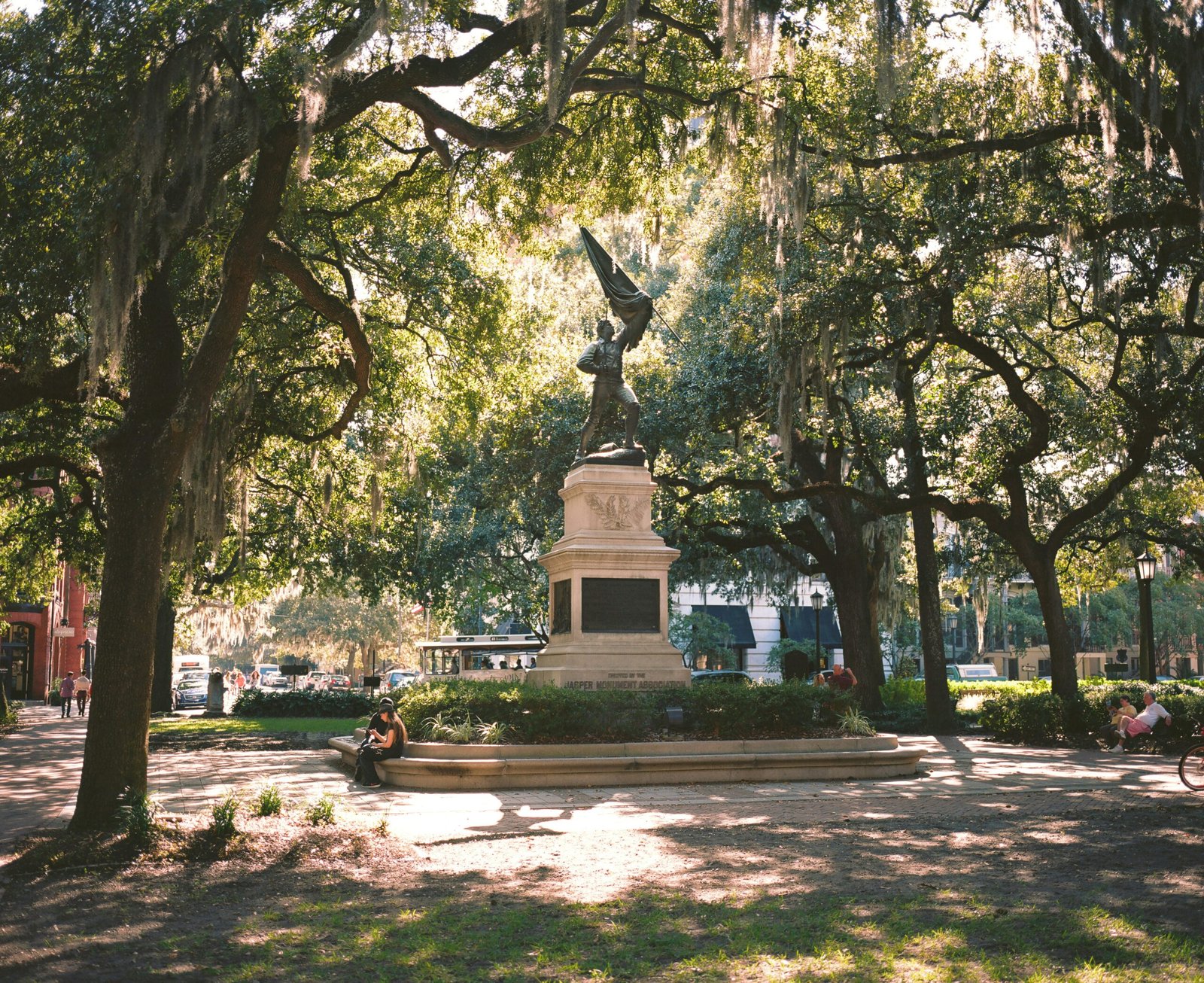
The 4.5-foot bronze statue atop the monument, later nicknamed “Lady Virginia” by local Sons of Confederate Veterans members, has become an iconic presence in Warrenton Cemetery. She has not stood unchanged; she toppled in the early 1950s without serious damage, and the 2011 earthquake shifted her approximately three inches on her pedestal, requiring a crane and epoxy restoration in 2013. These physical vulnerabilities mirror the monument’s contested cultural position: seemingly solid, yet subject to forces that threaten its stability.
Notable Burials and the Complexity of Civil War Memory
Warrenton Cemetery contains far more than the Confederate unknowns. The cemetery’s 18 acres hold over 8,000 burials, including some of the most complex figures of the Civil War era. Colonel John Singleton Mosby, the “Gray Ghost,” whose ranger battalion conducted guerrilla operations throughout Loudoun and Fauquier counties, rests here alongside his wife and predeceased children. Mosby’s grave remains actively visited, marked by a tradition of leaving pennies on his headstone, funds collected for engraving additional names on the memorial wall as research identifies more of the unknown soldiers.
The Warrenton Cemetery also holds Captain John Quincy Marr, the first Confederate officer killed in the war, who died at Fairfax Court House on June 1, 1861. Two of Fauquier County’s four Confederate generals are interred here: William Fitzhugh Payne, commander of the famed Black Horse Troop, and Lunsford Lindsay Lomax, a cavalry commander at Gettysburg who later served as commissioner of Gettysburg National Military Park. The cemetery’s African American burial section, added in 1875, contains the grave of Pendleton Ball, an enslaved teamster and physician’s servant who applied for a Confederate pension, a reminder that the war’s legacy includes complicated stories of loyalty and survival that resist simple categorization.
The 1988 memorial wall at Warrenton Cemetery, listing 520 names recovered from National Archives medical records by researcher Robert E. Smith, represents an effort to restore individual identity to the anonymous dead. This wall, dedicated by the Black Horse Chapter of the United Daughters of the Confederacy, demonstrates how commemoration at Warrenton Cemetery has evolved over time, incorporating new historical research while maintaining traditional forms of remembrance.
The Contemporary Debate: Warrenton Cemetery in Context
The Warrenton Cemetery monument exists within a dramatically changed legal and cultural landscape. In 2020, Virginia’s Democratic-controlled General Assembly repealed the 1997 law that had prevented local governments from removing Confederate monuments. The following year, the Virginia Supreme Court affirmed that cities could remove such statues, clearing the way for Charlottesville to take down its Robert E. Lee and Stonewall Jackson monuments, and for Richmond to remove the statues that had lined Monument Avenue.
Yet Warrenton Cemetery presents distinct considerations that differentiate it from the statues removed from public parks and boulevards. The monument stands in a cemetery, a space explicitly dedicated to burial and remembrance rather than civic life. It marks actual graves, however unknown the individual identities, rather than celebrating a cause or leader. These distinctions matter in the debate over Confederate symbols, suggesting that Warrenton Cemetery may represent a different category of memorial than the statues that have generated the most controversy.
The Warrenton Cemetery monument also serves as a tourist attraction and educational site, with Virginia Civil War Trails markers guiding visitors through the grounds. Lory Payne, the Fauquier cemetery historian who spearheaded the 2013 restoration, noted that “if we lose her, we lose history… It’s an important part of Warrenton’s tourism.” This practical consideration intersects with philosophical questions about whether such monuments educate or glorify, whether they preserve history or perpetuate harmful myths.
Preserving Legacy Amidst Change
The future of the Warrenton Cemetery Confederate memorial remains uncertain in an era of rapid change. The monument’s physical condition requires ongoing attention; the 2013 restoration addressed immediate earthquake damage, but bronze and granite require perpetual maintenance. More profoundly, the monument’s cultural meaning continues to evolve as new generations encounter it with different historical understandings.
What distinguishes Warrenton Cemetery from other contested sites is the community’s sustained engagement with its complexity. The annual Remembrance Day ceremonies, the research into identifying unknown soldiers, and the integration of the site into broader Civil War education all suggest an effort to contextualize rather than simply venerate. The cemetery contains multitudes: Union and Confederate, enslaved and free, known and unknown, all part of the American story that Warrenton Cemetery has preserved for nearly two centuries.
Conclusion
As Warrenton and Fauquier County navigate the broader national reckoning with Confederate legacy, Warrenton Cemetery stands as a testament to the difficulty of disentangling history from memory. The 600 unknown soldiers beneath Lady Virginia’s gaze represent not a cause, but individuals caught in forces beyond their control, much like the community that now must decide how to remember them. Whether through preservation, reinterpretation, or eventual removal, the choices made about this Warrenton Cemetery monument will reflect not just historical judgment, but contemporary values and future aspirations.
Photo by Benjamin Disinger on Unsplash