Tucked quietly along Oregon’s northwestern edge, Warrenton is often overshadowed by its better-known coastal neighbors. Yet this small coastal town holds a unique place in American history: it sits near the true western terminus of the Oregon Trail, where land journeys met the Pacific Ocean, and pioneers transitioned from survival to settlement. Today, Warrenton represents a lesser-told chapter of westward expansion, one defined not by dramatic landmarks but by resilience, maritime heritage, and quiet continuity. Its coastal setting shaped a community that depended on fishing, trade, and maritime skills to sustain daily life long after the overland journeys ended. Over time, this blend of frontier legacy and ocean-based industry created a town whose identity is rooted in work, adaptation, and a strong connection to the surrounding landscape.
A Gateway Where the Trail Met the Sea
For thousands of pioneers, reaching Oregon did not end at the Willamette Valley. Many continued north and west, navigating rivers and rugged terrain until they reached the Columbia River and the Pacific coast.
Warrenton emerged as a natural extension of this journey:
- A coastal access point near the Columbia River
- A place where settlers transitioned from overland travel to maritime life
- A logistical hub supporting fishing, shipping, and coastal trade
While towns like Astoria gained prominence, Warrenton served as a working endpoint, functional, strategic, and essential.
Roots in Maritime and Military History
Warrenton’s development was shaped as much by the sea as by the trail. Fishing, shipbuilding, and coastal defense defined its early economy, anchoring the town’s identity in maritime labor rather than tourism.
Key historical influences include:
- Proximity to Fort Stevens, a critical coastal defense site
- Commercial fishing and cannery operations along the coast
- Maritime infrastructure supporting river and ocean traffic
These industries created a town built on utility and endurance rather than spectacle.
A Community Defined by Function, Not Fame
Unlike many coastal destinations, Warrenton never leaned into grandeur or resort culture. Its growth remained practical, serving workers, families, and industries tied to the water.
This grounded identity fostered:
- A strong working-class heritage
- Long-standing ties between residents and coastal industries
- A sense of continuity across generations
Warrenton’s story is not one of reinvention, but of steady adaptation.
Cultural Significance Beyond the Spotlight
The town’s understated role has contributed to its historical invisibility. Yet Warrenton reflects a broader truth about westward expansion: not all endpoints were celebrated, and not all communities sought recognition.
Its legacy lies in:
- Supporting settlement logistics beyond the trail’s famous stops
- Sustaining coastal economies long after pioneer migration ended
- Preserving everyday histories often absent from textbooks
In many ways, Warrenton represents the silent backbone of westward settlement.
Modern Warrenton: A Living Continuation
Today, Warrenton remains closely tied to maritime activity, nearby ports, and coastal ecosystems. While growth has brought change, the town continues to reflect its origins, practical, connected to the water, and quietly resilient.
Rather than reinventing itself, Warrenton carries its history forward through:
- Continued coastal industry and service roles
- Preservation of local heritage sites
- A community identity rooted in place rather than promotion
Why Warrenton Matters
Warrenton’s significance lies not in grand monuments but in its role as a working endpoint, a place where journeys concluded, and everyday life began. As conversations around heritage and history broaden, towns like Warrenton offer a fuller, more honest picture of America’s westward expansion. Here, settlement meant building homes, establishing trade, and adapting to the rhythms of a coastal environment rather than simply marking a destination on a map. Its story reflects the quieter realities of frontier life, cooperation, labor, and long-term community building. It is not the end of the Oregon Trail that history most often remembers, but it represents a vital chapter in how exploration turned into lasting settlement, and it deserves to be recognized as such.
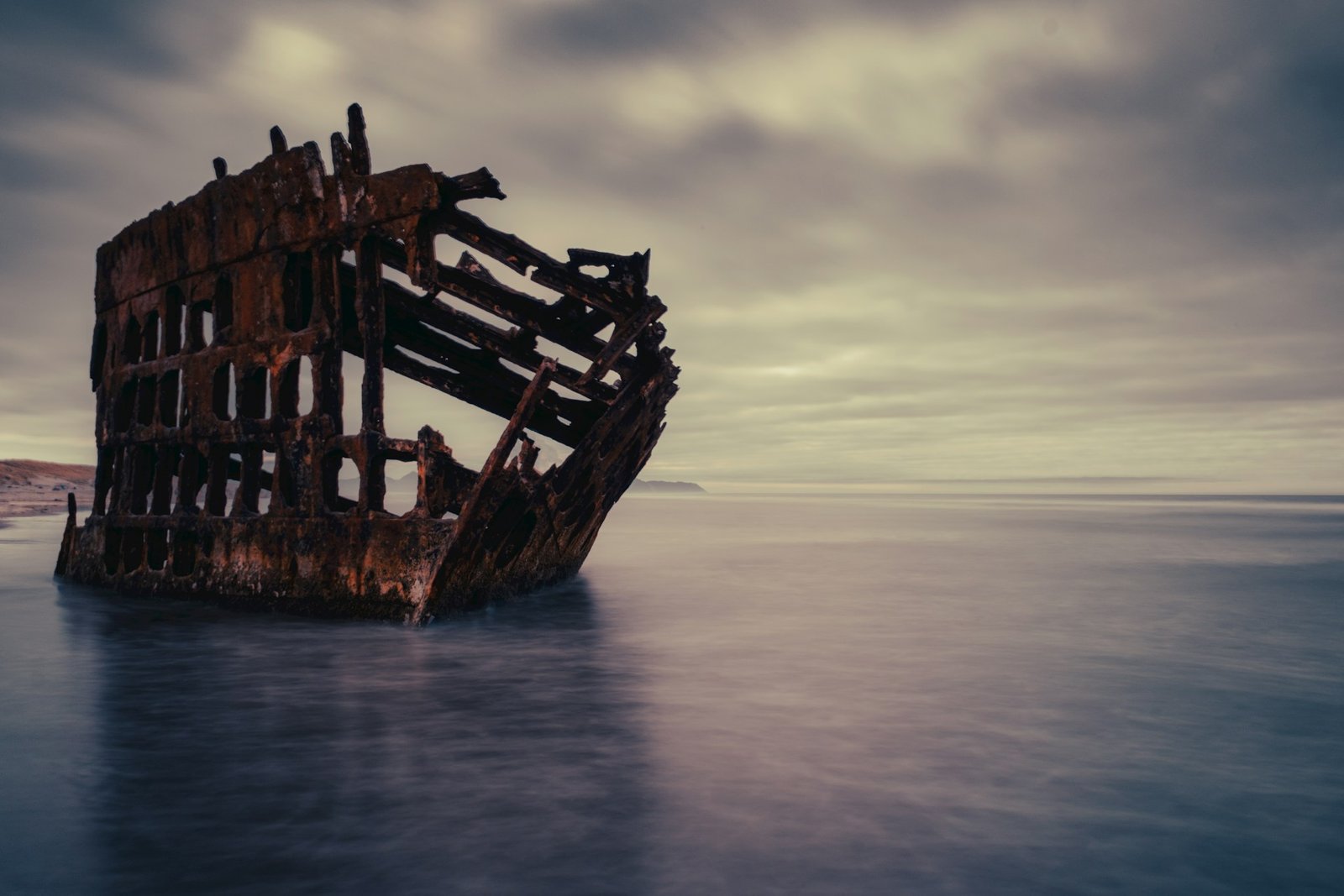
Photo by Amos Vodis on Unsplash