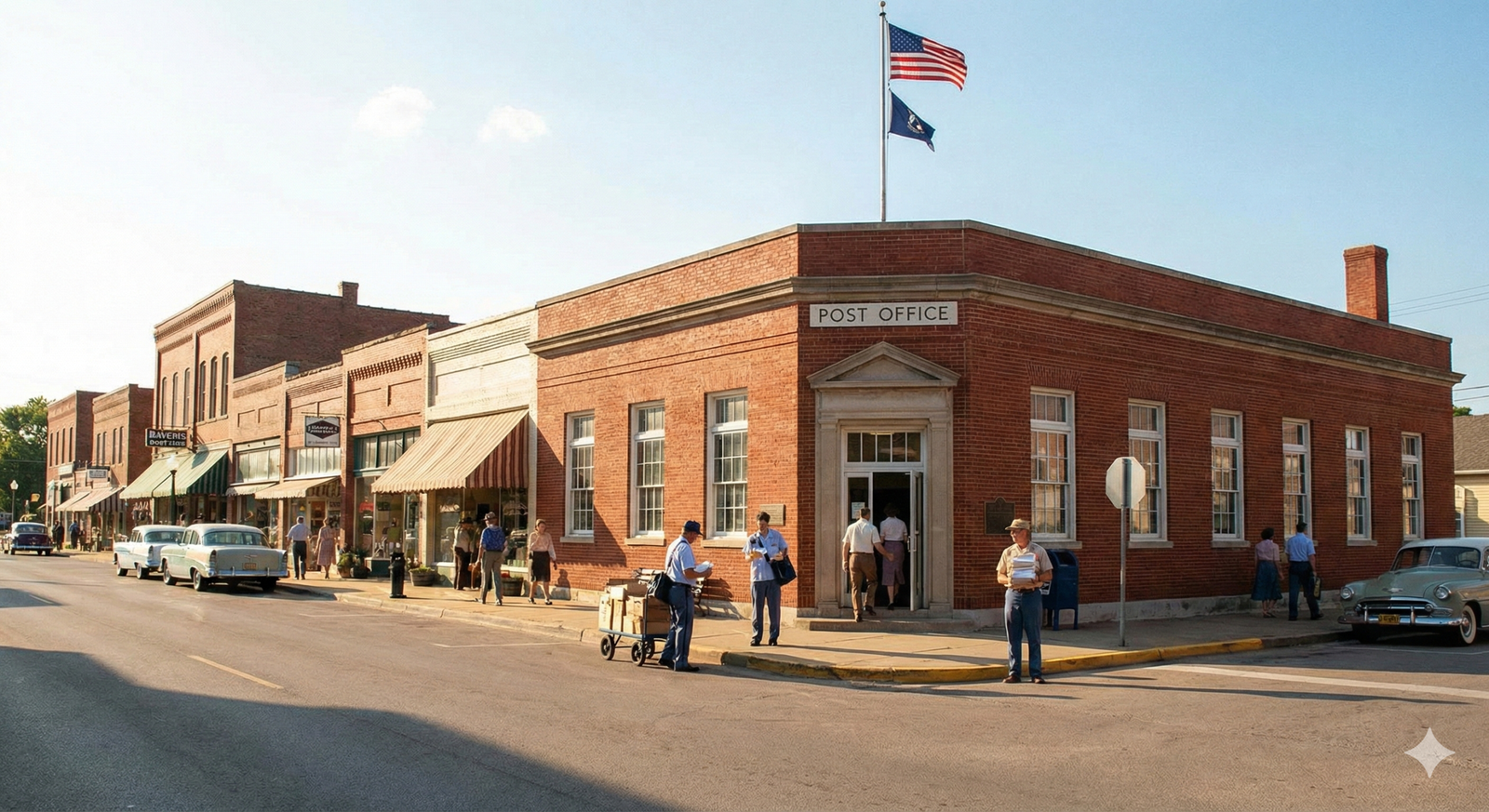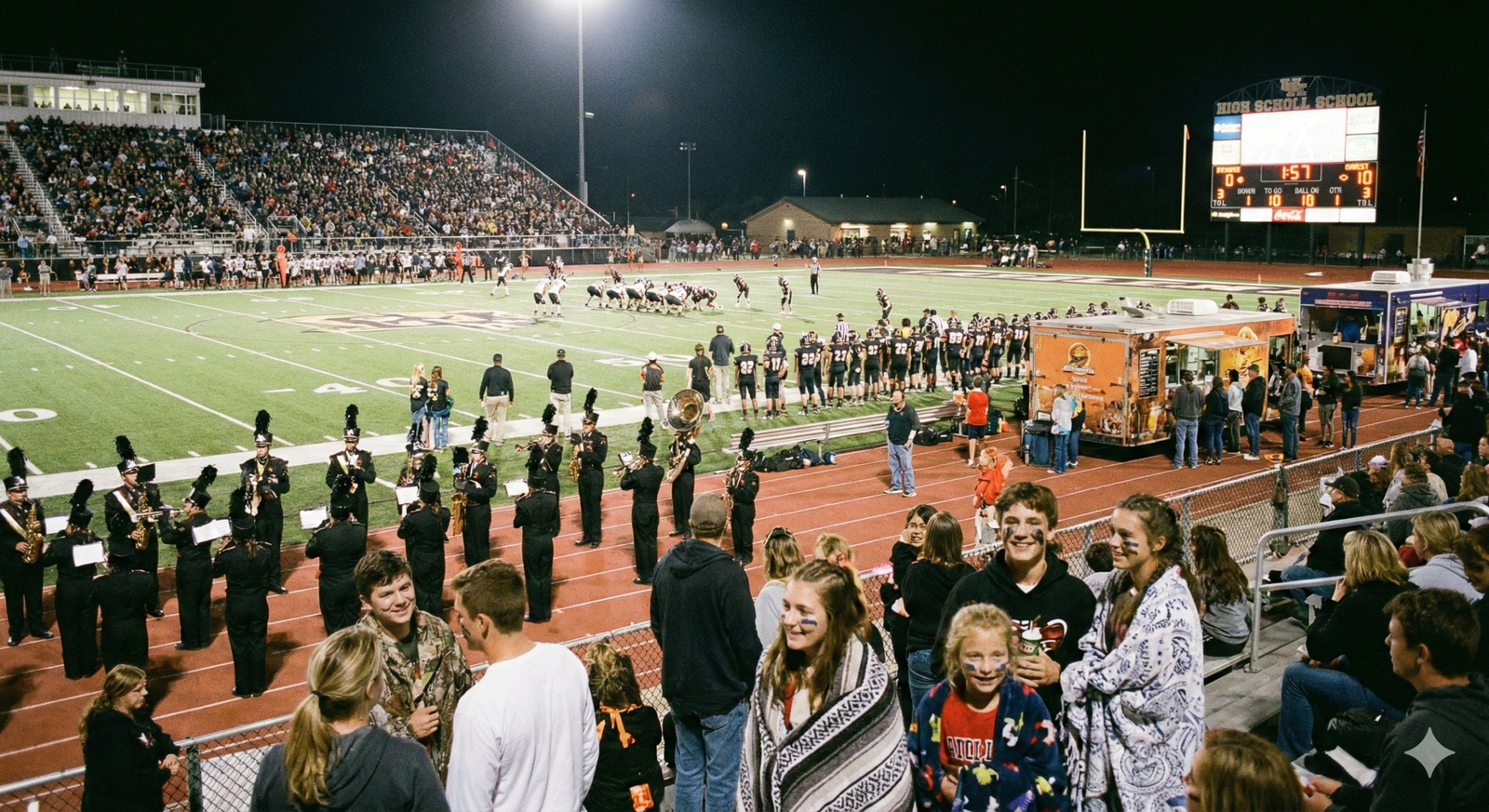
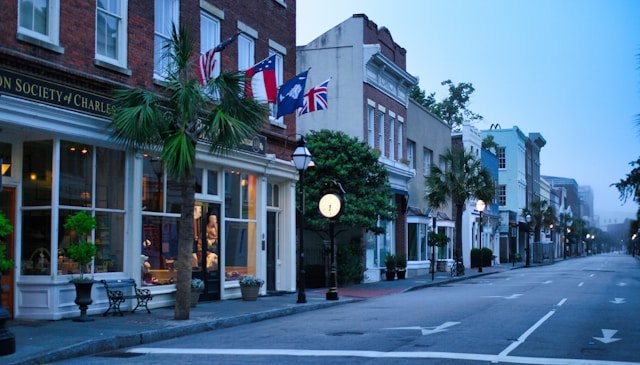
Resilience in small towns is rarely loud. It doesn’t announce itself through rapid growth or dramatic reinvention. In places like Warrenton, Oregon, resilience appears quietly through continuity, adaptability, and the ability to endure change without losing identity. Instead of chasing trends, the town has focused on maintaining what already works while adjusting to new realities. Situated on the edge of the Pacific and shaped by industry, history, and weather, Warrenton offers a practical lesson in what it means for a community to last. Its experience shows that resilience is built over time through steady decisions, local institutions, and a strong sense of place. By balancing growth with tradition, Warrenton demonstrates how small towns can remain stable even as the world around them changes.
Resilience Through Adaptation, Not Reinvention
Warrenton has not chased dramatic transformation. Instead, it has adapted its existing strengths, maritime activity, proximity to transportation corridors, and access to natural resources to shifting economic and social realities.
Rather Than Replacing Its Foundations, the Town Has:
- Expanded around established industries
- Absorbed regional growth without overdevelopment
- Integrated new residents into existing community rhythms
This incremental adaptation has proven more durable than sudden change.
A Working Town That Didn’t Disappear
Many coastal towns have transitioned almost entirely toward tourism. Warrenton resisted that path, maintaining its role as a working town while still supporting visitor activity.
This Balance Matters Because:
- Industrial and service jobs anchor year-round employment
- Local businesses serve residents first, visitors second
- Economic diversity reduces vulnerability to market swings
Resilience often depends on refusing to become a single-purpose place.
Geography As a Teacher
Living at the edge of land and sea fosters a particular mindset. Weather, tides, and environmental forces are constants in Warrenton life, shaping expectations and preparedness.
This Geography Encourages:
- Long-term thinking
- Practical infrastructure planning
- Respect for environmental limits
Communities that understand their landscape tend to plan more realistically for the future.
Institutions That Anchor Community Life
Schools, civic organizations, and long-standing local businesses form the backbone of Warrenton’s social resilience. These institutions provide continuity even as demographics shift.
Their Role Includes:
- Supporting intergenerational connections
- Preserving local knowledge
- Offering stability during economic change
Resilience is sustained through relationships, not just resources.
Growth Without Losing Scale
Warrenton’s proximity to Astoria and regional highways brings growth pressures, yet the town has largely retained its scale and character.
This Has Required:
- Careful zoning and land-use decisions
- Community engagement in development discussions
A clear sense of what the town does and does not want to become. Knowing limits is a form of strength.
Lessons Beyond Warrenton
What Warrenton teaches is not a formula, but a philosophy. Small-town resilience is built through patience, realism, and commitment to place.
Key Takeaways Include:
- Economic diversity matters more than rapid growth
- Identity is an asset, not an obstacle
- Community memory helps guide future decisions
These lessons resonate far beyond the Oregon Coast.
Conclusion
Warrenton’s resilience lies in its steadiness. It has weathered economic shifts, environmental challenges, and regional change without abandoning its core identity. This quiet consistency has allowed the town to remain functional, connected, and grounded over time. In a time when many small towns are searching for reinvention, Warrenton reminds us that endurance, adaptability, and a strong sense of place may be the most resilient strategy of all.
Photo by Marc Snailum on Unsplash