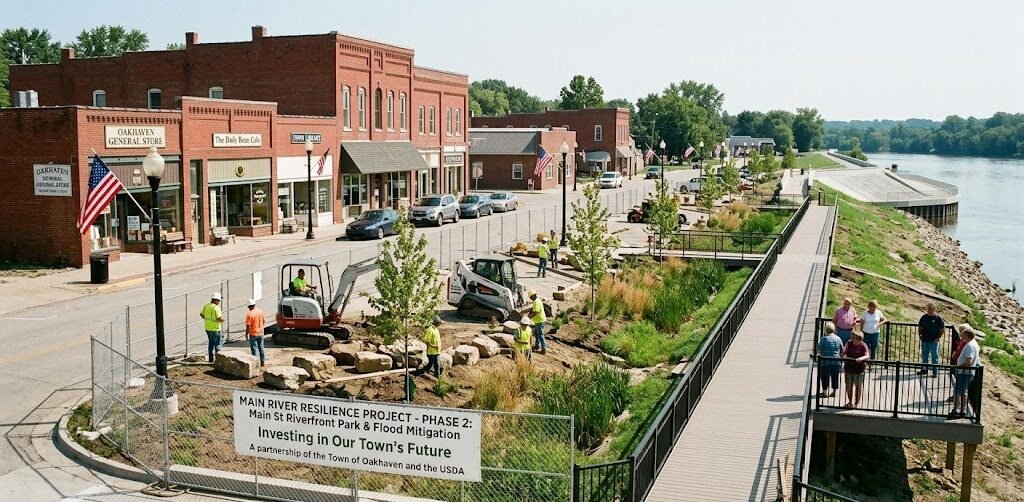
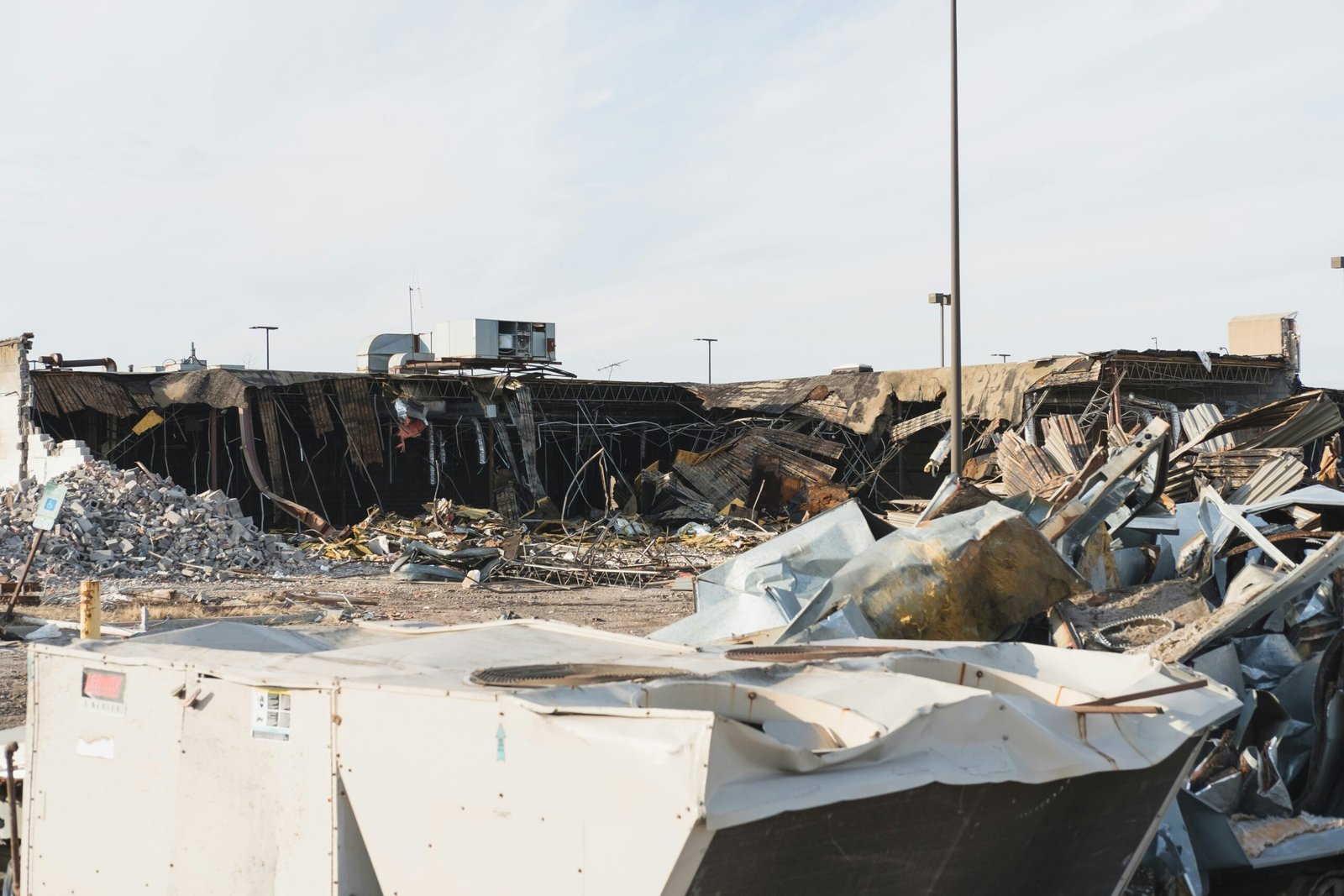
Warrenton, Oregon, sits at a critical intersection of climate, coastlines, and community life. Located near the mouth of the Columbia River, the city faces a unique combination of environmental pressures from rising sea levels and coastal erosion to habitat loss and extreme weather events. These challenges are shaping how the community plans for its future and protects its natural and built environments. Local leaders, planners, and residents are increasingly focused on resilience strategies that balance growth with environmental protection. Investments in shoreline stabilization, wetland restoration, and climate-aware infrastructure are becoming central to long-term planning efforts. Community awareness and collaboration play a key role, as residents work together to safeguard fisheries, wildlife habitats, and public spaces. Through proactive adaptation and thoughtful planning, Warrenton is working to strengthen its ability to face climate challenges while preserving its coastal character.
A Landscape Shaped by Water
Warrenton’s geography has long defined both its opportunities and vulnerabilities. Low-lying areas, wetlands, and proximity to the ocean and river system make the city particularly sensitive to environmental change.
Key geographic factors include:
- Exposure to tidal influence and storm surge
- Dependence on drainage systems and levees
- Naturally dynamic shorelines and dunes
As climate patterns shift, these characteristics amplify environmental risks.
Sea-Level Rise and Flood Risk Due to Climate Change
One of the most pressing challenges facing Warrenton is sea-level rise. Even modest increases can exacerbate flooding in coastal and estuarine areas, especially during high tides and storm events.
Potential impacts include:
- Increased flooding of residential and commercial zones
- Strain on stormwater and wastewater infrastructure
- Higher maintenance costs for roads and utilities
Planning for these impacts is becoming a central focus of local policy.
Coastal Erosion and Infrastructure Exposure
Shoreline erosion threatens not only beaches and dunes but also infrastructure located near the coast. Natural sediment movement has been altered over time by development and river management, increasing vulnerability in some areas.
Response strategies include:
- Dune restoration and vegetation planting
- Monitoring shoreline changes
- Limiting development in erosion-prone zones
Balancing access, safety, and conservation remains a complex challenge.
Wetland Loss and Habitat Pressure
Wetlands around Warrenton play a critical role in flood mitigation and biodiversity, yet decades of modification have reduced their extent and function.
Current environmental concerns include:
- Loss of fish and bird habitat
- Reduced water filtration capacity
- Increased flood intensity without natural buffers
Restoration efforts aim to reverse these trends while supporting community resilience.
Climate Change and Ecosystem Stress
Rising temperatures and changing precipitation patterns affect both terrestrial and marine ecosystems. These changes influence fisheries, wildlife migration, and vegetation health.
Observed and anticipated effects include:
- Shifts in species distribution
- Increased risk of invasive species
- Stress on native plants and animals
These ecological changes have economic implications for fisheries and tourism.
Community Preparedness and Adaptation
Local governments and regional partners are integrating environmental challenges into long-term planning. Adaptation strategies increasingly emphasize flexible, nature-based solutions.
Key initiatives include:
- Incorporating climate projections into land-use planning
- Expanding wetland and dune restoration projects
- Updating emergency preparedness plans
- Improving public awareness and education
Community engagement is essential to these efforts.
Equity and Environmental Risk
Environmental challenges do not affect all residents equally. Low-lying neighborhoods and essential service areas may face disproportionate risk from flooding and infrastructure disruption.
Addressing these disparities requires:
- Inclusive planning processes
- Targeted infrastructure investment
- Equitable access to emergency resources
Resilience planning must consider social as well as environmental factors.
Conclusion
The environmental challenges facing Warrenton reflect broader trends affecting coastal communities worldwide. Climate change, shifting coastlines, and ecosystem pressures are reshaping how the city thinks about growth, conservation, and safety. By acknowledging these challenges and investing in adaptive strategies, Warrenton is working to protect its community while preserving the coastal environment that defines it. The path forward depends on continued collaboration between residents, policymakers, scientists, and regional partners.
Photo by Charlie Deets on Unsplash