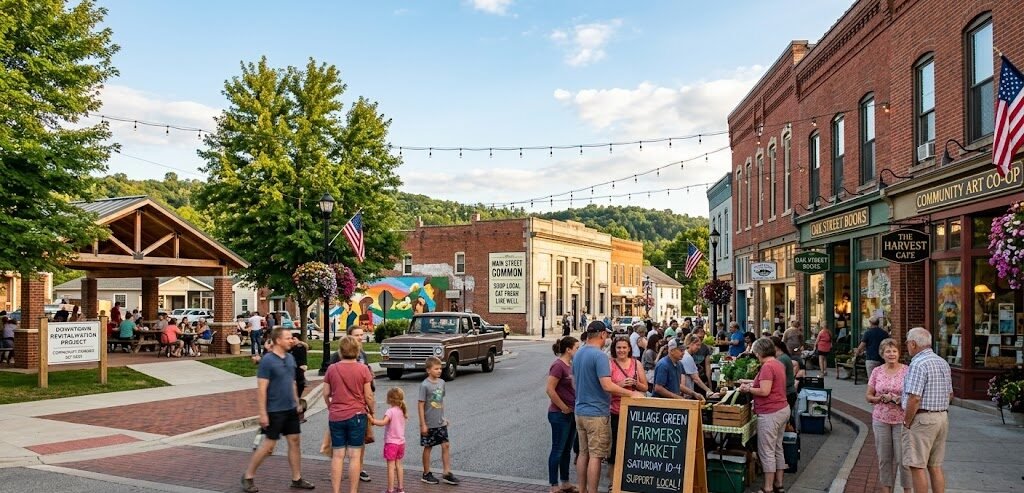
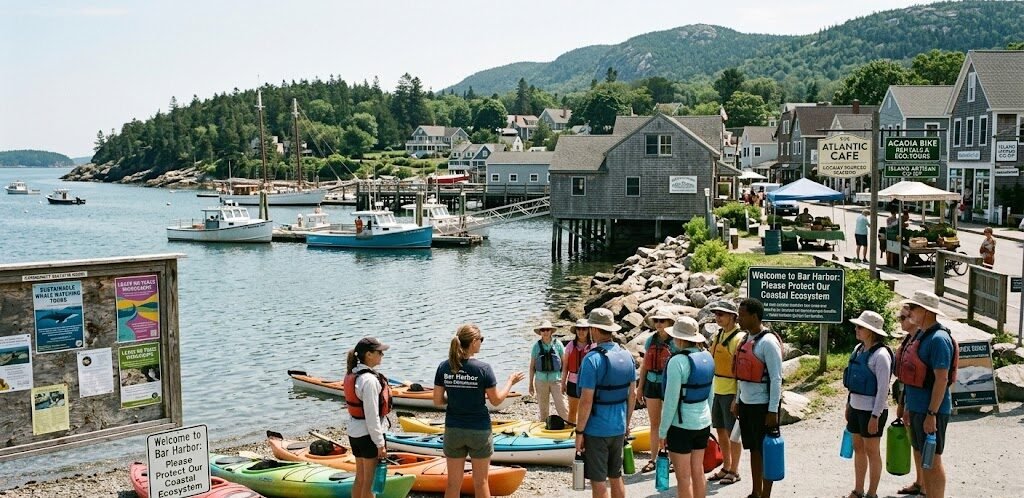
The American coastline has witnessed a remarkable transformation in recent years, as travelers increasingly seek sustainable and environmentally conscious vacation experiences. Coastal communities across the United States are embracing eco-tourism as both a conservation strategy and an economic opportunity, fundamentally reshaping the tourism landscape along America’s shores.
Understanding the Eco-Tourism Movement
Eco-tourism represents a paradigm shift in how communities approach travel and hospitality. Unlike conventional tourism, which often prioritizes profit maximization and mass visitation, eco-tourism emphasizes environmental preservation, cultural respect, and sustainable economic development. This approach has found particularly fertile ground in America’s coastal towns, where natural resources and delicate ecosystems demand thoughtful stewardship.
The International Ecotourism Society defines eco-tourism as “responsible travel to natural areas that conserves the environment, sustains the well-being of the local people, and involves interpretation and education.” This definition has become the guiding principle for numerous coastal communities reimagining their tourism offerings.
Factors Driving Coastal Eco-Tourism Growth
Several interconnected factors have contributed to the remarkable rise of eco-tourism in America’s coastal regions:
Environmental Awareness and Climate Concerns
Growing public consciousness regarding climate change and environmental degradation has fundamentally altered consumer preferences. Modern travelers, particularly millennials and Generation Z, actively seek accommodations and experiences that minimize environmental impact. Coastal towns, being on the frontlines of rising sea levels and ocean acidification, have become powerful symbols of the need for sustainable practices.
Economic Diversification
Many coastal communities historically dependent on fishing, shipping, or industrial activities have recognized eco-tourism as a viable economic alternative. This diversification strategy not only provides employment opportunities but also incentivizes environmental conservation, as pristine natural resources become valuable economic assets.
Regulatory Support and Incentives
Federal and state governments have increasingly supported sustainable tourism initiatives through grants, tax incentives, and regulatory frameworks. Programs such as the National Oceanic and Atmospheric Administration’s Coastal Zone Management Act have provided resources for communities seeking to balance development with conservation.
Successful Models Across American Coasts
Pacific Northwest: Marine Ecosystem Education
Coastal towns in Oregon and Washington have developed comprehensive eco-tourism programs centered on marine ecosystem education. These communities offer guided tide pool explorations, sustainable fishing experiences, and whale-watching expeditions that emphasize conservation education. Local operators adhere to strict guidelines regarding wildlife interaction distances and group sizes, ensuring minimal environmental disruption.
Southeast Atlantic: Sea Turtle Conservation Tourism
Communities along the coasts of Florida, Georgia, and the Carolinas have leveraged sea turtle conservation as an eco-tourism cornerstone. Visitors participate in nighttime turtle watch programs, nest monitoring activities, and educational workshops about marine conservation. These programs generate revenue while directly supporting species preservation efforts.
Gulf Coast: Wetland Restoration Experiences
Following environmental challenges including oil spills and hurricane damage, Gulf Coast towns have embraced wetland restoration as both an ecological imperative and tourism opportunity. Visitors engage in hands-on restoration projects, kayak through protected marshlands, and learn about the critical role wetlands play in coastal resilience.
Infrastructure and Accommodation Innovation
The rise of coastal eco-tourism has spurred significant innovation in sustainable infrastructure and accommodations. Many towns have implemented the following initiatives:
- LEED-certified hotels and lodges utilizing renewable energy sources
- Water conservation systems incorporating greywater recycling and rainwater harvesting
- Zero-waste restaurants featuring locally sourced, sustainable seafood
- Electric vehicle charging networks and bicycle-sharing programs
- Green building codes requiring new construction to meet sustainability standards
Economic Impact and Community Benefits
The economic implications of eco-tourism extend far beyond traditional tourism metrics. Research indicates that eco-tourists typically stay longer, spend more per capita, and return more frequently than conventional tourists. Furthermore, eco-tourism tends to distribute economic benefits more equitably throughout communities, as it often involves local guides, artisans, and small businesses rather than large corporate entities.
Coastal towns have reported substantial increases in year-round employment, reduced economic volatility, and enhanced property values following successful eco-tourism implementation. Additionally, the emphasis on environmental quality has improved residents’ quality of life, creating a virtuous cycle that attracts both visitors and new residents.
Challenges and Considerations
Despite its numerous benefits, coastal eco-tourism faces several challenges requiring careful management:
Overtourism and Carrying Capacity
Success in attracting eco-conscious visitors can paradoxically threaten the very ecosystems tourists seek to experience. Communities must establish and enforce carrying capacity limits, implement reservation systems for sensitive areas, and educate visitors about responsible behavior.
Greenwashing Concerns
As eco-tourism gains popularity, some businesses engage in “greenwashing”—making misleading claims about environmental practices. Coastal towns have responded by developing certification programs and establishing clear standards for eco-tourism operators.
Balancing Accessibility and Conservation
Communities must navigate the tension between making natural areas accessible to visitors and protecting delicate ecosystems from human impact. This requires thoughtful infrastructure planning, designated pathways, and sometimes limiting access to particularly vulnerable areas.
The Role of Technology and Education
Modern technology has become an invaluable tool in coastal eco-tourism development. Virtual reality experiences allow visitors to explore sensitive marine environments without physical impact. Mobile applications provide real-time information about wildlife sightings, tide conditions, and environmental education. Social media platforms enable communities to share conservation successes and promote sustainable practices to global audiences.
Educational programming forms the cornerstone of successful eco-tourism initiatives. Many coastal towns have established marine science centers, interactive museums, and citizen science programs that transform visitors into active conservation participants. This educational component differentiates eco-tourism from simple nature-based recreation, fostering long-term environmental stewardship.