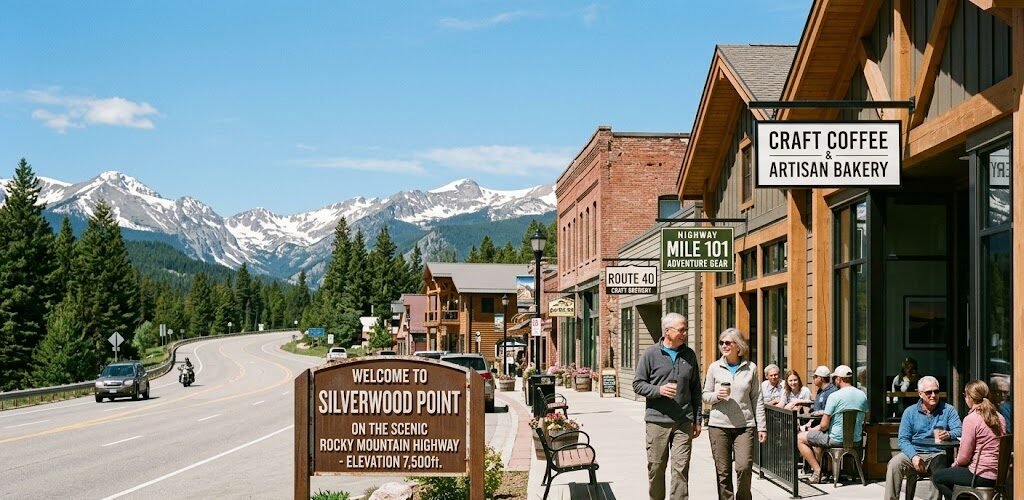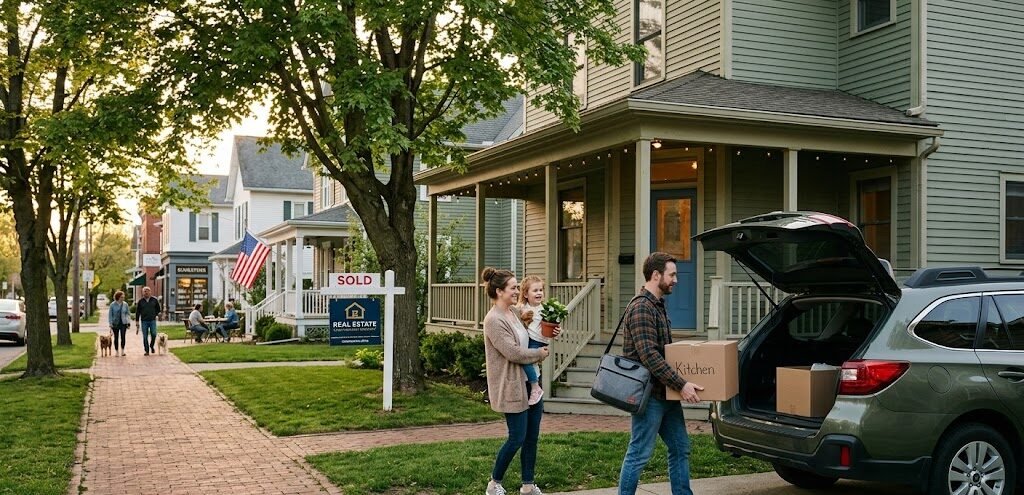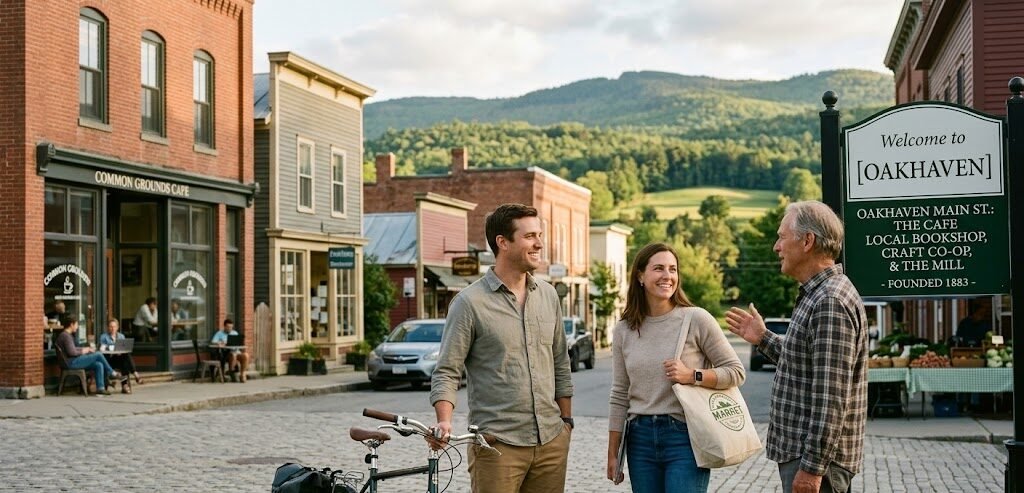
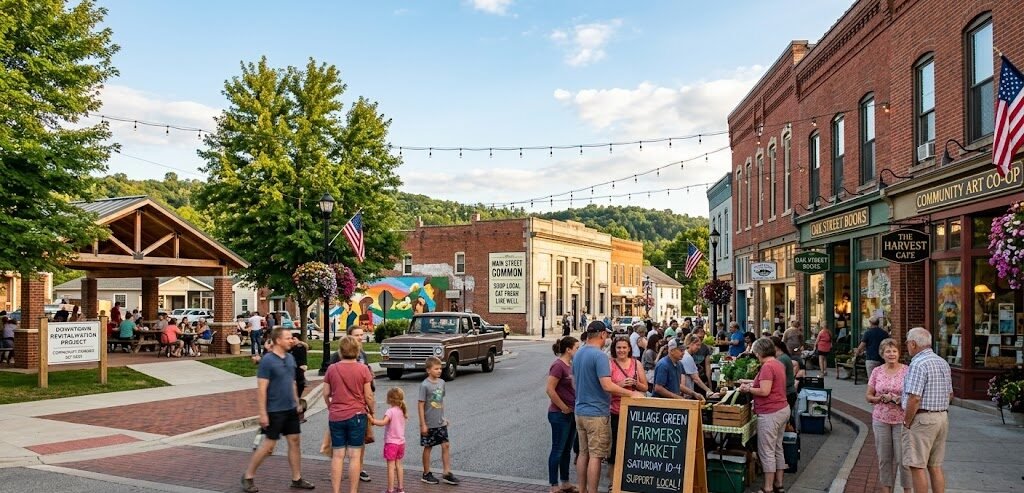
Rural downtowns across the nation are experiencing a renaissance, driven not by large corporations or government initiatives, but by passionate community members who refuse to watch their town centers fade into obscurity. These grassroots efforts are proving that local engagement and collective vision can transform struggling main streets into vibrant cultural and economic hubs.
The Challenge Facing Rural Town Centers
For decades, rural communities have witnessed the gradual decline of their downtown areas. The migration of retail to suburban shopping centers, the rise of e-commerce, and the exodus of younger populations to urban centers have left many small-town main streets with vacant storefronts and diminished foot traffic. These economic shifts have not only affected local businesses but have also eroded the social fabric that once made these downtowns the heart of community life.
However, a growing movement of community-led initiatives is challenging this narrative, demonstrating that rural downtowns possess untapped potential waiting to be rediscovered and reimagined.
The Power of Community-Driven Initiatives
Community-led projects distinguish themselves from top-down development approaches by prioritizing local voices, preserving authentic character, and fostering genuine connections among residents. These initiatives typically begin with small groups of dedicated individuals—local business owners, concerned citizens, or returning residents—who recognize the value in their town’s heritage and envision a sustainable future.
Key Components of Successful Projects
- Inclusive Planning: Engaging diverse community stakeholders ensures that revitalization efforts reflect the needs and aspirations of all residents
- Preservation of Character: Maintaining historic architecture and local identity while introducing modern amenities
- Economic Sustainability: Creating viable business models that support local entrepreneurs and attract visitors
- Cultural Programming: Developing events and activities that draw people back to downtown spaces
- Collaborative Partnerships: Building relationships between residents, businesses, nonprofits, and local government
Innovative Approaches to Downtown Revitalization
Adaptive Reuse of Historic Buildings
Many communities are breathing new life into abandoned structures by transforming them into mixed-use spaces. Former warehouses become artisan marketplaces, vacant banks are converted into community theaters, and old storefronts house co-working spaces for remote professionals. This approach preserves architectural heritage while meeting contemporary needs.
Pop-Up Initiatives and Temporary Activations
Community groups are utilizing pop-up markets, temporary art installations, and seasonal festivals to generate interest and test concepts before committing to permanent changes. These low-risk experiments allow communities to gauge public response and build momentum for larger projects.
Main Street Entrepreneurship Programs
Several rural communities have established business incubators and technical assistance programs specifically designed to help aspiring entrepreneurs launch ventures in downtown locations. These programs often include reduced rent periods, mentorship opportunities, and access to shared resources.
Public Space Improvements
Simple enhancements to public spaces—such as installing benches, creating pedestrian zones, adding green spaces, and improving lighting—can significantly increase the appeal and usability of downtown areas. Community volunteers often spearhead these projects through beautification campaigns and fundraising efforts.
Economic and Social Benefits
The impact of successful community-led revitalization extends far beyond aesthetic improvements. These projects generate tangible economic benefits, including increased property values, new job creation, and enhanced tax revenues. Local businesses experience higher sales as foot traffic increases, and the multiplier effect of local spending strengthens the overall economy.
Equally important are the social dividends. Revitalized downtowns become gathering places that strengthen social bonds, reduce isolation—particularly among elderly residents—and create opportunities for civic engagement. They foster pride in place and can help attract and retain younger residents who seek authentic community experiences.
Overcoming Obstacles
Despite their promise, community-led projects face significant challenges. Limited financial resources, bureaucratic hurdles, resistance to change, and the complexity of coordinating multiple stakeholders can impede progress. Successful initiatives typically address these obstacles through:
- Creative financing strategies, including crowdfunding, grants, and public-private partnerships
- Patient, persistent communication to build consensus and address concerns
- Phased implementation that demonstrates early wins and builds credibility
- Leveraging external expertise while maintaining local control
- Celebrating small victories to maintain momentum and volunteer engagement
The Role of Technology and Remote Work
The rise of remote work has created unexpected opportunities for rural downtowns. Communities that invest in reliable internet infrastructure and create appealing co-working spaces can attract digital nomads and remote professionals seeking lower costs of living and tight-knit communities. This demographic brings disposable income and fresh perspectives while appreciating the character and pace of small-town life.
Lessons for Other Communities
Communities considering similar revitalization efforts can learn valuable lessons from successful projects. Starting small, maintaining authenticity, building broad coalitions, securing early wins, and maintaining flexibility are essential strategies. Equally important is recognizing that revitalization is an ongoing process rather than a single project with a defined endpoint.
Documentation and storytelling also play crucial roles. Sharing progress through social media, local media coverage, and community presentations helps maintain enthusiasm, attract support, and inspire other communities to undertake similar efforts.
Looking Toward the Future
The movement to revive rural downtowns through community-led initiatives represents a broader shift in how Americans think about community development and quality of life. As more people seek alternatives to congested urban areas and homogenized suburban environments, rural communities that have invested in vibrant, authentic downtowns position themselves to thrive.
These grassroots efforts demonstrate that revitalization need not require massive capital investments or outside developers.