The transformation of coastal towns from industrial powerhouses to thriving tourist destinations represents one of the most significant economic shifts of the past century. This evolution reflects broader changes in global economics, environmental awareness, and societal values that have fundamentally altered the character and purpose of seaside communities worldwide.
The Industrial Heritage of Coastal Communities
Historically, coastal towns flourished as centers of maritime commerce and industrial activity. Fishing fleets, shipping yards, and manufacturing facilities dominated waterfronts, providing employment for generations of residents. These communities were characterized by working harbors filled with commercial vessels, processing plants that handled seafood and other goods, and a workforce whose livelihood depended entirely on industrial productivity.
The geographic advantages of coastal locations made them natural hubs for trade and industry. Deep-water ports facilitated international commerce, while abundant marine resources supported thriving fishing industries. Shipbuilding, naval operations, and related manufacturing created complex economic ecosystems that sustained entire regions.
Catalysts for Economic Transformation
Several interconnected factors precipitated the shift away from traditional coastal industries toward tourism-based economies:
- Declining industrial viability: Overfishing, depleted resources, and increased competition from larger, more efficient operations elsewhere made traditional industries less sustainable
- Environmental regulations: Stricter pollution controls and conservation measures increased operational costs for industrial facilities
- Globalization: Manufacturing and shipping operations relocated to areas with lower costs and more favorable business conditions
- Technological advancement: Automation reduced employment opportunities in remaining industrial operations
- Changing consumer preferences: Growing interest in leisure travel and coastal experiences created new economic opportunities
The Rise of Tourism-Centric Economies
As traditional industries declined, coastal communities began recognizing the economic potential of their natural assets. Beaches, scenic vistas, and maritime heritage that once served purely functional purposes became valuable tourist attractions. This realization sparked deliberate efforts to rebrand and reposition these towns as desirable destinations for visitors seeking relaxation, recreation, and cultural experiences.
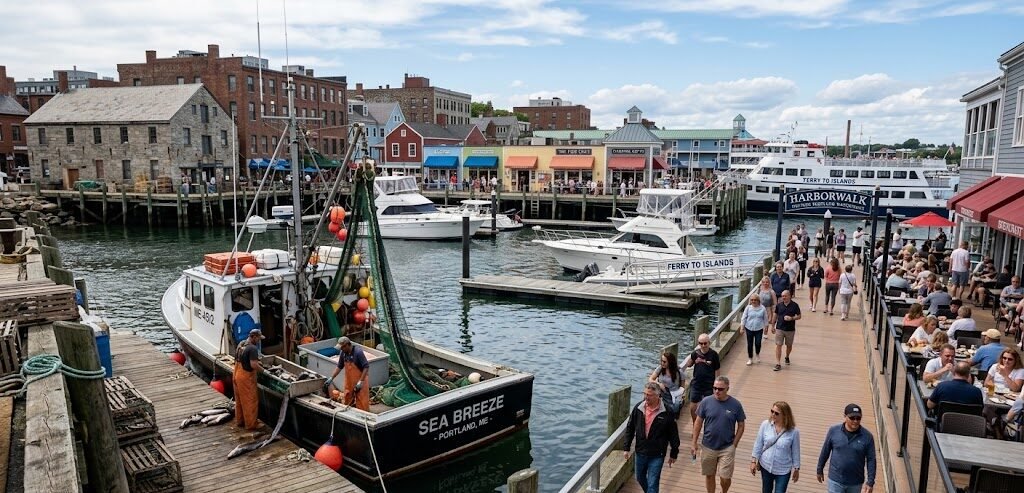
The transition involved significant infrastructural changes. Former industrial sites were redeveloped into hotels, restaurants, entertainment venues, and retail establishments. Waterfronts underwent extensive beautification projects, transforming working harbors into pedestrian-friendly promenades lined with shops and cafes. Historic buildings found new purposes as museums, galleries, and boutique accommodations that celebrated maritime heritage while serving contemporary tourism needs.
Economic Implications and Benefits
The shift to tourism-based economies has generated substantial benefits for many coastal communities. Tourism creates diverse employment opportunities across hospitality, food service, retail, entertainment, and recreational sectors. The seasonal nature of tourism has encouraged development of complementary industries and year-round attractions to stabilize income streams.
Property values in successfully transformed coastal towns have generally increased significantly, benefiting longtime residents and attracting new investment. Local governments have gained enhanced tax revenues from tourism-related businesses, funding improvements to infrastructure and public services that benefit both residents and visitors.
Challenges and Considerations
Despite numerous advantages, the transition from industry to tourism presents significant challenges that communities must address thoughtfully:
Economic Vulnerability
Heavy reliance on tourism creates exposure to economic fluctuations, seasonal variations, and external shocks such as natural disasters or global events that disrupt travel patterns. Communities must develop strategies to diversify their economic base and build resilience against tourism downturns.
Affordability and Displacement
Rising property values and living costs associated with tourism development can price out long-term residents, particularly those from working-class backgrounds who formed the backbone of industrial-era communities. This gentrification effect raises important questions about equity and community character preservation.
Environmental Pressures
Increased visitor numbers can strain natural resources, damage ecosystems, and compromise the very attractions that draw tourists. Sustainable tourism practices and careful environmental management are essential to preserving coastal environments for future generations.
Cultural Identity
The commercialization inherent in tourism development risks eroding authentic community character and heritage. Balancing tourist appeal with genuine cultural preservation requires intentional planning and community engagement.
Strategies for Sustainable Transition
Successful coastal town transformations share common elements that other communities can emulate:
Heritage preservation: Maintaining and celebrating industrial history through museums, historic districts, and cultural programming provides authenticity that enriches the tourist experience while honoring community roots.
Community involvement: Engaging residents in planning processes ensures that development reflects local values and priorities while distributing economic benefits broadly across the population.
Environmental stewardship: Implementing sustainable tourism practices, protecting natural resources, and limiting development in sensitive areas preserves the ecological foundations of coastal appeal.
Economic diversification: Encouraging mixed economies that combine tourism with other sectors such as education, technology, and creative industries reduces vulnerability to tourism fluctuations.
Infrastructure investment: Developing transportation systems, utilities, and public facilities that serve both residents and visitors improves quality of life while supporting tourism growth.
Looking Forward
The evolution of coastal town economies continues as communities adapt to changing circumstances and emerging opportunities. Climate change, shifting travel patterns, and technological innovations will shape future developments in ways that are difficult to predict fully.
Successful coastal communities will likely be those that maintain flexibility, embrace innovation while respecting heritage, and prioritize long-term sustainability over short-term gains. The lessons learned from decades of economic transition provide valuable guidance for communities still navigating this transformation and those preparing for future changes.
The journey from industrial centers to tourist destinations represents more than an economic shift; it reflects fundamental changes in how societies value and utilize coastal resources. By understanding this evolution and its implications, coastal communities can chart courses that honor their past while building prosperous, sustainable futures.