
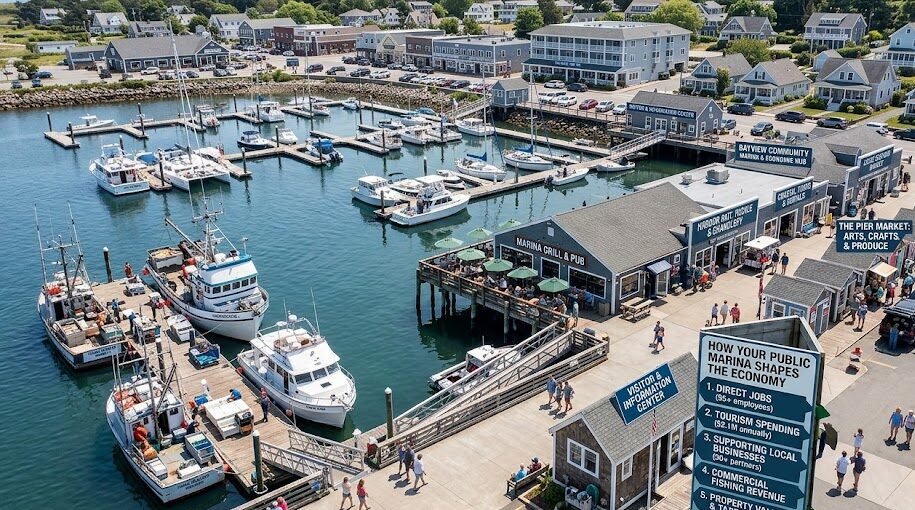
Public marinas serve as vital economic anchors for coastal communities worldwide, generating substantial revenue streams and fostering sustainable growth in regions that embrace maritime tourism and recreational boating. These facilities extend far beyond simple boat storage, functioning as comprehensive economic engines that create employment opportunities, attract visitors, and stimulate local business development.
The Multifaceted Economic Impact of Public Marinas
The economic influence of public marinas manifests through multiple channels, creating a ripple effect throughout coastal town economies. When properly managed and strategically developed, these facilities contribute significantly to regional prosperity through both direct and indirect economic activities.
Direct economic benefits include revenue from slip rentals, fuel sales, maintenance services, and marina-based amenities. However, the indirect economic impact often proves even more substantial, as marina visitors patronize local restaurants, retail establishments, hotels, and entertainment venues throughout their stay.
Job Creation and Employment Opportunities
Public marinas generate diverse employment opportunities across multiple skill levels and professional sectors. From marina managers and dock hands to marine mechanics and customer service representatives, these facilities create stable, year-round positions that support local families and contribute to community stability.
Key employment categories include:
- Marina administration and management personnel
- Maintenance and repair technicians
- Dock masters and harbormaster staff
- Fuel dock operators
- Security personnel
- Retail and hospitality workers
- Seasonal staff for peak tourism periods
The specialized nature of many marina positions also encourages workforce development and vocational training programs, further enhancing the local labor market and creating pathways to maritime careers.
Tourism Attraction and Visitor Spending
Public marinas function as powerful tourism magnets, drawing recreational boaters, sailing enthusiasts, and maritime tourists who contribute significantly to local economic activity. Transient boaters, in particular, represent a high-value demographic, often spending considerably on accommodations, dining, provisioning, and local attractions during their visits.
Research consistently demonstrates that marina visitors exhibit higher-than-average spending patterns compared to other tourist categories. These visitors require extensive provisioning, frequently dine at waterfront restaurants, purchase marine supplies and equipment, and engage local service providers for boat maintenance and repairs.
Supporting Local Business Ecosystems
The presence of a well-maintained public marina catalyzes the development of complementary businesses throughout coastal communities. Marine supply stores, boat repair shops, chandleries, waterfront restaurants, and hospitality establishments naturally cluster around successful marinas, creating vibrant commercial districts that benefit from consistent foot traffic and maritime tourism.
This business clustering effect generates what economists term “agglomeration benefits,” where the concentration of related enterprises creates synergies that enhance overall economic performance. Restaurants benefit from marina customers seeking dining options, while retail establishments attract boaters seeking provisions and maritime supplies.
Property Value Enhancement
Public marinas consistently demonstrate positive effects on surrounding property values, benefiting both residential and commercial real estate markets. Properties located near well-maintained marina facilities typically command premium prices, reflecting buyer preferences for waterfront access and maritime amenities.
This property value appreciation expands the local tax base, providing municipalities with increased revenue to fund public services, infrastructure improvements, and community development initiatives. The enhanced tax revenue creates a sustainable funding mechanism that supports ongoing community investment and development.
Infrastructure Development and Community Investment
Successful public marinas often serve as catalysts for broader infrastructure improvements and waterfront revitalization projects. Marina development frequently necessitates upgrades to roads, utilities, parking facilities, and public spaces, improvements that benefit the entire community beyond marina users.
Many coastal towns have leveraged marina projects to transform underutilized waterfront areas into thriving mixed-use developments featuring restaurants, shops, public parks, and cultural facilities. These revitalization efforts create attractive destinations that appeal to both residents and visitors, enhancing community quality of life while generating economic returns.
Event Hosting and Community Programming
Public marinas provide versatile venues for hosting regattas, fishing tournaments, boat shows, and maritime festivals that attract participants and spectators from regional and national markets. These events generate concentrated economic activity, filling hotels, restaurants, and retail establishments while raising the community’s profile as a maritime destination.
Regular programming and special events establish marinas as community gathering places, strengthening social cohesion while creating marketing opportunities that extend the tourism season and stabilize revenue streams throughout the year.
Environmental Stewardship and Sustainable Tourism
Modern public marinas increasingly embrace environmental sustainability practices that protect coastal ecosystems while supporting responsible tourism. Clean marina certifications, waste management programs, and environmental education initiatives enhance community reputation and appeal to environmentally conscious visitors.
Sustainable marina operations demonstrate community commitment to environmental stewardship, differentiating destinations in competitive tourism markets and attracting visitors who value ecological responsibility. This positioning supports premium pricing strategies and long-term economic sustainability.
Resilience and Economic Diversification
For coastal communities seeking to diversify their economic base, public marinas offer reliable revenue streams that complement other industries while reducing dependence on single economic sectors. Maritime tourism proves relatively resilient compared to other economic activities, maintaining stability through various economic cycles.
The recreational boating market demonstrates consistent growth trends, supported by demographic factors including retiring baby boomers with disposable income and increasing interest in outdoor recreational activities. This market stability provides coastal towns with dependable economic foundations for long-term planning and investment.
Strategic Planning and Maximizing Economic Benefits
Maximizing the economic benefits of public marinas requires strategic planning, professional management, and ongoing investment in facilities and services. Communities that approach marina development with comprehensive strategies that integrate maritime facilities into broader economic development plans achieve superior outcomes.