
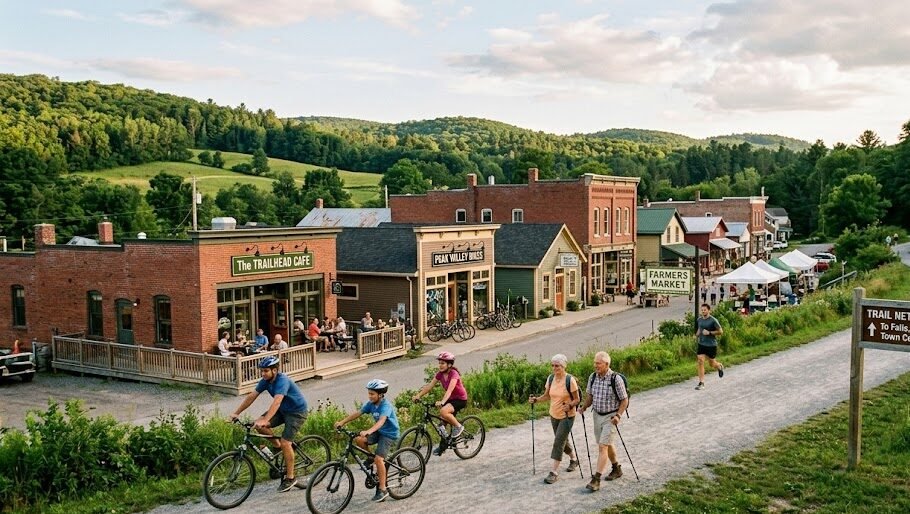
Rural communities across the globe are discovering an innovative pathway to economic revitalization and community development through the strategic implementation of trail networks. These carefully planned recreational corridors are proving to be far more than simple walking paths; they represent a transformative force capable of breathing new life into areas that have struggled with population decline, economic stagnation, and diminishing opportunities.
The Economic Impact of Trail Development
Trail networks serve as powerful economic engines for rural regions, generating substantial revenue through multiple channels. When communities invest in developing and maintaining quality trail systems, they create an attractive destination for outdoor enthusiasts, tourists, and adventure seekers who bring with them significant spending power.
Local businesses experience measurable benefits from increased foot traffic and visitor spending. Restaurants, lodging facilities, equipment rental shops, and retail establishments all see revenue increases as trail users require services before, during, and after their outdoor experiences. Studies have demonstrated that trail users typically spend between $20 to $50 per visit on goods and services in nearby communities.
Enhancing Community Health and Well-being
Beyond economic considerations, trail networks contribute significantly to the physical and mental health of rural residents. Access to safe, well-maintained trails encourages regular physical activity, combating the sedentary lifestyle that has become increasingly common in modern society.
The health benefits extend across multiple dimensions:
- Reduced rates of cardiovascular disease and obesity through increased physical activity
- Improved mental health outcomes, including decreased anxiety and depression
- Enhanced social connectivity as residents gather on trails for recreation and socializing
- Better air quality and reduced pollution in communities that promote walking and cycling
- Increased life expectancy and quality of life for regular trail users
Environmental Conservation and Sustainability
Trail networks often serve dual purposes as recreational amenities and conservation corridors. Properly designed trail systems protect sensitive ecosystems, preserve wildlife habitats, and maintain natural landscapes that might otherwise fall victim to inappropriate development or neglect.
Environmental stewardship becomes a community priority when trail networks are established. Local residents develop deeper connections to their natural surroundings and become more invested in conservation efforts. This heightened environmental awareness often leads to broader sustainability initiatives, including watershed protection, reforestation projects, and wildlife monitoring programs.
Attracting New Residents and Retaining Youth
One of the most significant challenges facing rural communities is population decline, particularly among younger demographics seeking opportunities in urban centers. High-quality trail networks serve as powerful amenities that make rural living more attractive to potential residents and help retain young people who might otherwise migrate to cities.
Remote workers and professionals with location flexibility increasingly prioritize quality of life factors when choosing where to live. Well-developed trail systems signal that a community values recreation, health, and environmental quality—attributes highly sought after by educated professionals and families.
Tourism Development and Regional Identity
Trail networks create opportunities for rural communities to develop distinctive tourism brands. By marketing their trails effectively, communities can position themselves as premier outdoor recreation destinations, attracting visitors from regional, national, and even international markets.
Successful trail-based tourism requires strategic planning and coordinated effort:
- Development of marketing materials highlighting unique trail features and experiences
- Creation of trail events such as organized rides, races, and festivals
- Establishment of partnerships with tourism boards and outdoor recreation organizations
- Investment in wayfinding signage and interpretive elements that enhance the visitor experience
- Cultivation of online presence through websites, social media, and trail-specific applications
Infrastructure and Property Value Enhancement
The presence of accessible trail networks demonstrably increases property values in rural communities. Homes located near quality trails command premium prices, and the overall desirability of communities with extensive trail systems attracts real estate investment and development interest.
Trail infrastructure often catalyzes broader community improvements. The same planning processes and funding mechanisms that support trail development can extend to other infrastructure needs, including road improvements, utility upgrades, and public facility enhancements.
Collaborative Planning and Community Engagement
Successful trail network development requires meaningful community engagement and collaborative planning processes. When residents participate in trail design and implementation decisions, they develop ownership of the project and become advocates for its success and maintenance.
Effective collaboration involves multiple stakeholders, including local government agencies, non-profit organizations, private landowners, business interests, and community members. This multi-stakeholder approach ensures that trail networks meet diverse needs while respecting property rights and environmental considerations.
Funding Strategies and Financial Sustainability
Securing adequate funding represents one of the primary challenges in trail network development. Rural communities must pursue diverse funding strategies to support initial construction and ongoing maintenance requirements.
Potential funding sources include:
- Federal and state grant programs dedicated to recreational infrastructure
- Private foundation support focused on community development and conservation
- Local government allocations from general funds or special tax assessments
- Corporate sponsorships from businesses benefiting from trail traffic
- Community fundraising campaigns and individual donations
- User fees and permit systems where appropriate and feasible
Overcoming Implementation Challenges
While the benefits of trail networks are substantial, rural communities must navigate various challenges during implementation. Land acquisition or easement negotiation can be complex, particularly when trails cross multiple properties. Liability concerns require attention through proper insurance coverage and adherence to established trail design standards.
Maintenance represents an ongoing consideration that communities must address through dedicated funding mechanisms and volunteer support systems. Regular trail maintenance ensures safety, protects the environment, and preserves the quality of user experience that attracts visitors and supports economic benefits.
Long-term Vision and Sustainable Growth
Trail network development should be viewed as a long-term investment in community vitality rather than a short-term project. Communities that commit to sustained development, maintenance, and promotion of trail systems position themselves for lasting revitalization and growth.