The traditional narrative of ambitious professionals flocking to metropolitan areas is undergoing a significant transformation. An increasing number of skilled workers are deliberately choosing to establish their careers and lives in smaller communities, marking a profound shift in professional migration patterns. This trend reflects evolving priorities and the recognition that career success need not be synonymous with urban living.
The Remote Work Revolution
The proliferation of remote work opportunities has fundamentally altered the professional landscape. Technology companies, financial institutions, and consulting firms now routinely offer flexible work arrangements that eliminate geographical constraints. This development has liberated professionals from the necessity of residing in expensive urban centers to access quality employment opportunities.
High-speed internet infrastructure in smaller towns has reached levels comparable to major cities, enabling seamless video conferencing, cloud-based collaboration, and efficient project management. Consequently, professionals can maintain productivity and connectivity while enjoying the benefits of small-town living.
Economic Advantages
Financial considerations play a pivotal role in the migration toward smaller communities. The cost differential between urban and rural living has reached unprecedented levels, prompting professionals to reassess their residential choices.
Housing Affordability
Real estate prices in small towns typically represent a fraction of their metropolitan counterparts. Professionals can acquire spacious homes with substantial property for amounts that would secure merely modest apartments in major cities. This affordability enables accelerated wealth accumulation, reduced financial stress, and improved quality of life.
Lower Living Expenses
Beyond housing, daily expenses including groceries, dining, transportation, and entertainment prove considerably more economical in smaller communities. The absence of congestion charges, reduced parking costs, and lower tax burdens further enhance financial advantages. These savings enable professionals to allocate resources toward investments, education, or experiential pursuits rather than basic living expenses.
Enhanced Quality of Life
Small towns offer numerous lifestyle benefits that increasingly resonate with contemporary professionals seeking balance and well-being.
Reduced Stress and Commuting Time
The elimination or substantial reduction of lengthy commutes represents a significant quality-of-life improvement. Professionals in small towns typically experience minimal traffic congestion, allowing more time for family, hobbies, and personal development. This temporal liberation contributes to improved mental health and overall satisfaction.
Community Connection
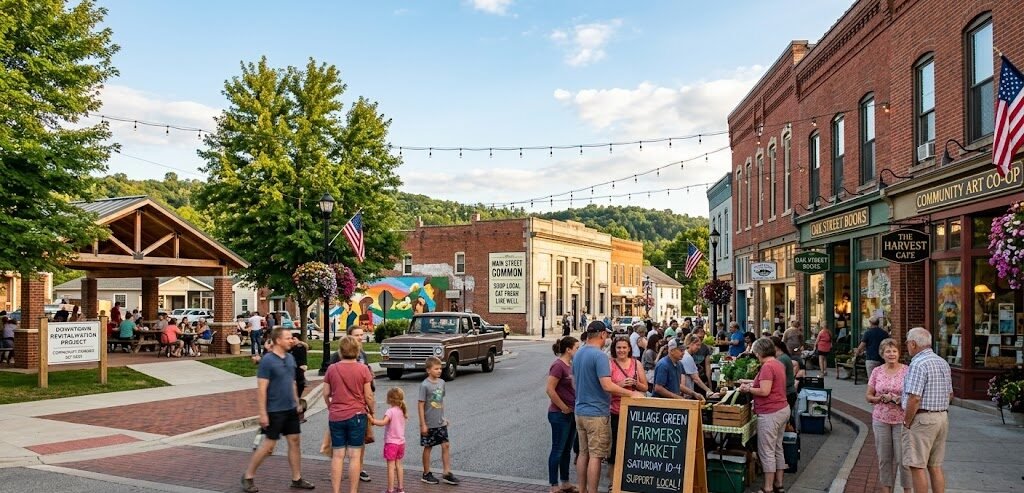
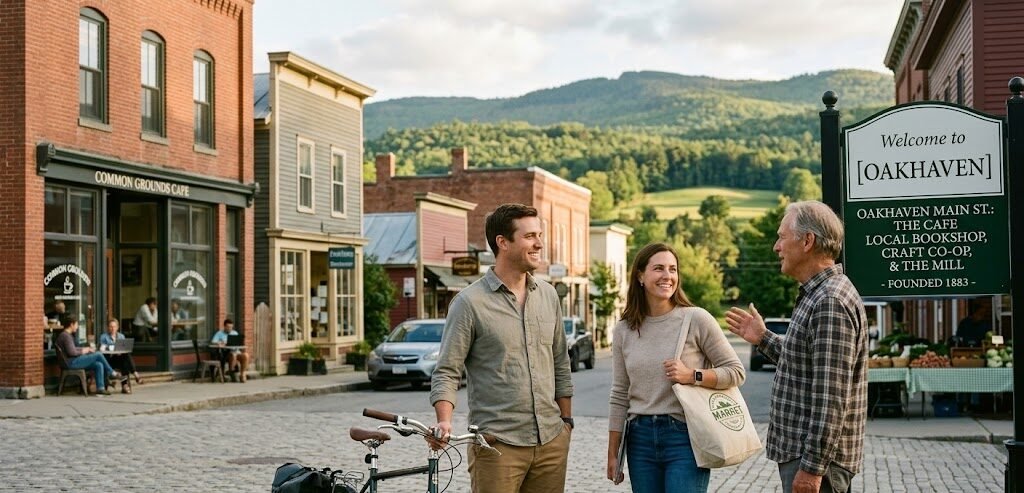
Smaller communities foster meaningful interpersonal relationships and genuine social connections. The sense of belonging and mutual support found in tight-knit communities contrasts sharply with the anonymity often experienced in urban environments. Professionals appreciate knowing their neighbors, participating in local initiatives, and contributing to community development.
Natural Environment Access
Proximity to natural landscapes, including forests, mountains, lakes, and coastal areas, appeals to professionals prioritizing outdoor recreation and environmental quality. Small towns typically offer cleaner air, reduced noise pollution, and abundant green spaces, contributing to physical health and psychological well-being.
Family and Educational Considerations
Professionals with families particularly value the advantages small towns provide for child-rearing. Lower crime rates, excellent public schools with smaller class sizes, and safer neighborhoods for children to explore independently represent compelling factors in relocation decisions.
The slower pace of life enables families to spend quality time together without the constant pressures and distractions prevalent in urban settings. Children benefit from outdoor play, community involvement, and strong relationships with peers and adults alike.
Professional Development Opportunities
Contrary to outdated perceptions, small towns increasingly offer robust professional development prospects. Local businesses value skilled professionals and often provide leadership opportunities earlier in careers than larger organizations might. The chance to make substantial impacts within smaller organizations appeals to ambitious individuals seeking meaningful work.
Furthermore, many professionals establish consulting practices or entrepreneurial ventures, serving both local clients and remote customers. The lower operational costs and supportive community environments facilitate business success.
Cultural and Recreational Amenities
Modern small towns have evolved beyond stereotypical limitations. Many communities now feature thriving arts scenes, farmers’ markets, craft breweries, boutique restaurants, and cultural festivals. Digital connectivity ensures access to entertainment, educational resources, and cultural content regardless of location.
Additionally, small towns often situate themselves within reasonable proximity to larger cities, enabling professionals to access metropolitan amenities for special occasions while enjoying daily life in more tranquil settings.
Environmental and Sustainability Values
Growing environmental consciousness influences residential decisions among professionals. Small-town living typically involves reduced carbon footprints through decreased commuting, smaller living spaces requiring less energy, and opportunities for sustainable practices such as gardening and local food consumption.
Many professionals find alignment between their environmental values and small-town lifestyles, contributing to personal fulfillment and purpose.
The Future of Professional Migration
This migration pattern appears poised to continue and potentially accelerate. As organizations increasingly embrace remote work models permanently, geographical constraints on professional opportunities will further diminish. Small towns investing in infrastructure, amenities, and business development will attract growing numbers of skilled professionals.
This demographic shift promises mutual benefits: professionals gain improved quality of life and financial advantages, while small communities receive economic revitalization, diverse perspectives, and enhanced vitality. The traditional dichotomy between career advancement and small-town living is dissolving, creating new possibilities for professionals seeking holistic success encompassing both career achievement and personal fulfillment.
The movement of professionals to small towns represents more than a temporary trend; it signals a fundamental recalibration of priorities and possibilities in contemporary professional life. As this transformation continues, it will reshape both urban and rural landscapes, creating more balanced and sustainable patterns of human settlement and economic activity.