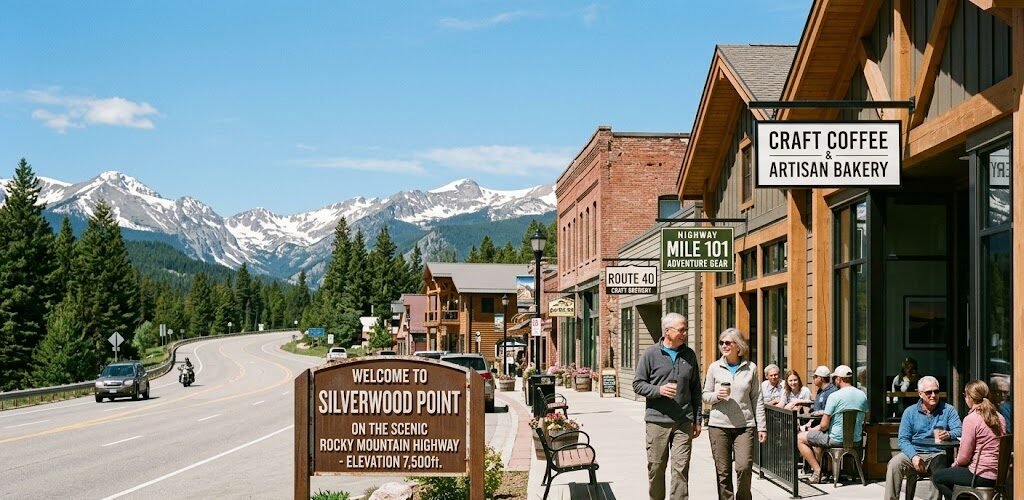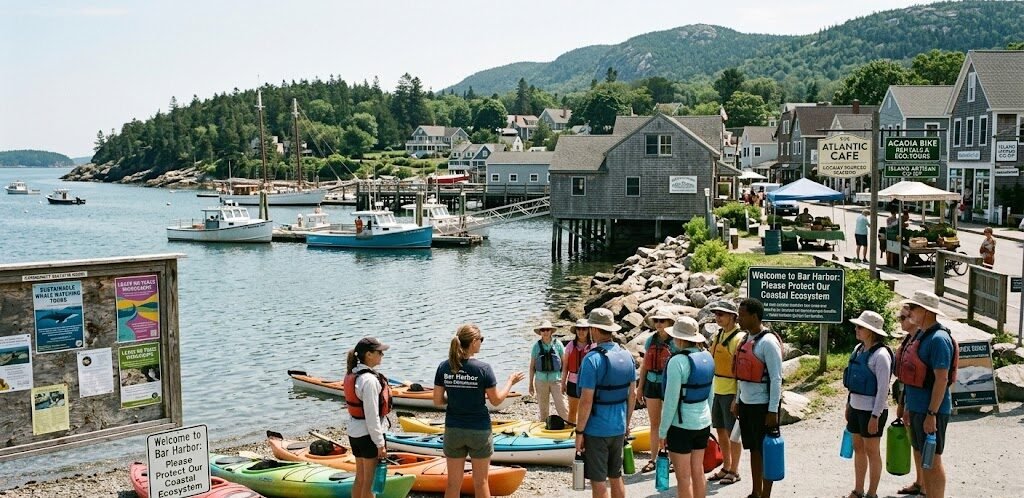
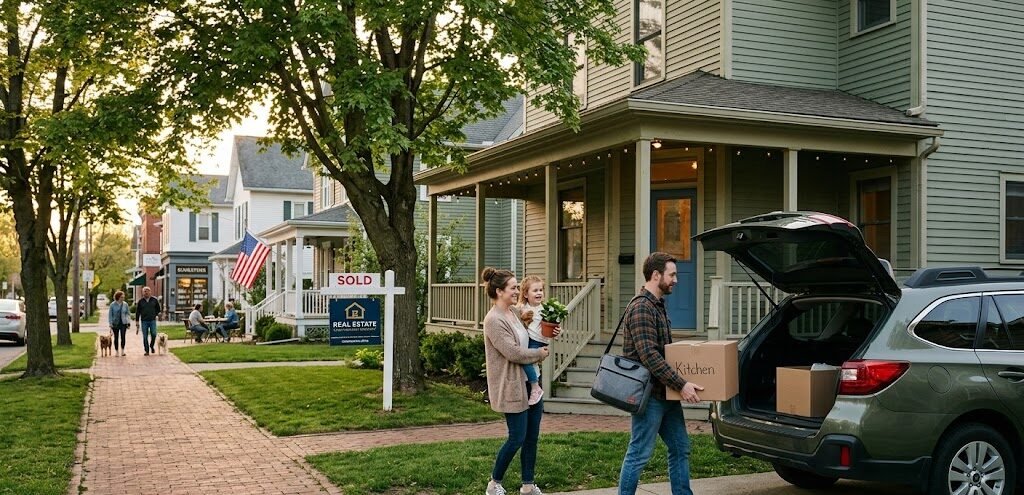
In recent years, the United States has witnessed a remarkable demographic shift as Americans increasingly abandon densely populated metropolitan areas in favor of smaller communities. This migration pattern represents a significant reversal of decades-long urbanization trends and signals a fundamental transformation in how Americans perceive quality of life, work opportunities, and community values.
The Scale of the Migration
Census data and migration studies reveal that small towns and rural communities are experiencing population growth rates not seen in generations. Mid-sized cities with populations between 50,000 and 250,000 residents have become particularly attractive destinations, offering a compelling middle ground between urban amenities and small-town charm. This demographic transition accelerated notably beginning in 2020, with migration patterns continuing to favor smaller communities through subsequent years.
Economic Factors Driving the Shift
The economic landscape has evolved dramatically, enabling this geographic redistribution of the American population. Several key factors have contributed to making small-town living financially viable:
- Remote Work Revolution: The widespread adoption of remote and hybrid work arrangements has severed the traditional connection between employment and physical location, allowing professionals to maintain urban salaries while residing in more affordable communities.
- Cost of Living Differential: Housing costs in major metropolitan areas have reached prohibitive levels for many Americans, while small towns offer significantly more affordable real estate options and lower overall living expenses.
- Entrepreneurial Opportunities: Small communities actively seek new businesses and often provide incentive programs, reduced regulatory burdens, and supportive local networks for entrepreneurs.
- Digital Infrastructure: Investments in high-speed internet and telecommunications infrastructure have made it possible to conduct sophisticated business operations from virtually anywhere.
Quality of Life Considerations
Beyond economic factors, Americans relocating to small towns consistently cite quality of life improvements as primary motivators. These communities offer shorter commute times, reduced traffic congestion, and lower crime rates compared to their urban counterparts. The ability to afford larger homes with outdoor space has become increasingly valuable, particularly for families with children and those seeking healthier lifestyles.
Environmental factors also play a significant role. Small-town residents typically enjoy better air quality, easier access to natural spaces, and opportunities for outdoor recreation. The slower pace of life and reduced daily stress associated with small-town living contribute to improved mental health outcomes and overall life satisfaction.
Community and Social Dynamics
The social fabric of small-town America presents distinctive characteristics that appeal to modern migrants. These communities typically feature:
- Stronger neighborhood connections and social cohesion
- Greater civic engagement and local participation
- More accessible local government and community leaders
- Enhanced sense of belonging and shared identity
- Improved safety and security for families
These social advantages represent a stark contrast to the anonymity and isolation that many experience in large cities, where meaningful community connections can be difficult to establish and maintain.
Challenges and Considerations
Despite the numerous advantages, migration to small-town America does present certain challenges that prospective residents must carefully evaluate. Limited access to specialized healthcare facilities, fewer educational options, and reduced cultural amenities remain valid concerns. Some small communities struggle with aging infrastructure, limited public transportation, and fewer employment opportunities for those unable to work remotely.
Additionally, newcomers may encounter adjustment periods as they integrate into established communities with long-standing social networks and traditions. Cultural differences between urban and rural areas can require patience and understanding from both longtime residents and new arrivals.
Impact on Small Towns
The influx of new residents brings both opportunities and challenges to receiving communities. Many small towns benefit from increased tax revenues, revitalized downtown districts, and enhanced economic activity. New residents often bring diverse skills, fresh perspectives, and entrepreneurial energy that can stimulate local economies and create employment opportunities.
However, rapid growth can strain existing infrastructure, inflate housing costs, and alter community character. Local governments must balance welcoming new residents while preserving the qualities that make their communities attractive destinations. Thoughtful planning and community engagement become essential to managing growth sustainably.
The Future of American Geography
This migration trend shows no signs of abating and may represent a permanent restructuring of American demographic patterns. As technology continues to advance and remote work becomes further normalized, the competitive advantages historically enjoyed by major metropolitan areas continue to diminish. Small towns that strategically invest in infrastructure, housing, and amenities position themselves to attract and retain new residents.
The implications extend beyond individual communities to broader questions about regional development, resource allocation, and national policy. This demographic shift may ultimately lead to more balanced regional growth, reduced pressure on overcrowded metropolitan areas, and renewed vitality for communities that had experienced decades of population decline.
Conclusion
The return to small-town America represents one of the most significant demographic trends of the early twenty-first century. Driven by economic opportunity, quality of life considerations, and technological advancement, this migration pattern challenges conventional assumptions about urban superiority and creates new possibilities for American community life. As this trend continues to evolve, it will reshape not only where Americans live but how they conceptualize home, community, and belonging in an increasingly connected world.