
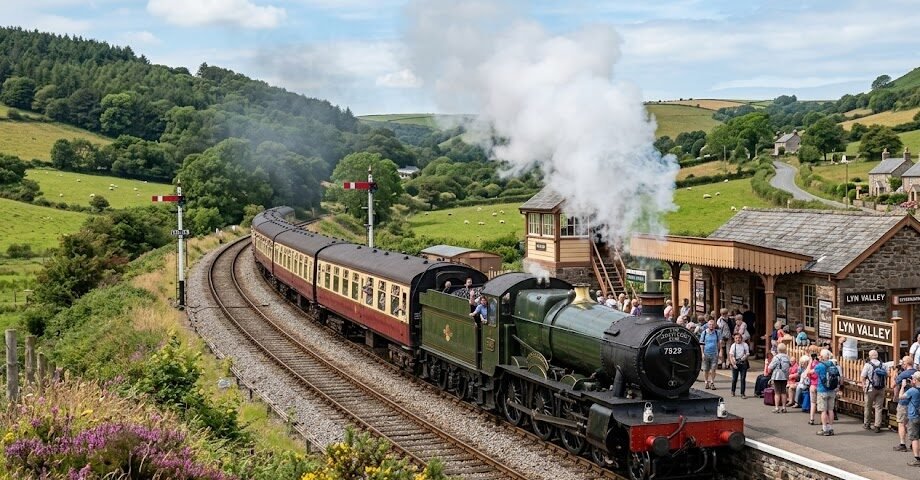
Heritage railways have emerged as powerful catalysts for economic development in rural communities, transforming quiet countryside regions into thriving tourist destinations. These preserved steam and vintage diesel railways offer more than nostalgic journeys through picturesque landscapes; they represent significant engines of sustainable tourism that benefit local economies, preserve cultural history, and create employment opportunities in areas that might otherwise struggle to attract visitors.
The Economic Impact of Heritage Railway Tourism
The preservation and operation of heritage railways have proven to be remarkably effective tools for rural economic regeneration. These historic rail lines attract millions of visitors annually, generating substantial revenue streams that ripple throughout surrounding communities. Tourists arriving to experience these railways typically spend money not only on tickets but also on accommodation, dining, shopping, and other local attractions, creating a multiplier effect that strengthens entire regional economies.
Research indicates that heritage railways can contribute tens of millions in economic value to their respective regions each year. This financial injection proves particularly valuable in rural areas where traditional industries such as agriculture and manufacturing may have declined, leaving communities searching for alternative sources of income and employment.
Employment Creation and Skills Preservation
Beyond direct tourism revenue, heritage railways serve as significant employers in rural regions. These operations require diverse staffing, including train drivers, engineers, maintenance workers, customer service personnel, hospitality staff, and administrative professionals. Many positions offer opportunities for local residents who might otherwise need to commute to urban centers for work.
Additionally, heritage railways play a crucial role in preserving traditional engineering skills and craftsmanship. Restoration and maintenance of vintage locomotives and rolling stock require specialized knowledge that would otherwise be lost. Apprenticeship programs and volunteer opportunities associated with these railways ensure that traditional railway engineering skills are passed to new generations, maintaining valuable technical heritage.
Supporting Local Business Development
The presence of a heritage railway creates numerous opportunities for complementary business development in surrounding areas. Bed and breakfast establishments, restaurants, cafes, gift shops, and tour operators frequently emerge or expand their operations to cater to railway tourists. Local artisans and craftspeople find new markets for their products, while farmers’ markets and regional food producers benefit from increased visitor traffic.
Many heritage railways actively collaborate with local businesses to create comprehensive tourism packages, enhancing the overall visitor experience while distributing economic benefits more widely throughout the community. These partnerships often include joint marketing initiatives, combination tickets, and coordinated events that maximize visitor engagement and spending.
Seasonal Extension and Year-Round Tourism
Heritage railways help extend tourist seasons in rural areas that might typically experience limited visitation periods. Through special events such as Christmas trains, autumn colour tours, dining experiences, and themed weekends, these railways attract visitors throughout the year rather than only during peak summer months. This seasonal distribution of tourists provides more stable income for local businesses and maintains employment levels across different times of the year.
Special event programming has become increasingly sophisticated, with many heritage railways offering murder mystery dinners, steam and beer festivals, photography days, and family-oriented experiences that appeal to diverse demographic groups and encourage repeat visitation.
Infrastructure Development and Community Benefits
The establishment and operation of heritage railways often drive improvements to rural infrastructure. Roads, signage, parking facilities, and public amenities typically receive upgrades to accommodate increased visitor numbers. These improvements benefit not only tourists but also local residents, enhancing quality of life and community facilities.
Furthermore, heritage railways frequently serve as focal points for community identity and pride. Local volunteers often contribute thousands of hours to railway preservation efforts, fostering community engagement and social cohesion. Railway stations often become community hubs, hosting events, exhibitions, and gatherings that strengthen local connections.
Educational and Cultural Value
Beyond their economic contributions, heritage railways provide significant educational opportunities. School groups regularly visit to learn about industrial history, engineering principles, and local heritage. Museums, interpretation centers, and guided experiences help visitors understand the historical significance of railways in regional development and national history.
This educational dimension adds depth to the tourism experience, encouraging longer visits and greater engagement with local history and culture. Many heritage railways have developed comprehensive educational programs aligned with national curriculum requirements, establishing themselves as valuable resources for formal education.
Environmental Considerations and Sustainable Tourism
Heritage railways represent a form of sustainable tourism that minimizes environmental impact while maximizing cultural and economic benefits. Many operations have implemented environmentally responsible practices, including waste reduction, energy efficiency measures, and habitat conservation programs. The railways themselves offer low-carbon transportation options for tourists exploring rural regions, potentially reducing automobile traffic and associated emissions.
The emphasis on preservation and restoration rather than new construction aligns with principles of sustainability, demonstrating how historic assets can be repurposed for contemporary economic benefit without requiring resource-intensive new development.
Challenges and Future Opportunities
Despite their success, heritage railways face ongoing challenges including maintenance costs, regulatory compliance, volunteer recruitment, and competition for tourist attention. However, these challenges are increasingly being addressed through innovative funding models, professional management approaches, and strategic marketing.
The future appears promising for heritage railway tourism, with growing interest in authentic, experience-based travel and increased appreciation for industrial heritage. Digital marketing, social media engagement, and collaboration with broader tourism networks position heritage railways to attract new generations of visitors while maintaining their core appeal to traditional enthusiasts.
As rural communities continue seeking sustainable economic development strategies, heritage railways stand out as proven models that successfully balance preservation, tourism, and community benefit, ensuring that these historic transportation corridors continue serving vital roles in regional prosperity.