The intersection of wildlife conservation and economic development presents a unique opportunity for rural communities worldwide. As traditional industries face challenges and populations seek sustainable livelihoods, the preservation of natural ecosystems has emerged as both an environmental imperative and an economic catalyst for growth in underserved regions.
The Economic Potential of Conservation-Based Development
Rural areas rich in biodiversity possess inherent value that extends far beyond ecological significance. When properly managed, wildlife conservation initiatives can generate substantial economic benefits through multiple revenue streams, including ecotourism, sustainable resource management, and ecosystem services. These opportunities provide alternatives to extractive industries that often deplete natural resources without creating long-term prosperity.
Communities that embrace conservation-oriented economic models frequently experience diversification of income sources, reduced vulnerability to market fluctuations, and enhanced social cohesion. The protection of wildlife habitats simultaneously preserves the natural capital upon which future generations will depend while creating immediate employment opportunities in sectors such as hospitality, guiding services, research support, and habitat management.
Ecotourism as a Driver of Rural Prosperity
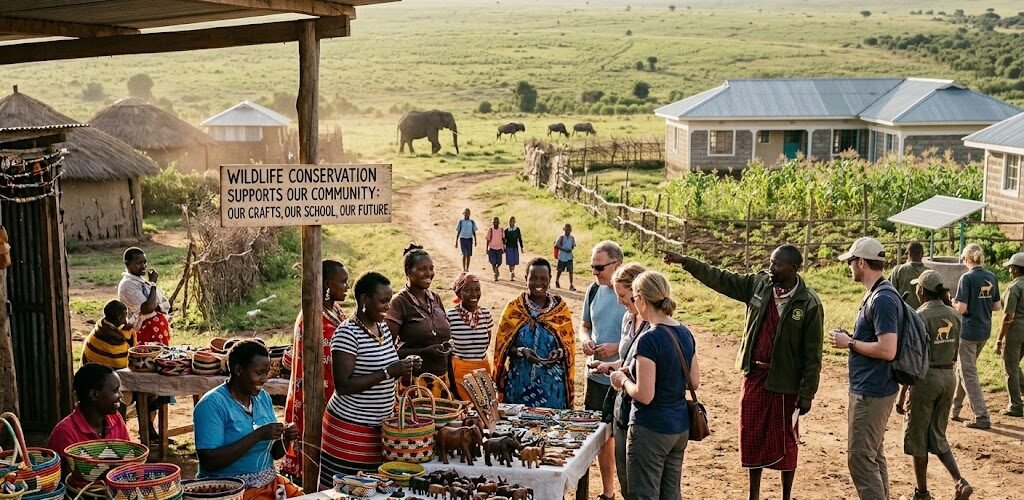
Ecotourism represents one of the most significant economic benefits associated with wildlife conservation. Visitors seeking authentic experiences in natural settings contribute substantially to local economies through accommodation, food services, transportation, and the purchase of locally-produced goods. This form of tourism typically attracts higher-spending visitors who remain longer in destinations and demonstrate greater cultural sensitivity.
The development of ecotourism infrastructure creates employment opportunities across skill levels, from wildlife guides and hospitality staff to artisans and cultural interpreters. Furthermore, ecotourism revenues often circulate within local communities more effectively than proceeds from conventional tourism, as smaller-scale operations tend to source supplies and services locally.
Community-Based Conservation Models
Successful integration of conservation and economic development requires active participation of local communities in decision-making processes. Community-based conservation models recognize that rural populations possess invaluable traditional knowledge and have the greatest stake in the sustainable management of their natural resources.
These collaborative approaches typically involve:
- Shared governance structures that include community representatives in conservation planning
- Equitable distribution of revenues generated from wildlife-related activities
- Capacity-building programs that develop local expertise in conservation and business management
- Recognition of customary rights and traditional resource use practices
- Investment of conservation revenues in community infrastructure and social services
Payment for Ecosystem Services
An increasingly recognized mechanism for linking conservation with economic benefit involves payment for ecosystem services (PES). Rural communities that maintain forests, wetlands, and other critical habitats provide invaluable services including carbon sequestration, water purification, flood control, and pollination. PES programs compensate landowners and communities for preserving these functions, creating direct financial incentives for conservation.
Such programs have demonstrated particular effectiveness in areas where traditional agriculture or resource extraction provides marginal returns. By monetizing the ecological services that healthy ecosystems provide, PES schemes offer economically viable alternatives to environmentally destructive practices.
Challenges and Mitigation Strategies
Despite substantial potential, the integration of conservation and rural economic development faces numerous obstacles. Human-wildlife conflict represents a persistent challenge, particularly where large predators or crop-raiding species threaten livelihoods. Effective mitigation requires comprehensive strategies including compensation schemes, protective infrastructure, and wildlife corridors that minimize negative interactions.
Additional challenges include:
- Insufficient initial capital for developing conservation-based enterprises
- Limited access to markets for ecotourism and sustainable products
- Inadequate infrastructure in remote rural areas
- Competition from extractive industries offering immediate financial returns
- Unclear land tenure and resource rights
Addressing these obstacles requires coordinated efforts among governmental agencies, non-governmental organizations, private sector partners, and local communities. Investment in capacity building, infrastructure development, and market linkages proves essential for creating enabling environments where conservation-based economies can flourish.
Supporting Policy Frameworks
Government policies play a crucial role in determining whether wildlife conservation contributes meaningfully to rural economic development. Progressive policy frameworks recognize conservation not as a constraint on development but as a foundation for sustainable prosperity. Effective policies provide legal protection for critical habitats while ensuring that communities benefit tangibly from conservation efforts.
Key policy elements include secure land tenure for communities engaged in conservation, streamlined procedures for establishing conservation enterprises, tax incentives for sustainable businesses, and investment in education and training programs that prepare rural populations for conservation-related employment.
Measuring Success and Long-Term Sustainability
Evaluating the effectiveness of conservation-based economic development requires metrics that encompass both ecological and socioeconomic dimensions. Successful initiatives demonstrate measurable improvements in wildlife populations and habitat quality alongside tangible benefits for human communities, including increased household incomes, improved access to education and healthcare, and enhanced food security.
Long-term sustainability depends upon maintaining this dual focus, ensuring that neither conservation goals nor community welfare are sacrificed for the other. Adaptive management approaches that respond to changing conditions and incorporate feedback from all stakeholders prove most resilient over time.
Future Prospects
As global awareness of biodiversity loss intensifies and demand for sustainable tourism experiences grows, rural areas with intact ecosystems are increasingly well-positioned to benefit economically from conservation. Climate change considerations further enhance the value of natural carbon sinks and resilient ecosystems, potentially expanding funding opportunities for conservation initiatives.
The convergence of environmental necessity and economic opportunity presents rural communities with pathways toward prosperity that honor both cultural heritage and ecological integrity. By recognizing wildlife conservation not as an impediment to development but as a cornerstone of sustainable economic growth, societies can create models of rural prosperity that endure for generations to come.