
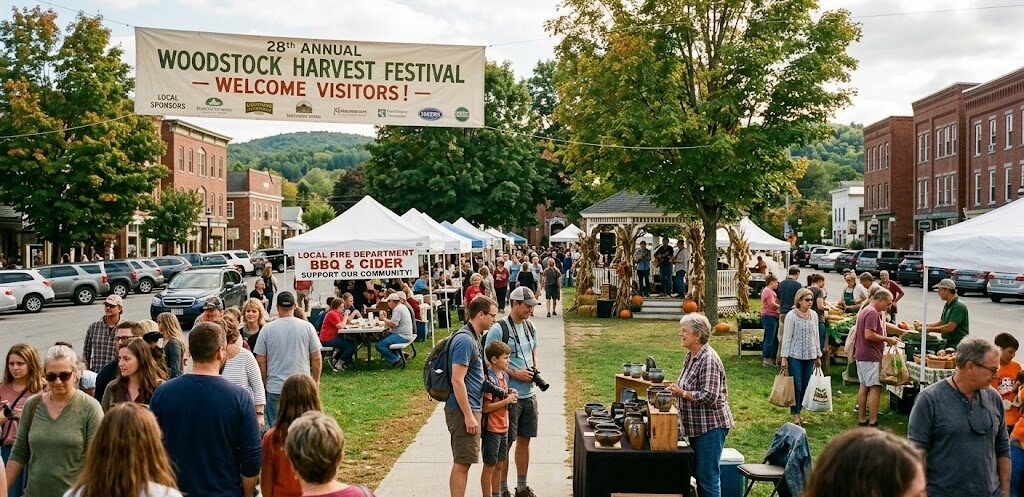
Rural communities worldwide are discovering an innovative pathway to economic revitalization through the strategic development and promotion of community festivals. These cultural gatherings serve as powerful catalysts for tourism growth, transforming quiet villages and countryside regions into vibrant destinations that attract visitors from near and far.
The Economic Impact of Festival Tourism
Community festivals generate substantial economic benefits for rural areas that often struggle with limited revenue streams. When visitors attend these celebrations, they contribute to the local economy through multiple channels including accommodation bookings, restaurant patronage, retail purchases, and transportation services. The multiplier effect of festival spending creates a ripple of prosperity that extends well beyond the event dates themselves.
Research demonstrates that festival attendees typically spend significantly more than average day-trippers, particularly when events span multiple days. This increased expenditure provides rural businesses with crucial income that sustains operations throughout slower periods of the year.
Preserving Cultural Heritage While Promoting Growth
Community festivals serve a dual purpose by simultaneously preserving traditional customs and driving economic development. These events showcase regional heritage, including:
- Traditional crafts and artisan techniques
- Local culinary specialties and food traditions
- Historical performances and cultural demonstrations
- Indigenous music and dance forms
- Regional folklore and storytelling practices
By presenting authentic cultural experiences, rural communities differentiate themselves from urban tourism offerings and create compelling reasons for travelers to venture beyond metropolitan areas.
Building Community Identity and Pride
The organization and execution of successful festivals strengthens community bonds and fosters collective pride among residents. Local volunteers, businesses, and civic organizations collaborate to create memorable experiences, developing valuable skills in event management, marketing, and hospitality. This collaborative spirit often extends beyond festival planning, catalyzing other community improvement initiatives.
Furthermore, festivals provide residents with opportunities to showcase their home regions, transforming them into ambassadors who actively promote their communities long after events conclude.
Extending Tourism Seasons
Strategic festival scheduling addresses one of rural tourism’s most persistent challenges: seasonality. By hosting events during traditionally quiet periods, communities can:
- Distribute tourist traffic more evenly throughout the year
- Generate revenue during off-peak seasons
- Maintain year-round employment for tourism workers
- Reduce the economic volatility associated with seasonal fluctuations
Well-timed festivals transform perceived disadvantages, such as harvest seasons or winter conditions, into unique selling propositions that attract niche market segments.
Leveraging Digital Marketing and Social Media
Modern community festivals benefit tremendously from digital promotion strategies that amplify their reach far beyond traditional geographic limitations. Social media platforms enable festivals to generate anticipation, share real-time updates, and encourage user-generated content that serves as authentic testimonials.
Successful festivals create shareable moments—visually striking displays, unique culinary offerings, or interactive experiences—that attendees naturally document and distribute through their personal networks. This organic promotion proves invaluable for rural communities with limited marketing budgets.
Infrastructure Development and Long-term Benefits
The preparation for hosting festivals often necessitates infrastructure improvements that yield lasting benefits for rural communities. Enhanced parking facilities, improved signage, upgraded public amenities, and better connectivity serve both visitors and residents long after festivals conclude.
Additionally, the visibility generated by successful festivals attracts further investment, as entrepreneurs and developers recognize the economic potential of tourism-friendly rural destinations.
Creating Collaborative Networks
Festival development encourages partnerships between rural communities, regional tourism boards, government agencies, and private sector stakeholders. These collaborative networks facilitate knowledge sharing, resource pooling, and coordinated marketing efforts that benefit entire regions rather than isolated communities.
Such cooperation enables smaller communities to participate in festival circuits or themed trails that attract tourists interested in experiencing multiple related events across broader geographic areas.
Challenges and Sustainability Considerations
While community festivals offer tremendous opportunities, rural organizers must navigate various challenges to ensure sustainable growth. Capacity management prevents overcrowding that can damage the visitor experience and strain local resources. Environmental stewardship ensures that increased tourism doesn’t compromise the natural assets that attract visitors initially.
Successful festival models incorporate:
- Careful attendance monitoring and management
- Waste reduction and recycling programs
- Protection of natural and cultural resources
- Balanced development that respects community character
- Inclusive planning that involves diverse stakeholder perspectives
Measuring Success Beyond Revenue
Although economic indicators provide important metrics, comprehensive evaluation of festival impact should encompass broader measures including enhanced community cohesion, increased cultural pride, skill development among residents, and improved quality of life indicators. These intangible benefits often prove as valuable as direct revenue generation in sustaining rural vitality.
Future Outlook for Festival-Driven Rural Tourism
The trajectory for community festivals as drivers of rural tourism remains exceptionally promising. Growing consumer interest in authentic experiences, cultural immersion, and meaningful connections aligns perfectly with what rural festival tourism offers. As urban populations seek respite from metropolitan environments, well-executed community festivals provide compelling alternatives that satisfy desires for novelty, authenticity, and connection.
Rural communities that invest strategically in festival development, maintain cultural authenticity, and prioritize sustainable practices position themselves advantageously for long-term tourism success. The festivals that thrive will be those that balance economic objectives with cultural preservation, community wellbeing, and environmental responsibility.
Community festivals represent more than temporary events; they embody a sustainable approach to rural development that honors heritage while embracing economic opportunity. For rural regions seeking to revitalize their economies and strengthen their communities, festival tourism offers a proven pathway toward prosperity and renewed vitality.