
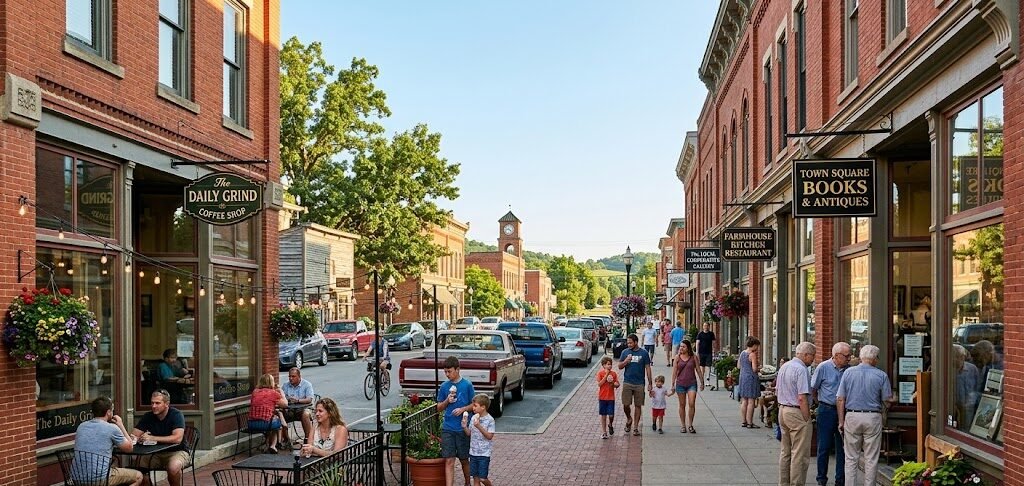
The revitalization of rural main streets across America represents one of the most significant community development movements of the 21st century. As small towns face economic pressures and population shifts, forward-thinking communities are rediscovering the value of their historic downtown districts, transforming them into vibrant centers of commerce, culture, and community identity.
The Importance of Historic Downtown Districts
Historic main streets serve as the economic and cultural hearts of rural communities. These downtown areas embody decades or even centuries of local history, architecture, and social gathering spaces. When properly maintained and revitalized, they provide numerous benefits including increased property values, enhanced tourism revenue, job creation, and strengthened community identity.
The architectural character of historic buildings creates an authentic sense of place that cannot be replicated by modern strip malls or suburban development. This authenticity has become increasingly valuable in an era where consumers seek genuine experiences and meaningful connections to local heritage.
Key Elements of Successful Downtown Revival
Preservation and Adaptive Reuse
Successful downtown revival projects prioritize the preservation of historic structures while adapting them for contemporary uses. This approach involves:
- Restoring original architectural features such as facades, windows, and signage
- Updating building interiors to meet modern safety codes and accessibility standards
- Converting upper floors of commercial buildings into residential lofts or office spaces
- Maintaining the historic streetscape while improving infrastructure
Strategic Planning and Community Engagement
Communities that achieve lasting success with downtown revitalization invest significant time and resources in comprehensive planning processes. Effective strategies include conducting market analyses, establishing design guidelines, creating business recruitment plans, and fostering broad community participation in decision-making.
Engaging local residents, business owners, property owners, and civic organizations ensures that revival efforts reflect genuine community needs and aspirations rather than imposed external visions.
Public-Private Partnerships
The most successful rural main street revivals leverage partnerships between municipal governments, private investors, nonprofit organizations, and state or federal programs. These collaborations pool resources, share risks, and coordinate efforts to achieve outcomes that no single entity could accomplish independently.
Proven Strategies for Main Street Success
Façade Improvement Programs
Many communities implement façade improvement programs that provide matching grants or low-interest loans to building owners for exterior renovations. These programs create visible momentum for downtown improvement while preserving architectural integrity. When multiple buildings undergo restoration simultaneously, the cumulative impact transforms the entire streetscape.
Business Incubation and Entrepreneurship Support
Thriving main streets require viable businesses. Progressive communities establish programs to support local entrepreneurs, including:
- Business development training and mentorship
- Access to startup capital through revolving loan funds
- Reduced rent programs for new businesses in vacant storefronts
- Marketing and promotional assistance
Cultural Programming and Events
Regular events and cultural programming draw residents and visitors downtown, creating foot traffic that supports local businesses. Successful communities organize farmers markets, art walks, music festivals, holiday celebrations, and other recurring events that establish downtown as a destination for social gathering and entertainment.
Infrastructure and Amenities
Modern main streets must balance historic character with contemporary expectations for comfort and convenience. Essential improvements include:
- Pedestrian-friendly sidewalks, crosswalks, and lighting
- Public parks, plazas, and gathering spaces
- Adequate parking that doesn’t dominate the streetscape
- Public restrooms and wayfinding signage
- Free Wi-Fi access throughout downtown
Case Studies in Rural Downtown Success
Small Town Transformations
Numerous rural communities across the nation have achieved remarkable downtown revivals through dedicated effort and strategic investment. These success stories share common elements: strong local leadership, sustained commitment over multiple years, willingness to experiment and adapt, and celebration of unique local assets rather than imitation of other places.
Communities that embrace their distinctive history, culture, and character create authentic destinations that attract both residents and visitors. This authenticity proves more valuable than attempting to recreate generic commercial environments that could exist anywhere.
Economic Impact and Community Benefits
The economic benefits of downtown revitalization extend far beyond the immediate commercial district. Property values increase throughout surrounding neighborhoods, municipal tax revenues grow, and new employment opportunities emerge. Local businesses supported by downtown revival efforts typically generate greater economic multiplier effects than national chain stores, as locally-owned enterprises reinvest more money within the community.
Beyond economics, revitalized main streets strengthen social capital by providing gathering places where residents of different ages, backgrounds, and interests interact regularly. These interactions build community cohesion and civic engagement that benefit towns in countless ways.
Overcoming Common Challenges
Funding and Financial Sustainability
Securing adequate funding represents one of the primary challenges facing downtown revival efforts. Successful communities diversify their funding sources by combining municipal investment, state and federal grants, private donations, foundation support, and revenue from special assessment districts or tax increment financing.
Building Owner Cooperation
Absentee or reluctant property owners can impede revitalization efforts. Communities address this challenge through combination of incentives, technical assistance, public recognition programs, and when necessary, code enforcement to address properties that threaten public safety or significantly detract from downtown appearance.
Balancing Change and Preservation
Finding the appropriate balance between preserving historic character and accommodating necessary change requires ongoing dialogue and thoughtful design review. Flexible design guidelines that emphasize principles rather than prescriptive rules typically prove most effective.