
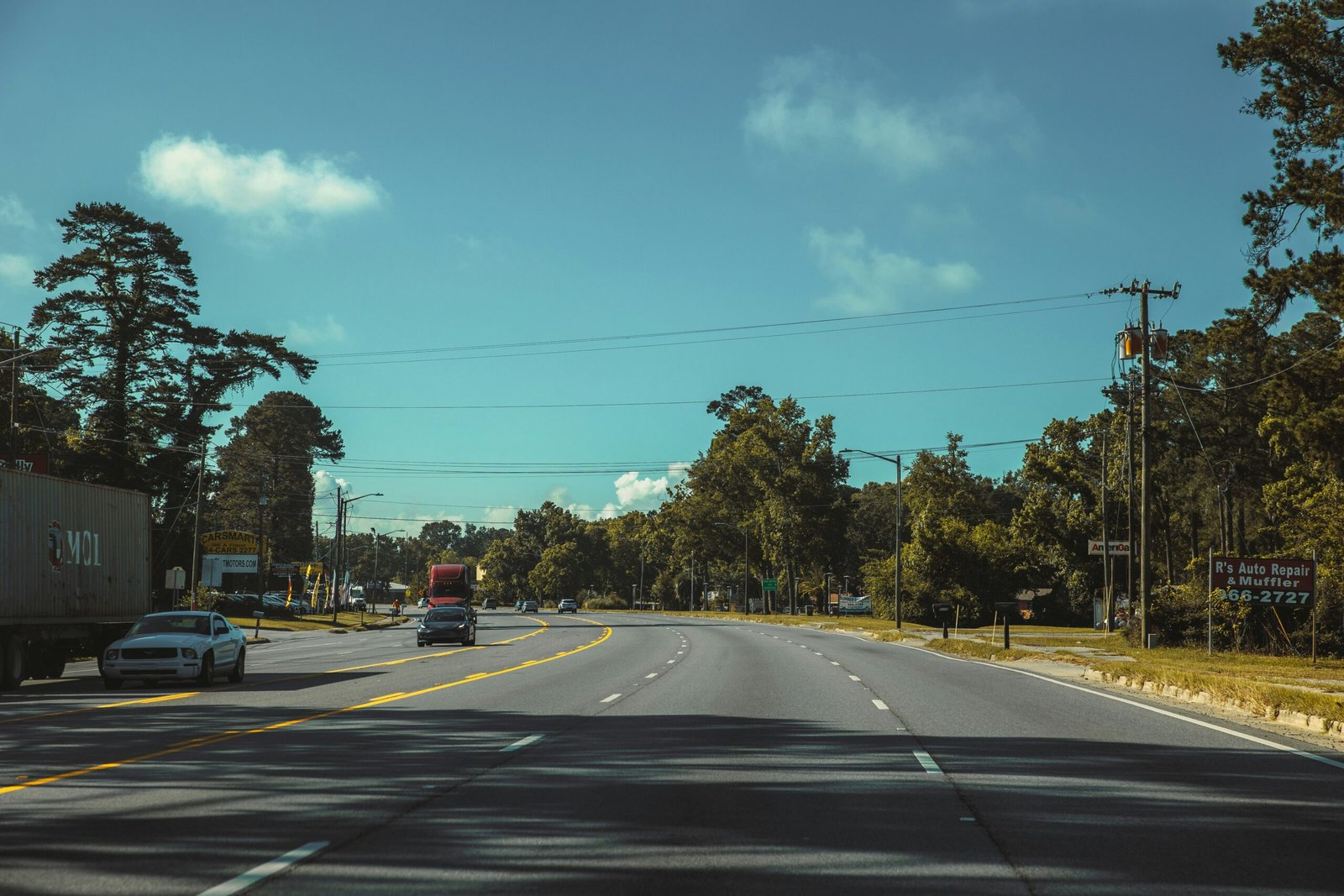
A recent crash on Highway 26 near Warrenton, Oregon, has brought renewed focus to traffic safety along one of the area’s busiest travel routes. As officials review the details of the incident, the situation has sparked wider conversations about road conditions, driver awareness, and the broader effects accidents can have on coastal communities. Highway 26 is a vital connection between inland parts of the state and the North Coast, supporting daily commuters, commercial transport, and a steady flow of seasonal visitors.
Highway 26: A Vital but Challenging Corridor
It plays an essential role in Warrenton’s connectivity, supporting local commerce, tourism, and emergency access. Its importance also brings challenges.
Key characteristics of the corridor include:
- High traffic volumes during peak travel seasons
- A mix of local, commercial, and visitor drivers
- Variable weather conditions, including rain and fog
- Sections where speed, visibility, and traffic flow converge
These factors increase the need for heightened safety awareness.
Immediate Community Impacts
Even a single traffic incident can have ripple effects throughout the Warrenton area. Road closures or slowdowns affect more than just drivers involved in the crash.
Community impacts often include:
- Delays for commuters and commercial transport
- Disruptions to emergency response routes
- Increased congestion on secondary roads
- Strain on local law enforcement and first responders
For small coastal communities, these disruptions are felt quickly and widely.
Emergency Response and Coordination
Local emergency services play a critical role in responding to highway incidents. Coordination between law enforcement, fire departments, medical responders, and transportation agencies is essential for managing scenes safely and restoring traffic flow.
Response priorities typically focus on:
- Ensuring the safety of those involved
- Preventing secondary collisions
- Clearing debris and damaged vehicles
- Communicating updates to the public
Such responses highlight the importance of well-resourced emergency infrastructure.
Ongoing Safety Concerns Along the Route
The crash has renewed conversations about long-standing safety concerns on Highway 26, including speed management, driver fatigue, and seasonal traffic surges.
Areas often raised by residents and officials include:
- The need for continued roadway maintenance
- Clear signage and visibility improvements
- Public education on safe driving conditions
- Data-driven assessments of high-risk segments
Improving safety requires both infrastructure investment and behavioral change.
Transportation Planning and Prevention
Transportation agencies regularly analyze crash data to identify trends and prevention strategies. Incidents like this one contribute to broader evaluations of roadway design and safety measures.
Potential prevention efforts may involve:
- Enhanced traffic monitoring
- Targeted enforcement during peak periods
- Public safety campaigns
- Long-term infrastructure upgrades
Preventive planning is essential to reducing future incidents.
Community Awareness and Responsibility
Local officials continue to emphasize the role drivers play in maintaining roadway safety. Awareness of conditions, adherence to speed limits, and cautious driving, especially during adverse weather, remain critical.
Community safety depends on:
- Individual responsibility behind the wheel
- Respect for shared roadways
- Attention to changing coastal conditions
Small actions can significantly reduce risk.
Conclusion
The recent Highway 26 crash near Warrenton serves as a reminder of the importance of traffic safety on vital coastal routes. While investigations determine the specifics, the broader conversation centers on prevention, preparedness, and community resilience. As Warrenton continues to grow and attract visitors, maintaining safe and reliable transportation corridors will remain a shared priority for residents, agencies, and travelers alike.
Photo by Diane Picchiottino on Unsplash