Warrenton, Oregon, may be a small coastal city, but its relationship with seafood runs deep and wide. Located near the mouth of the Columbia River, just minutes from the Pacific Ocean, Warrenton sits at one of the most productive and historically significant fishing regions in the United States. For generations, seafood has shaped the city’s economy, culture, and identity, making it far more than just a menu item; it is a way of life. Commercial fishing, seafood processing, and related maritime industries continue to support local livelihoods and sustain the regional economy. The city’s proximity to rich fishing grounds ensures access to fresh catches such as salmon, Dungeness crab, and shellfish year-round. Today, Warrenton’s seafood heritage remains closely tied to sustainable fishing practices and the preservation of its coastal traditions.
A Strategic Coastal Location
Warrenton’s proximity to the Columbia River and the Pacific Ocean gives it access to a unique blend of freshwater and saltwater ecosystems. This meeting point creates ideal conditions for a wide variety of fish and shellfish species. Salmon, Dungeness crab, tuna, halibut, and shrimp are among the most valuable catches tied to the region. The river itself has long been famous for its salmon runs, while the nearby ocean supports robust commercial fisheries.
This strategic location has made Warrenton a vital support hub for fishing operations centered in nearby Astoria and surrounding coastal towns. Processing facilities, cold storage, shipyards, and distribution networks in and around Warrenton help move seafood from boat to market efficiently, maintaining freshness and quality.
A History Rooted in Fishing
Seafood has been part of Warrenton’s story since its earliest days. Indigenous communities relied on the Columbia River’s fish long before European settlement. Later, commercial fishing expanded rapidly in the late 19th and early 20th centuries as canneries, docks, and maritime industries grew along the coast.
Although the fishing industry has modernized, the legacy remains visible today. Many families in Warrenton still have multi-generation ties to fishing, boat repair, seafood processing, and related trades. This continuity has helped preserve traditional knowledge while adapting to modern sustainability standards and technology.
Commercial Fishing and Processing
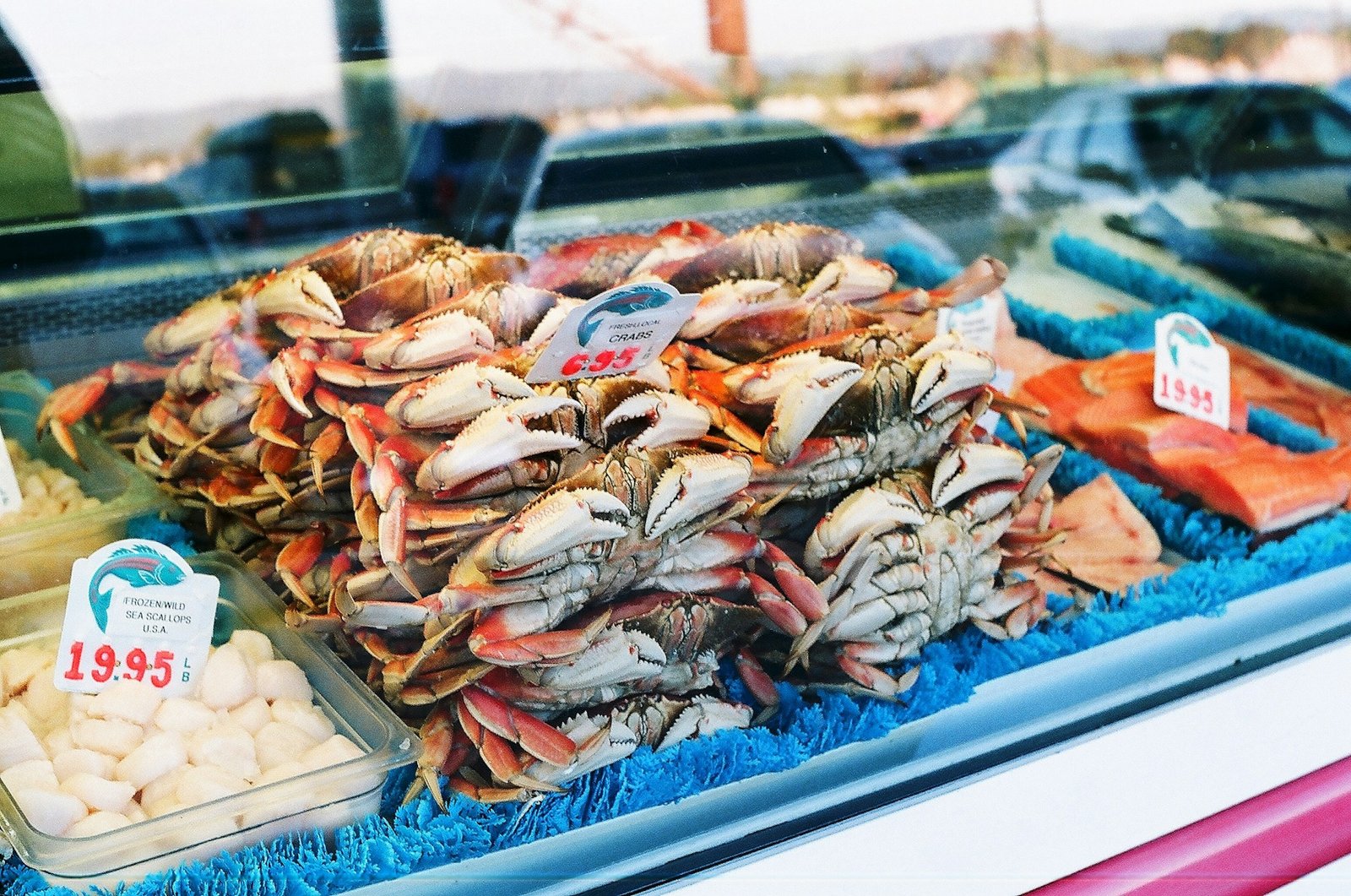
While Warrenton itself is not a large fishing port, it plays an essential role in the seafood supply chain. The city hosts industrial zones where seafood processing, packaging, and cold storage facilities operate year-round. These facilities support both domestic consumption and export markets, especially for premium products like wild-caught salmon and Dungeness crab.
Advances in seafood handling, freezing technology, and logistics have allowed Warrenton-connected businesses to serve customers far beyond Oregon. Freshness, traceability, and food safety are top priorities, ensuring that seafood harvested from the Pacific reaches consumers in peak condition.
Sustainability and Stewardship
Modern seafood operations linked to Warrenton increasingly emphasize sustainability. Fisheries along the Oregon coast are among the most highly regulated in the world, with strict quotas, seasonal controls, and monitoring programs designed to protect fish populations and marine habitats.
Local stakeholders understand that the future of seafood depends on responsible management. Many fishermen and processors support science-based regulations and participate in conservation efforts. This balance between economic activity and environmental protection helps ensure that Warrenton’s seafood industry remains viable for future generations.
Seafood and the Local Food Scene
Seafood also plays a starring role in the local dining culture. Restaurants in and around Warrenton proudly feature Pacific Northwest specialties, highlighting the freshness and flavor of locally sourced fish and shellfish. From simple fish and chips to expertly prepared salmon and crab dishes, seafood connects residents and visitors directly to the ocean.
Seasonal seafood festivals, markets, and community events further celebrate this connection. These gatherings showcase not only the food itself but also the people behind it, the fishermen, processors, and workers who bring seafood from the water to the table.
Economic Impact on the Community
The seafood industry contributes significantly to Warrenton’s local economy. Jobs related to fishing, processing, transportation, equipment maintenance, and quality control support hundreds of workers directly and indirectly. This economic activity helps stabilize the community, especially in a region where seasonal tourism can fluctuate.
Seafood-related businesses also encourage infrastructure investment, including port facilities, roads, and cold-chain logistics. These improvements benefit other industries as well, strengthening Warrenton’s overall economic resilience.
Looking to the Future
As consumer demand for traceable, sustainably sourced seafood grows, Warrenton is well-positioned to adapt. Innovations in packaging, cold storage, and digital tracking are already reshaping how seafood moves through the supply chain. Climate change, shifting fish populations, and regulatory challenges remain ongoing concerns, but the region’s long experience with adaptation offers reason for optimism.
Warrenton’s future is closely tied to the health of the ocean and the strength of its seafood industry. By honoring its maritime heritage while embracing innovation and sustainability, the city continues to play a quiet but crucial role in the Pacific Northwest’s seafood story.
Conclusion
Warrenton may not always be in the spotlight, but its connection to seafood is profound and enduring. From its strategic coastal location and historical roots to modern processing, sustainability efforts, and community culture, seafood remains a defining element of the city’s identity. In Warrenton, the ocean is not just nearby; it is woven into everyday life, shaping the past, present, and future of this coastal Oregon community. Local fishermen, seafood workers, and families continue to pass down knowledge and traditions that keep the city’s maritime heritage alive. As coastal challenges and environmental changes evolve, Warrenton’s commitment to responsible seafood practices ensures its ocean-driven legacy will endure for generations to come.