For many Americans, the Oregon Trail exists as a line on a map or a chapter in a history book. Yet near the northwestern edge of Oregon, the legacy of westward migration remains quietly embedded in daily life. Warrenton, located close to where overland journeys once met the Pacific Ocean, offers a living example of how communities carried the Oregon Trail’s spirit beyond the moment of arrival. Rather than commemorating the trail through monuments alone, Warrenton preserves its legacy through continuity, work, settlement, and connection to the land and sea. Everyday activities from fishing and maritime trades to small-town traditions reflect patterns of resilience and adaptation first shaped by early settlers. This continuity links past and present, showing how the story of westward expansion did not end at the shoreline but evolved into lasting community life.
Beyond Arrival: Where the Journey Became a Life
For pioneers who reached the Pacific Northwest, the end of the Oregon Trail was not a conclusion but a transition. Many families moved north and west from the Willamette Valley toward the Columbia River and the coast, seeking opportunity in fishing, shipping, and trade.
Warrenton became part of this next chapter:
- A place to establish permanent homes after months of travel
- A working coastal community tied to maritime livelihoods
- A settlement shaped by function, not spectacle
Here, the trail’s legacy shifted from movement to rootedness.
Daily Life Shaped by Early Settlement
The rhythms of life in Warrenton still reflect patterns set by early settlers’ self-reliance, adaptability, and reliance on natural resources. Fishing, boat repair, coastal defense, and logistics defined the town’s early economy and continue to influence its identity today.
This continuity is visible in:
- Multi-generational families connected to maritime trades
- A strong sense of place tied to the Columbia River and coastline
- Community values centered on practicality and cooperation
Rather than preserving history behind glass, Warrenton lives it.
Preservation Through Use, Not Performance
Unlike destinations that commemorate westward expansion through reenactments or themed attractions, Warrenton’s preservation is understated. Historic structures, working waterfronts, and nearby sites like Fort Stevens exist alongside modern life, reinforcing the idea that history does not need to be staged to be remembered.
This approach reflects the original settlers’ mindset:
- Build what is needed
- Adapt to the environment
- Carry forward what works
It is a legacy preserved through function rather than celebration.
Connection to Land, Water, and Movement
The Oregon Trail was ultimately about movement across plains, rivers, and mountains. In Warrenton, that movement continued into maritime life. The ocean replaced the trail, and boats replaced wagons, but the relationship with risk, labor, and uncertainty remained.
Today’s Warrenton still embodies this connection:
- Proximity to one of the nation’s most dynamic river systems
- Ongoing ties to fishing, shipping, and coastal infrastructure
- A lived awareness of nature’s power and unpredictability
These elements echo the pioneer experience in modern form.
Why Warrenton’s Story Matters
Warrenton’s role near the end of the Oregon Trail reminds us that history is not only defined by famous endpoints or iconic landmarks. It is also shaped by the communities that absorbed settlers, sustained livelihoods, and quietly carried the nation forward. In places like Warrenton, the legacy of expansion lives on through everyday work, family life, and long-standing ties to the land and water rather than through grand memorials. By continuing to function as a working coastal town, Warrenton preserves America’s westward story practically and authentically. Its fishing fleets, maritime services, and community institutions reflect generations of adaptation and continuity, showing how settlement evolved into stability. This living connection to the past offers a grounded perspective on history, not as distant nostalgia, but as an ongoing experience woven into the rhythms of daily life
A Legacy Still in Motion
Life near the end of the Oregon Trail did not stop in the 19th century. In Warrenton, it evolved. The same qualities that drew settlers west, resilience, adaptability, and a connection to opportunity, remain visible today. These traits continue to shape the town’s economy, community spirit, and relationship with the surrounding coastal environment. Modern industries, local traditions, and everyday livelihoods reflect a place that carries its history forward while adjusting to new challenges and opportunities.
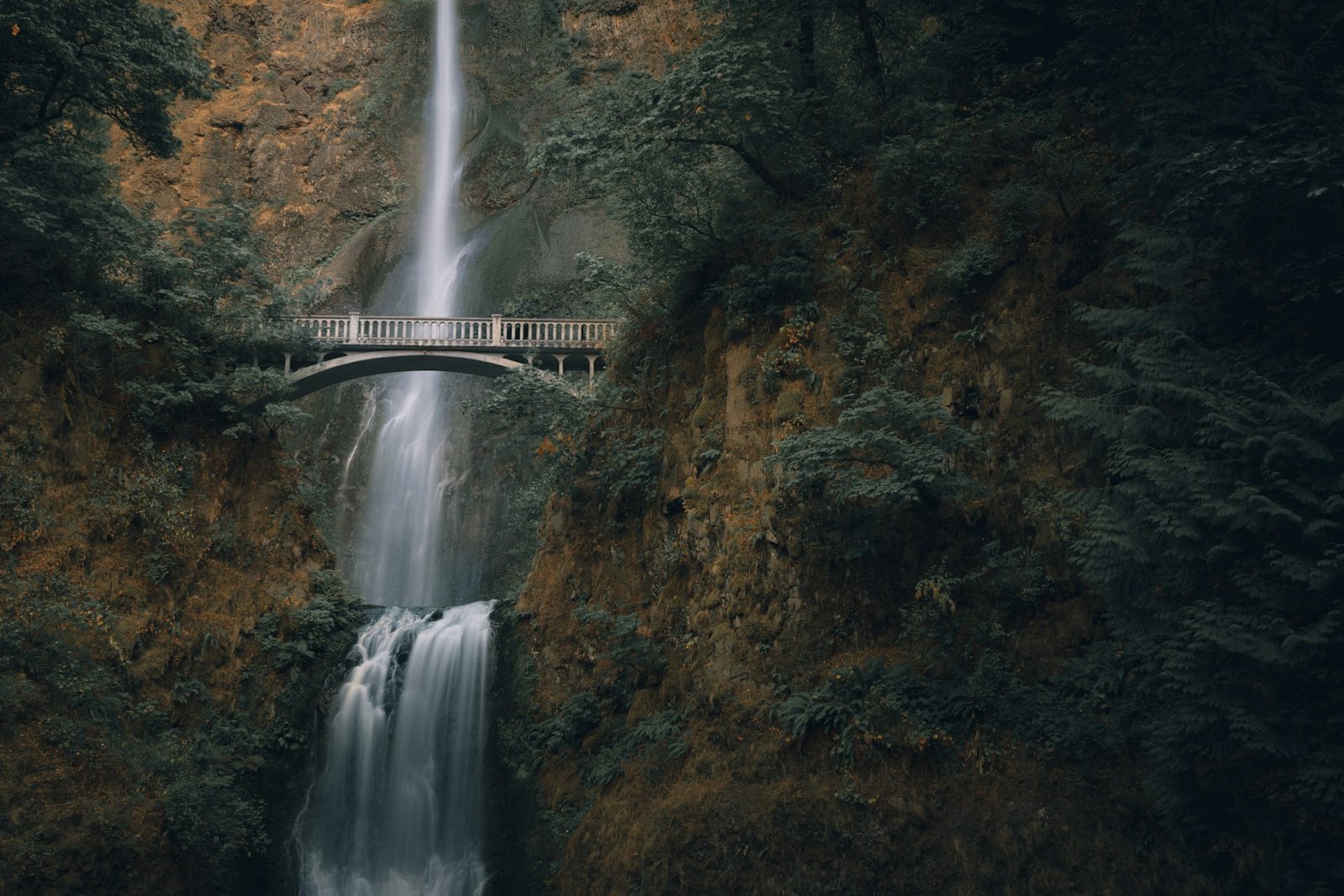
Photo by Cristofer Maximilian on Unsplash