Fauquier County’s rural charm is attracting a surge of homebuyers. Warrenton real estate is growing as DC commuters move west for more affordable housing. Home prices have risen to around $880,000, and houses sell quickly. This shift is reshaping the area’s social and economic landscape. Demand continues to increase as more buyers seek space and a quieter lifestyle. Local communities are adapting to growth while trying to preserve their historic character.
The Commuter Belt Expansion: Why Warrenton Real Estate Is Booming
Warrenton real estate is growing due to Washington D.C.’s expanding commuter reach. Located about 45 miles from the capital, the town has become more accessible as remote and hybrid work make longer commutes manageable. Buyers are choosing space and affordability over proximity.
This trend reflects the “donut effect,” where demand shifts from city centers to surrounding areas. Warrenton stands out by offering small-town charm, historic character, and a strong community identity. Buyers are drawn not just to homes, but to a unique lifestyle.
The market is highly competitive, with homes selling quickly and often near asking price. Multiple offers are common, showing strong demand. Warrenton is no longer just a rural town—it has become an important part of the commuter network.
Price Pressure and Affordability Crisis in Warrenton Real Estate
While Warrenton Real Estate values soar, the consequences ripple through the local community. The median home price of $880,000, up significantly from just a few years ago, places homeownership beyond reach for many who work in the town’s service economy. Restaurant staff, retail workers, teachers, and first responders find themselves priced out of the very community they serve.
This Warrenton Real Estate affordability crisis has prompted urgent responses from local government and nonprofits. The Warrenton Town Council recently approved Hero’s Bridge Village, a 44-unit affordable housing development for senior veterans on land owned by Warrenton United Methodist Church. The project, which required contentious rezoning from low-density residential to planned unit development, represents the first significant affordable housing initiative in recent memory. With 30 veterans already on the waitlist, some of whom have died waiting, the need is undeniable.
Similarly, the Broadview Avenue mixed-use development approved in August 2024 will include nearly 400 townhouses and apartments, with over 50 units designated as affordable housing. Percy Sampson, aquatics supervisor at the Warrenton Aquatics and Recreational Facility, captured the demographic shift: “Right now, the population is more older adults or families. I think the new apartment complex will be more accessible for low-income households or younger adults.” These Warrenton Real Estate developments acknowledge that market-rate construction alone cannot sustain a diverse community.
Development Tensions: Balancing Growth and Preservation
The Warrenton real estate boom has sparked debates about the town’s future. The Piedmont Environmental Council warns that current plans focus too much on new housing without solving affordable housing needs. Some fear this could lead to more commuter-driven development.
These concerns became clear during the Hero’s Bridge Village approval. Many residents spoke about traffic, property values, and neighborhood changes. The final vote showed how real estate decisions reflect deeper concerns about the town’s identity.
Growth is also putting pressure on infrastructure. Projects like the Broadview Avenue upgrade aim to improve roads, safety, and traffic flow. While construction may cause short-term disruption, it supports the town’s growing population and future needs
The Future of Warrenton Real Estate: Trends and Projections
Looking ahead, Warrenton Real Estate shows no signs of cooling. Wallet investors market analysis predicts home values will rise from approximately $505,000 to $515,000 within one year, with long-term projections reaching $569,000 by 2036. While these increases are moderate compared to recent spikes, they confirm sustained appreciation that will continue attracting investor attention.
The Warrenton Real Estate inventory picture offers slight relief to buyers. Unlike the severe shortages of 2021-2022, active listings have increased approximately 22% year-over-year, with homes now spending a median of 39 days on market compared to 27 days previously. This cooling, if it can be called that, provides breathing room for buyers to conduct due diligence rather than waiving inspections in bidding wars. Yet prices remain elevated, suggesting Warrenton Real Estate has achieved a new plateau rather than a temporary spike.
For Fauquier County broadly, Warrenton Real Estate trends presage countywide transformation. The average home value across the county stands at $629,295, up 4% over the past year, with December 2025 median sale prices reaching $700,000. As Warrenton fills and prices rise, development pressure pushes outward to Remington, Bealeton, and the rural western reaches of the county. The commuter belt expands inexorably, converting agricultural land into subdivisions and threatening the very rural character that drew initial migrants.
Community Response and Resilience
Amid Warrenton Real Estate pressures, community institutions demonstrate resilience. The Warrenton Village Center development will add 386 housing units, including townhouses and apartments, creating density near commercial corridors rather than sprawling into farmland. The Oliver City neighborhood’s Warrenton Crossing project, 135 homes on 47 acres, represents infill development that respects existing community patterns.
These Warrenton Real Estate responses reflect hard-won wisdom: growth cannot be stopped, but it can be shaped. The town’s historic preservation district protects 19th-century architecture even as new construction rises at the periphery. Equestrian traditions persist alongside tech-worker commuters. The challenge lies in ensuring that Warrenton Real Estate development generates sufficient tax revenue to fund schools, roads, and services without sacrificing the quality of life that constitutes the town’s primary selling point.
Conclusion
The Warrenton Real Estate story ultimately concerns choices, collective decisions about what kind of community Fauquier County wishes to become. The commuter belt expansion brings economic vitality, diversity, and cultural energy. It also brings traffic, stretched services, and the risk of becoming merely a bedroom community for distant employment centers. As Warrenton navigates these pressures, its real estate market serves as both thermometer and catalyst, measuring regional economic forces while actively reshaping the town’s physical and social fabric.
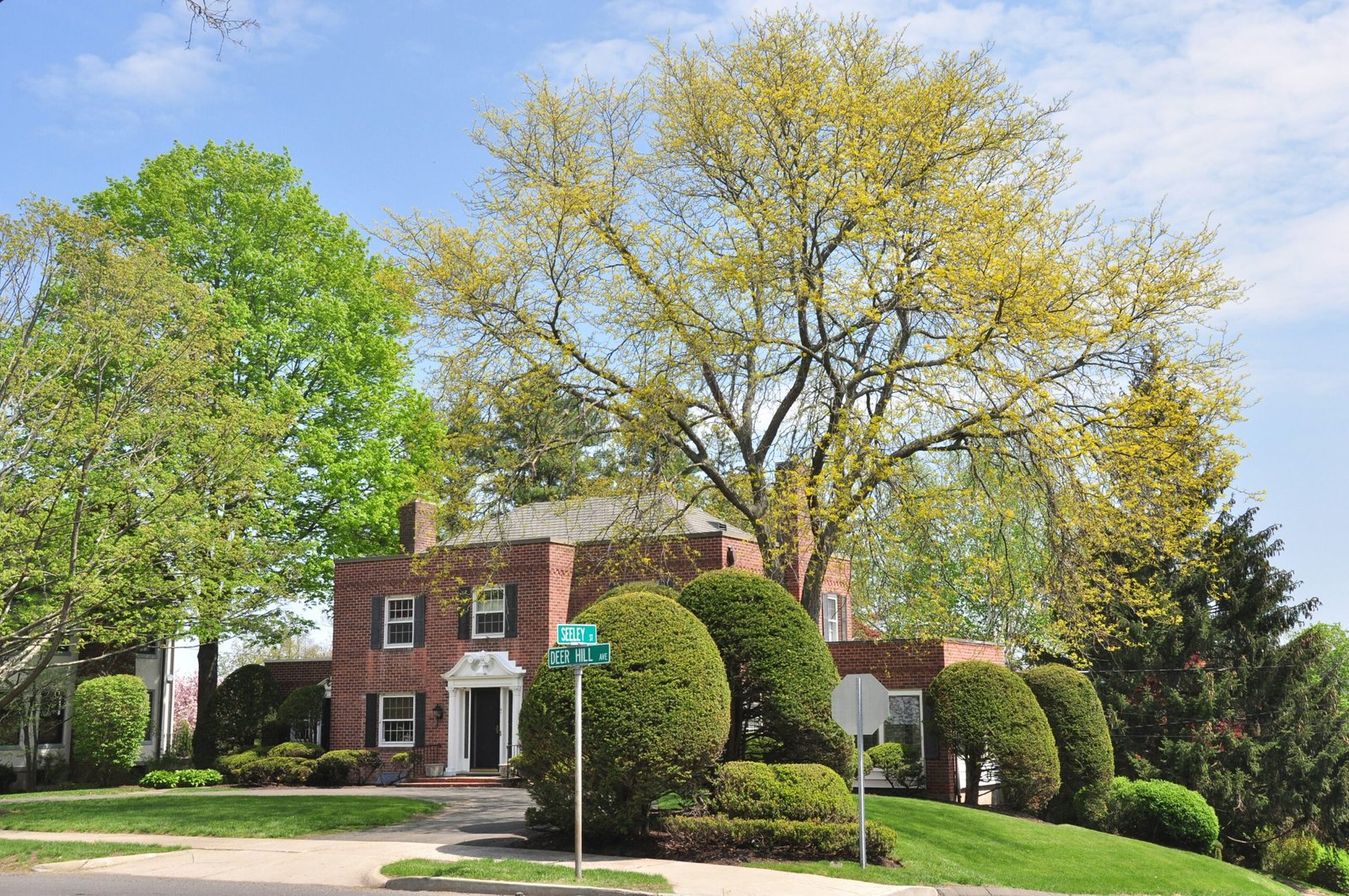
Photo by I Do Nothing But Love on Unsplash