
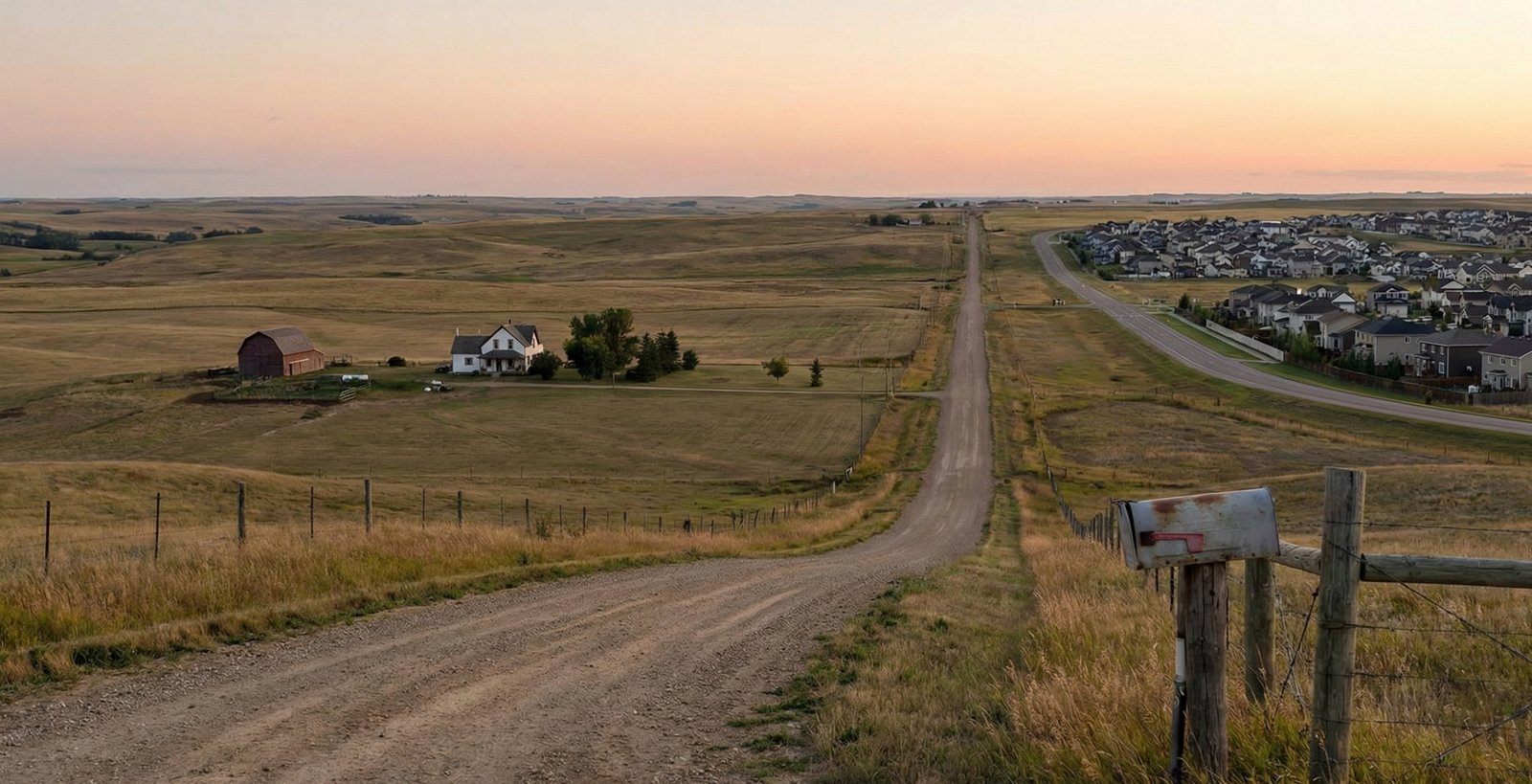
The decision to purchase rural property involves navigating a complex set of trade-offs that can significantly impact your lifestyle, investment potential, and daily convenience. At the heart of this decision lies a fundamental tension: the desire for expansive acreage often conflicts directly with the need for practical access to amenities, services, and infrastructure. Understanding these trade-offs is essential for making an informed property investment that aligns with your long-term objectives.
Understanding the Acreage Advantage
Large parcels of rural land offer numerous compelling benefits that draw individuals and families away from urban centers. The primary appeal lies in the space itself—room for agricultural pursuits, livestock management, recreational activities, and the privacy that comes with distance from neighbors. Properties with substantial acreage provide opportunities for self-sufficiency, including gardening, farming, and renewable energy installations that would be impractical on smaller lots.
Beyond practical considerations, extensive acreage offers psychological benefits that should not be underestimated. The sense of ownership over a significant piece of land, the ability to experience nature undisturbed, and the freedom to develop property according to personal vision represent intangible values that many find invaluable. For those seeking refuge from urban congestion, larger rural properties deliver unparalleled tranquility and autonomy.
The Access Imperative
While acreage provides space and privacy, access determines how effectively you can utilize and enjoy that property. Access encompasses multiple dimensions that collectively determine the practicality of rural living. Road quality and maintenance directly affect your ability to reach the property year-round, particularly during adverse weather conditions. Properties located at the end of poorly maintained roads or those requiring passage through seasonal watercourses present significant challenges that extend beyond mere inconvenience.
Proximity to essential services represents another critical access consideration. Medical facilities, grocery stores, schools, and employment centers become increasingly distant as properties offer more acreage at lower prices. This distance translates into time costs, transportation expenses, and potential limitations during emergencies. The trade-off between land size and service proximity requires careful evaluation based on your household’s specific needs and circumstances.
Infrastructure and Connectivity Considerations
Modern rural living depends heavily on infrastructure that urban dwellers often take for granted. Utility access, including electricity, water, and internet connectivity, becomes progressively more challenging and expensive as properties become more remote. Many expansive rural properties lack connection to municipal water and sewer systems, necessitating wells, septic systems, and the maintenance responsibilities these entail.
Internet connectivity deserves particular attention in an increasingly digital world. Remote work opportunities, online education, and basic communication services all depend on reliable internet access. Properties offering maximum acreage at minimum cost frequently suffer from inadequate broadband infrastructure, potentially limiting professional opportunities and quality of life for residents accustomed to constant connectivity.
Financial Implications of the Trade-off
The relationship between acreage and access significantly influences property valuation and ongoing costs. Generally, properties combining substantial acreage with excellent access command premium prices, as they offer the best of both worlds. Conversely, remote properties with challenging access typically sell at discounted per-acre rates, making them attractive to budget-conscious buyers willing to accept limited convenience.
However, the initial purchase price represents only one component of the financial equation. Properties with poor access often incur higher ongoing expenses for road maintenance, snow removal, and vehicle wear. Longer distances to services increase fuel costs and time investments that accumulate significantly over the years of ownership. These hidden costs can ultimately exceed the savings achieved through purchasing less accessible property.
Seasonal and Weather-Related Factors
The intersection of acreage and access becomes particularly pronounced during challenging weather conditions. Properties accessible during summer months may become isolated during winter snowstorms or spring flooding. This seasonal variability demands consideration of how weather patterns in your target region will affect property accessibility throughout the year.
Potential buyers must honestly assess their tolerance for seasonal isolation and their preparedness to handle emergencies without immediate external assistance. Properties offering exceptional acreage in exchange for marginal access may prove suitable for experienced rural residents with appropriate equipment and skills, while representing excessive challenges for those transitioning from urban environments.
Finding the Optimal Balance
Achieving the right balance between acreage and access requires a systematic evaluation of priorities. Begin by identifying your non-negotiable requirements—whether medical proximity for health conditions, school access for children, or employment commute limitations. These fundamental constraints establish boundaries within which you can explore property options.
Consider your timeline and life stage when evaluating trade-offs. Younger buyers with flexible work arrangements may successfully navigate properties with limited access, while those approaching retirement might prioritize proximity to healthcare services. Family composition, including the presence of school-age children or elderly relatives, significantly influences the optimal balance point between space and convenience.
Strategies for Mitigating Trade-off Challenges
Several strategies can help minimize the disadvantages inherent in rural property trade-offs. Purchasing property along major county roads or highways provides better access while still offering substantial acreage. Cooperative arrangements with neighbors for road maintenance, snow removal, and emergency assistance can dramatically improve the practicality of more remote properties.
Technological solutions increasingly bridge the gap between rural location and urban convenience. Satellite internet services continue improving, offering viable connectivity options for properties beyond traditional broadband infrastructure. Renewable energy systems and advanced water treatment technologies enable comfortable living in areas lacking conventional utilities, though at significant upfront investment costs.
Long-term Considerations and Exit Strategies
When evaluating acreage versus access trade-offs, consider not only your current needs but also future marketability. Properties balancing reasonable acreage with good access typically maintain stronger resale potential than extremely remote parcels. Changes in personal circumstances, health issues, family needs, or employment opportunities may necessitate selling property sooner than anticipated.
The demographic trend toward aging populations suggests that properties requiring significant physical capability to access and maintain may face declining demand over time. Conversely, properties offering manageable acreage with excellent accessibility may appreciate more reliably as they appeal to broader buyer segments. These long-term market dynamics deserve consideration even when immediate priorities focus on personal enjoyment rather than investment returns.