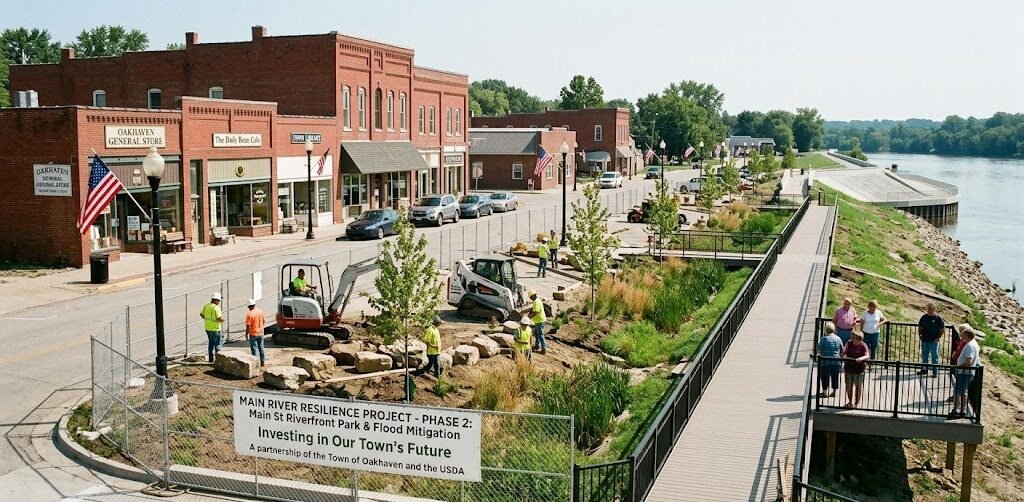
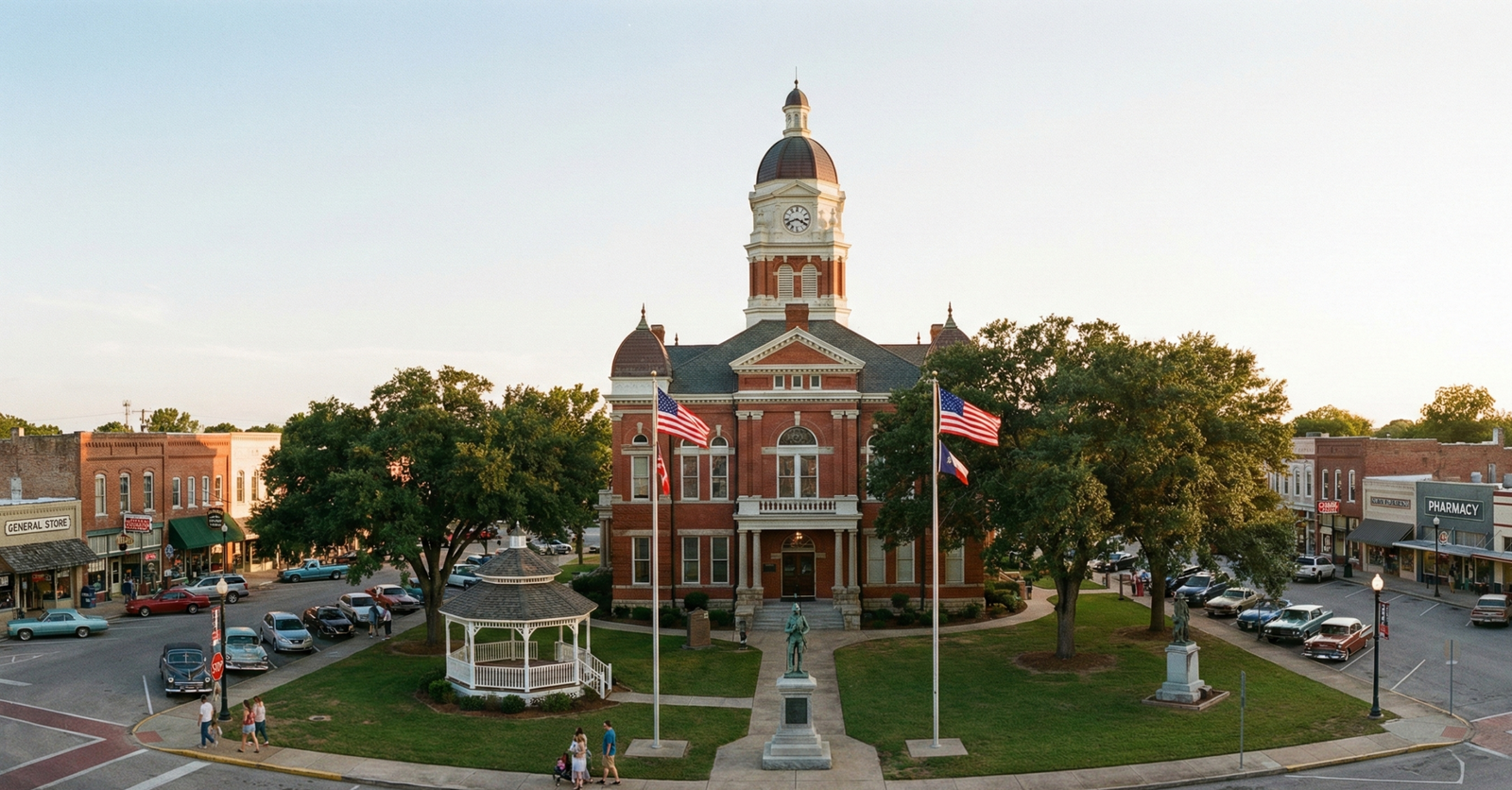
The courthouse square stands as an enduring symbol of American civic life, particularly in rural communities where these architectural and social landmarks have shaped local identity for generations. More than mere administrative centers, these public spaces represent the physical manifestation of democratic ideals, community values, and the social fabric that binds rural America together.
The Historical Foundation of Courthouse Squares
Courthouse squares emerged during the westward expansion of the United States, serving as planned focal points for newly established towns and counties. These central gathering places typically featured a prominent courthouse building surrounded by commercial establishments, creating an integrated civic and economic hub. The design reflected Enlightenment principles of ordered society and accessible governance, positioning the seat of justice at the literal and figurative center of community life.
Early American settlers, drawing inspiration from European town planning traditions, recognized the practical and symbolic importance of centralizing governmental functions. The courthouse square became the template for community development, establishing a pattern that would be replicated across thousands of rural counties throughout the nation.
Architectural Significance and Regional Variations
The architectural character of courthouse squares varies considerably across different regions, reflecting local building traditions, available materials, and cultural influences. Several distinct patterns have emerged:
- The Square Plan: Features a courthouse building centered within a public square, surrounded by streets on all four sides
- The Block Plan: Positions the courthouse occupying an entire city block with businesses facing inward
- The Shelbyville Plan: Places the courthouse at the intersection of major streets, creating four commercial quadrants
- The Lancaster Plan: Situates the courthouse to one side of a central square, leaving open space for public gatherings
These architectural configurations not only determined traffic flow and commercial development but also influenced social interactions and community gatherings for generations.
Social and Civic Functions
Courthouse squares have historically served multiple functions that extend far beyond their administrative purposes. These spaces function as:
Centers of Justice and Governance
The courthouse itself houses essential governmental services including courts, county offices, and public records. Citizens conduct vital business such as registering property, obtaining licenses, paying taxes, and participating in legal proceedings. This concentration of civic functions reinforces the courthouse square’s role as the definitive public space where individual rights intersect with governmental authority.
Economic Marketplaces
The commercial establishments surrounding courthouse squares have traditionally provided essential goods and services to rural populations. General stores, banks, law offices, and restaurants clustered around these centers created walkable business districts that facilitated economic exchange and social interaction. On market days, farmers and merchants would converge on the square, transforming it into a bustling hub of commercial activity.
Community Gathering Spaces
Perhaps most significantly, courthouse squares serve as venues for public assembly. Political rallies, holiday celebrations, memorial services, and social events have animated these spaces throughout American history. The square becomes a stage where community identity is performed, contested, and reinforced through collective participation in civic rituals.
Defining Rural American Identity
Courthouse squares embody values that resonate deeply within rural American consciousness. These spaces represent accessibility to justice, with the courthouse doors symbolically and practically open to all citizens regardless of social standing. The transparency of governmental operations, conducted in prominent public buildings, reinforces democratic accountability and civic participation.
The physical permanence of courthouse squares provides continuity amid social and economic change. While individual businesses may come and go, the courthouse remains a stable landmark that anchors community memory and identity. Generations of families have experienced pivotal life moments—marriages, adoptions, property transfers, and legal proceedings—within these buildings, creating layers of personal and collective history.
Contemporary Challenges and Preservation Efforts
Modern rural America faces significant challenges that threaten the vitality of courthouse squares. Economic shifts away from agriculture, population decline, and the rise of automobile-oriented development have diminished foot traffic in traditional downtown areas. Many historic commercial buildings stand vacant, and courthouse squares struggle to maintain their historic centrality in community life.
However, preservation movements have recognized the cultural value of these spaces. Communities across the nation have undertaken revitalization initiatives that include:
- Adaptive reuse of historic buildings for contemporary purposes
- Designation of courthouse squares as historic districts
- Programming festivals and events to draw residents back to downtown areas
- Infrastructure improvements to enhance walkability and accessibility
- Supporting local businesses through incentive programs
These efforts acknowledge that courthouse squares represent more than historic artifacts; they embody living traditions that continue to define rural American identity in the twenty-first century.
The Enduring Legacy
Courthouse squares remain powerful symbols of rural American values: accessible justice, community cohesion, democratic participation, and local pride. These spaces tell the story of American settlement, growth, and the ongoing negotiation between tradition and change. As rural communities navigate an uncertain future, the courthouse square stands as a reminder of enduring civic ideals and the importance of shared public space in maintaining social bonds.
The preservation and revitalization of courthouse squares represents an investment not merely in historic buildings, but in the civic culture and community identity that these spaces have nurtured for generations. By understanding their historical significance and contemporary relevance, Americans can ensure that courthouse squares continue to serve as vital centers of rural life, adapting to modern needs while honoring the democratic traditions they represent.