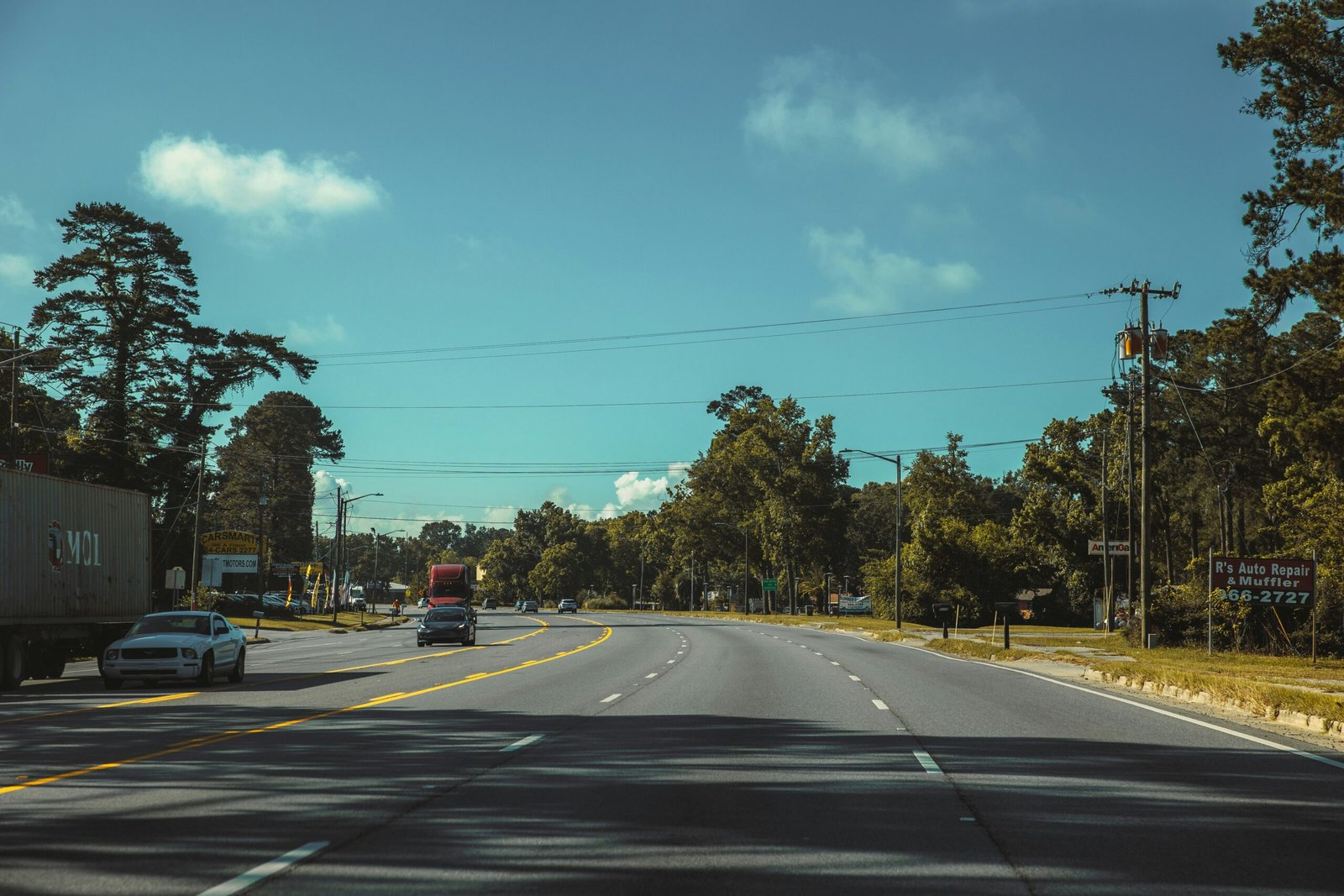

Domestic violence remains a pervasive issue across all communities, but its impact is significantly magnified in remote and isolated areas. The geographical, social, and systemic barriers present in these locations create unique challenges for victims seeking help, safety, and justice. Understanding these complexities is crucial for developing effective intervention strategies and support systems.
The Unique Challenges of Remote Communities
Remote communities face a distinctive set of obstacles that compound the already difficult situation of domestic violence. These areas are characterized by limited access to services, sparse populations, and often inadequate infrastructure. The isolation inherent in these locations extends beyond mere physical distance, creating multilayered barriers that trap victims in dangerous situations.
Geographic remoteness presents immediate practical challenges. Victims may be located hours or even days away from the nearest police station, hospital, or support services. The lack of public transportation further restricts mobility, making escape difficult or impossible without access to a vehicle. In many cases, the perpetrator controls transportation, effectively imprisoning the victim within the relationship.
Social Isolation and Community Dynamics
The social fabric of remote communities, while often tight-knit, can inadvertently enable domestic violence to continue unchecked. Small population sizes mean that everyone typically knows everyone else, creating complex social dynamics that affect reporting and intervention.
Factors Contributing to Social Isolation:
- Fear of social stigma and judgment within close communities
- Concerns about confidentiality and privacy
- Family and community pressure to maintain appearances
- Potential backlash or ostracism for speaking out
- Cultural norms that may minimize or normalize abusive behavior
Victims in remote areas often face the difficult choice between maintaining silence about their abuse or risking their social standing and support networks. The interconnected nature of small communities means that reporting abuse can have far-reaching consequences for family relationships, employment opportunities, and community standing.
Limited Access to Support Services
The scarcity of specialized domestic violence services in remote areas represents one of the most significant barriers to victim safety and recovery. Many remote communities lack dedicated shelters, counseling services, legal advocates, or healthcare facilities equipped to address domestic violence.
Service Gaps Include:
- Absence of emergency shelters or safe houses
- Limited or no access to specialized counseling
- Shortage of trained law enforcement officers
- Inadequate healthcare facilities
- Minimal legal support and advocacy services
- Poor telecommunications infrastructure limiting access to hotlines
Even when services exist, they may be understaffed, underfunded, or operate with limited hours. This forces victims to travel long distances to access help, which may not be feasible due to financial constraints, lack of transportation, or the need to maintain secrecy from their abuser.
Economic Dependencies and Vulnerabilities
Economic factors play a particularly critical role in trapping victims within abusive relationships in remote communities. Limited employment opportunities, lower average incomes, and economic dependence on primary industries create financial vulnerabilities that abusers often exploit.
In many remote areas, a single industry may dominate the local economy, and job opportunities are scarce. This economic reality makes financial independence extremely difficult to achieve. Victims may fear that leaving their abuser will result in complete economic destitution, with no realistic prospects for employment or housing. The abuser may control all financial resources, leaving the victim without money for basic necessities, let alone the resources needed to escape.
Technology and Communication Barriers
While technology has the potential to bridge gaps in service delivery, many remote communities face significant technological limitations. Poor internet connectivity, unreliable mobile phone coverage, and limited access to computers create additional obstacles for victims seeking help.
These technological barriers prevent victims from accessing online support services, researching escape options, or communicating discretely with support organizations. The very tools that could provide lifelines to safety remain out of reach for many living in isolated areas.
Indigenous and Culturally Diverse Communities
Indigenous communities and culturally diverse populations in remote areas face additional layers of complexity when dealing with domestic violence. Historical trauma, cultural disconnection, and the legacy of colonization intersect with contemporary issues of abuse and isolation.
Cultural considerations must be integrated into any response to domestic violence in these communities. Services must be culturally appropriate, delivered in appropriate languages, and respectful of traditional practices and beliefs. The absence of culturally sensitive services can deter victims from seeking help and undermine the effectiveness of interventions.
Law Enforcement and Justice System Challenges
The criminal justice response to domestic violence in remote areas often falls short of what is needed to protect victims and hold perpetrators accountable. Police services may be provided by a single officer or small detachment serving a vast geographical area, limiting response times and the ability to provide ongoing protection.
Justice System Limitations:
- Extended response times to emergency calls
- Insufficient training in domestic violence response
- Difficulties in enforcing protection orders
- Limited court services requiring long-distance travel
- Personal relationships between law enforcement and community members affecting impartiality
- Shortage of legal representation for victims
These systemic weaknesses can leave victims feeling unprotected and discouraged from engaging with law enforcement or pursuing legal remedies. The perception that reporting will not lead to meaningful action or protection often becomes a self-fulfilling prophecy.
Strategies for Addressing Isolation
Addressing domestic violence in remote communities requires innovative, multi-faceted approaches that acknowledge and work within the constraints of isolation while building capacity for local solutions.