
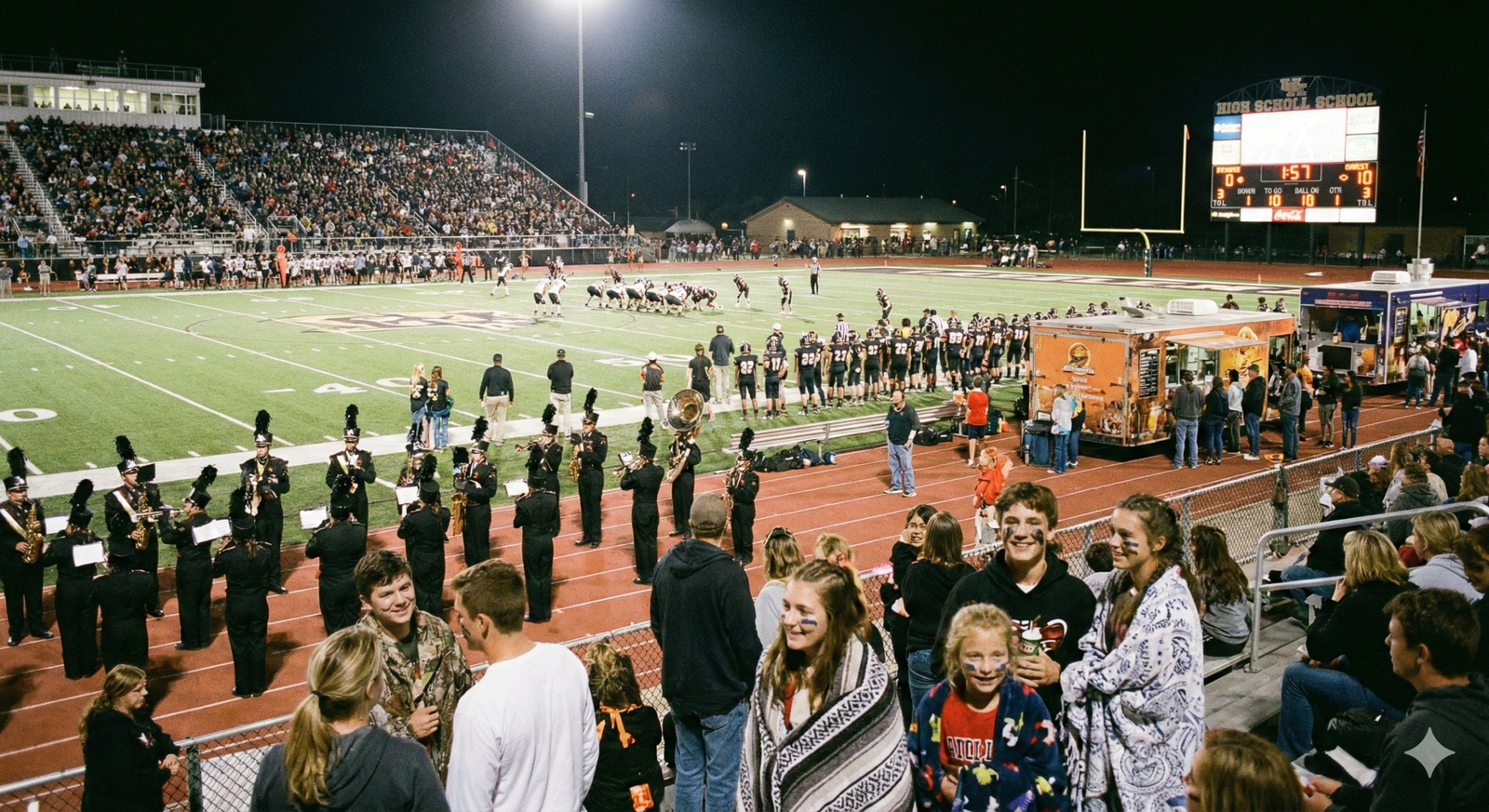
Across the United States, Friday nights hold a special significance in countless communities, serving as a weekly gathering point where residents unite under stadium lights to support their local high school football teams. This deeply rooted tradition transcends the sport itself, fostering community bonds, instilling local pride, and creating memories that span generations.
The Cultural Phenomenon of Friday Night Football
High school football has evolved into far more than an extracurricular athletic activity. For many American communities, particularly in suburban and rural areas, Friday night games represent the social and cultural heartbeat of the region. The stadium becomes a temporary town square where neighbors reconnect, families celebrate together, and community identity strengthens with each passing season.
The atmosphere surrounding these weekly events creates an irreplaceable sense of belonging. From the marching band’s pregame performance to the final whistle, every element contributes to a shared experience that defines community character and reinforces collective values.
Economic Impact on Local Communities
The economic influence of high school football extends well beyond ticket sales at the gate. Friday night games generate substantial revenue streams that benefit numerous local businesses and organizations:
- Concession stands provide fundraising opportunities for school clubs and booster organizations
- Local restaurants and fast-food establishments experience increased patronage before and after games
- Retail businesses benefit from sales of team merchandise and spirit wear
- Gas stations and convenience stores see elevated traffic on game nights
- Hotels in areas hosting visiting teams often experience increased bookings
This economic activity creates a ripple effect that supports employment and contributes to the financial health of the broader community.
Building Character and Life Skills
High school football programs serve as character-building institutions that prepare young athletes for challenges beyond the gridiron. The discipline required for football translates into valuable life lessons that participants carry into adulthood.
Student-athletes develop essential qualities including teamwork, perseverance, time management, and leadership. The rigorous practice schedules teach commitment and work ethic, while the competitive nature of the sport instills resilience in the face of adversity. Coaches often serve as mentors who guide players through both athletic and personal challenges, providing wisdom that extends far beyond game strategy.
The Role of School Spirit and Identity
Friday night football games serve as powerful catalysts for school spirit, creating a unified identity among students, faculty, and alumni. The weekly gatherings provide opportunities for cheerleaders, dance teams, and marching bands to showcase their talents, ensuring that school pride encompasses diverse forms of participation beyond the athletic field.
This collective enthusiasm generates a positive school culture that can improve attendance, academic engagement, and overall student morale. The sense of belonging fostered through football traditions helps students develop stronger connections to their educational institutions.
Intergenerational Connections
One of the most profound aspects of high school football culture is its ability to bridge generational divides. Alumni who once wore the uniform now bring their own children to watch the next generation compete. Grandparents share stories of legendary games from decades past while witnessing new chapters being written on the same field.
These intergenerational gatherings preserve community history and tradition while creating new memories. The continuity provided by annual seasons, familiar rivalries, and time-honored rituals offers stability in an ever-changing world.
Community Investment and Support
The success of high school football programs depends heavily on community investment. Booster clubs organize fundraisers, volunteers maintain facilities, and local businesses sponsor teams. This collaborative support system demonstrates the community’s commitment to its youth and educational institutions.
Many communities invest significantly in football infrastructure, constructing impressive stadiums and training facilities that serve as sources of civic pride. These investments reflect the value placed on providing quality experiences for student-athletes and creating venues where communities can gather.
Social Integration and Diversity
Football teams often represent the most diverse groups within their schools, bringing together students from various socioeconomic backgrounds, races, and social circles. The shared goal of team success creates bonds that might not otherwise form, promoting understanding and friendship across traditional social boundaries.
Friday night games provide inclusive spaces where entire communities congregate regardless of demographic differences. The common interest in supporting the local team creates natural opportunities for social interaction and relationship building among residents who might otherwise remain isolated within separate social spheres.
Challenges and Evolving Perspectives
While high school football remains deeply cherished in many communities, the tradition faces contemporary challenges. Growing concerns about player safety, particularly regarding concussions and long-term health effects, have prompted important conversations about how the sport is conducted and supervised.
Additionally, budget constraints in some school districts have led to difficult decisions regarding athletic program funding. Communities must balance their devotion to football traditions with practical financial considerations and competing educational priorities.
Despite these challenges, many communities continue adapting their programs to address safety concerns through improved equipment, better training for coaches, and enhanced medical protocols, demonstrating their commitment to preserving the tradition while prioritizing student welfare.
The Enduring Legacy
As autumn arrives each year, communities across America prepare for another season of Friday night football. The tradition endures because it fulfills fundamental human needs for connection, belonging, and shared purpose. These weekly gatherings remind participants that they are part of something larger than themselves—a community with shared values, collective memories, and common aspirations.
High school football’s role as a community center on Friday nights represents more than entertainment; it embodies the American spirit of coming together to support youth, celebrate local identity, and create lasting bonds. As long as communities value these connections, the lights will continue to shine on Friday nights, illuminating not just the field, but the best qualities of community life itself.