
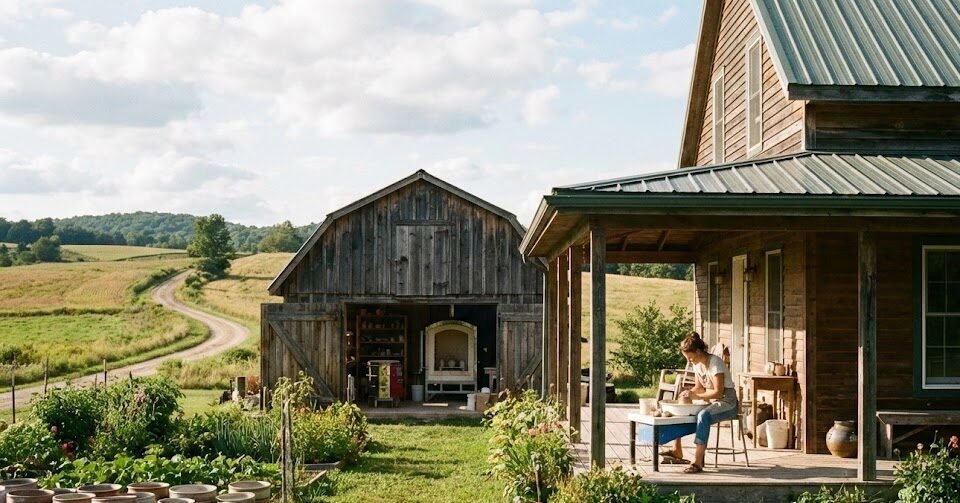
The landscape of rural economies is undergoing a significant transformation as more entrepreneurs and small business owners seek to establish home-based enterprises. Rural zoning laws play a pivotal role in either facilitating or hindering this economic development, making it essential for policymakers, landowners, and aspiring business owners to understand how these regulations can be structured to support sustainable rural enterprise.
Understanding Rural Zoning Frameworks
Rural zoning laws establish the permitted uses of land within designated areas, traditionally focusing on agricultural production, residential development, and natural resource preservation. However, modern rural zoning frameworks increasingly recognize the need to accommodate home-based businesses that can provide economic vitality to rural communities without compromising their essential character.
These regulatory structures typically differentiate between various scales and types of home-based operations, from small-scale artisan workshops to agricultural value-added businesses. Understanding these distinctions is fundamental for anyone seeking to establish or regulate rural home-based enterprises.
The Economic Imperative for Flexible Zoning
Rural communities face unique economic challenges, including population decline, limited employment opportunities, and decreased access to services. Home-based enterprises offer a practical solution to these challenges by:
- Creating employment opportunities without requiring significant infrastructure investment
- Allowing residents to remain in rural areas while pursuing diverse economic activities
- Generating local tax revenue that supports community services
- Preserving agricultural land by enabling farmers to diversify income streams
- Attracting remote workers and digital entrepreneurs to rural regions
Types of Home-Based Enterprises in Rural Settings
Rural zoning laws must account for the diverse range of businesses that can operate successfully from residential properties. These enterprises typically fall into several categories:
Agricultural Value-Added Businesses
Farm-based businesses that process agricultural products—such as cheese-making operations, specialty food production, or craft beverage facilities—represent a natural extension of rural land use. Progressive zoning ordinances recognize these activities as compatible with agricultural zoning while establishing appropriate standards for scale and operation.
Professional and Creative Services
Consultants, designers, writers, accountants, and other professionals increasingly choose rural locations for their home offices. These low-impact operations require minimal accommodations within zoning codes but provide significant economic benefits to rural communities.
Artisan and Manufacturing Activities
Small-scale manufacturing, woodworking, textile production, and other artisan activities can thrive in rural settings where space is more readily available. Zoning provisions must balance the need for operational flexibility with considerations regarding noise, traffic, and environmental impacts.
Tourism and Hospitality Enterprises
Bed and breakfast establishments, farm stays, event venues, and recreational activities leverage rural amenities while providing supplemental income to landowners. These operations require careful zoning considerations regarding parking, capacity, and seasonal impacts.
Key Elements of Enabling Zoning Provisions
Effective rural zoning laws that support home-based enterprises incorporate several essential components:
Accessory Use Provisions
Many jurisdictions classify home-based businesses as accessory uses, subordinate to the primary residential or agricultural function of the property. Well-crafted accessory use provisions establish clear parameters while providing sufficient flexibility for diverse business models.
Performance Standards
Rather than prescriptively limiting specific business types, performance-based zoning focuses on measurable impacts such as traffic generation, noise levels, waste production, and hours of operation. This approach accommodates innovation while protecting neighborhood character and environmental quality.
Graduated Permit Requirements
Tiered permitting systems acknowledge the difference between a single-person consulting business and a operation employing multiple workers or receiving numerous customers. Lower-impact activities may be permitted by right, while larger operations undergo more thorough review processes.
Dimensional and Intensity Standards
Progressive zoning codes establish reasonable limitations on the scale of home-based operations, typically addressing factors such as:
- Maximum square footage or percentage of the residence dedicated to business use
- Number of non-resident employees permitted on-site
- Customer or client visit frequency and duration
- Outdoor storage and display requirements
- Signage specifications appropriate to rural contexts
Balancing Economic Development with Community Values
Successful rural zoning approaches strike a deliberate balance between enabling entrepreneurship and preserving the qualities that make rural communities desirable. This balance requires careful consideration of several factors:
Maintaining Rural Character
Zoning provisions should ensure that home-based enterprises remain compatible with the visual landscape and pace of rural life. Standards addressing building scale, architectural compatibility, and site design help integrate business activities without diminishing rural aesthetics.
Protecting Agricultural Resources
In agricultural zones, regulations must prevent the fragmentation of productive farmland while allowing farmers to diversify income through complementary businesses. Agricultural overlay districts and right-to-farm protections can coexist with carefully structured home business provisions.
Addressing Infrastructure Limitations
Rural areas often lack the infrastructure capacity of urban settings. Zoning regulations should consider limitations in road capacity, water and wastewater systems, and emergency services when establishing parameters for home-based enterprises.
Modern Challenges and Opportunities
The digital transformation of work and the increasing feasibility of remote employment present both opportunities and challenges for rural zoning frameworks.
The Remote Work Revolution
High-speed internet access has enabled professionals to relocate to rural areas while maintaining careers with urban-based employers or global clients. Forward-thinking zoning codes recognize that traditional home office restrictions may be outdated in an era of video conferencing and digital collaboration.