
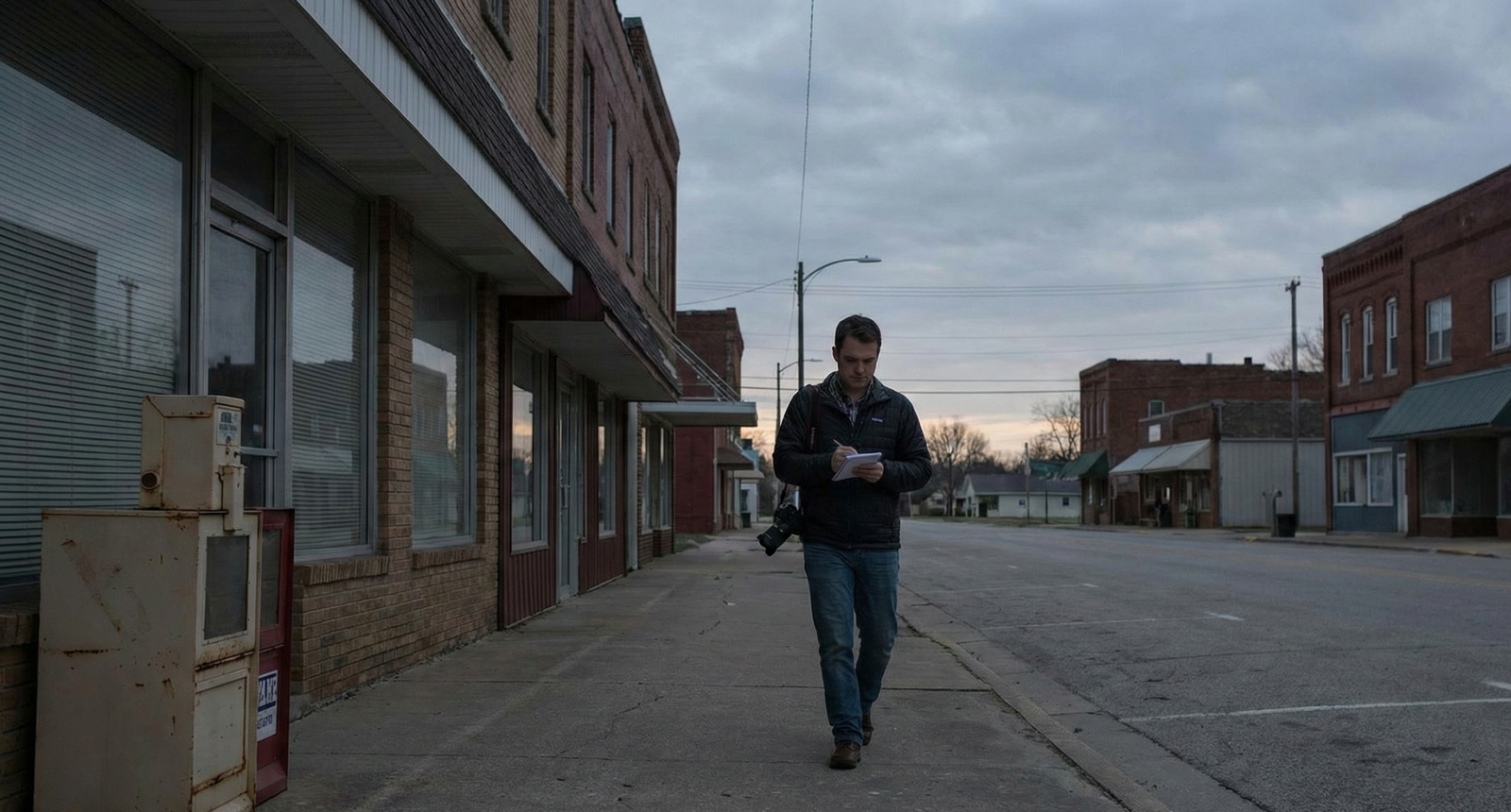
The landscape of American journalism is undergoing a profound transformation, with local news outlets disappearing at an alarming rate and leaving behind what researchers have termed “news deserts.” This phenomenon poses significant threats not only to journalism employment but also to the democratic fabric of communities across the nation.
Understanding the News Desert Phenomenon
A news desert refers to a community with limited access to credible and comprehensive local news coverage. These areas typically lack a dedicated local newspaper or broadcast news outlet, leaving residents without reliable sources of information about municipal governance, school board decisions, local elections, and community events. The proliferation of news deserts has accelerated dramatically over the past two decades, fundamentally altering how Americans access local information.
According to recent studies, more than 2,000 newspapers have closed since 2004, with the majority being community publications serving small to medium-sized towns. This trend has created vast geographic areas where citizens must rely on distant regional outlets or, increasingly, social media platforms for local news—sources that rarely provide the depth and accountability that dedicated local journalism offers.
The Employment Crisis in Local Journalism
The contraction of local news outlets has precipitated a severe employment crisis within the journalism profession. Newsroom employment has declined by approximately 26% since 2008, with local newspapers bearing the brunt of these losses. Journalists who once covered city council meetings, investigated local corruption, and chronicled community achievements have found themselves displaced, often with limited opportunities to continue practicing their craft.
Factors Contributing to Job Losses
- Declining advertising revenue: The migration of classified and display advertising to digital platforms has eliminated newspapers’ primary revenue stream
- Corporate consolidation: Large media conglomerates acquiring local outlets and implementing cost-cutting measures that prioritize profit over journalism
- Changing consumption patterns: Younger demographics increasingly accessing news through social media rather than traditional local news sources
- Lack of sustainable digital business models: Many local outlets have struggled to monetize their online presence effectively
Consequences for Communities
The disappearance of local journalism extends far beyond employment statistics, creating tangible negative outcomes for affected communities. Research has documented several concerning trends in areas experiencing reduced local news coverage.
Diminished Civic Engagement
Communities without robust local journalism demonstrate measurably lower levels of civic participation. Voter turnout in local elections decreases when residents lack accessible information about candidates and issues. Citizens become less informed about municipal budget decisions, zoning changes, and other matters that directly affect their daily lives.
Reduced Government Accountability
Local journalists have traditionally served as watchdogs, investigating corruption, waste, and abuse of power at the municipal level. Without this scrutiny, studies have shown increases in government inefficiency and corruption. Public officials face less pressure to maintain transparency when their actions go unreported and unexamined.
Economic Implications
Paradoxically, the absence of local news coverage can negatively impact community economies. Research indicates that municipal borrowing costs increase in news deserts, as bond markets lack sufficient information to accurately assess local government financial health. Additionally, local businesses lose valuable platforms for reaching community members.
Emerging Solutions and Innovations
Despite these challenges, various stakeholders are developing innovative approaches to sustain local journalism and preserve employment opportunities within the field.
Nonprofit News Organizations
Nonprofit journalism models have emerged as viable alternatives to traditional commercial operations. These organizations, often supported by foundations, philanthropic donations, and member contributions, can focus on public service journalism without the pressure to generate substantial profits. Several nonprofit outlets have successfully filled gaps left by departing commercial newspapers.
Government and Policy Interventions
Policymakers at federal and state levels have begun exploring mechanisms to support local journalism. Proposed solutions include tax incentives for news organizations, public funding for local reporting, and antitrust enforcement to prevent predatory consolidation. Some jurisdictions have implemented programs providing direct financial support to local news outlets.
Collaborative Journalism Models
News organizations are increasingly sharing resources, with multiple outlets collaborating on investigative projects and infrastructure. These partnerships allow smaller organizations to tackle complex stories while sharing costs and expertise.
Digital-First Strategies
Forward-thinking local news organizations are developing successful digital-native business models, incorporating membership programs, events, newsletters, and strategic digital advertising. Some outlets have found success by deeply engaging specific communities rather than attempting to serve broad geographic areas.
The Path Forward
Addressing the local news crisis requires coordinated action from multiple sectors. Media organizations must continue innovating business models and demonstrating their value to communities. Policymakers should consider interventions that support journalism without compromising editorial independence. Foundations and philanthropists can provide crucial transitional funding while sustainable models develop.
Equally important is cultivating public awareness about the value of local journalism. Communities must recognize that quality local reporting requires financial support, whether through subscriptions, memberships, or other means. The assumption that news should be freely available has contributed significantly to the current crisis.
The stakes extend beyond journalism employment to encompass fundamental democratic functions. Informed citizenry, government accountability, and civic engagement all depend on access to reliable local information. Reversing the news desert trend represents not merely an industry concern but a civic imperative essential to maintaining healthy, functioning communities across the nation.