
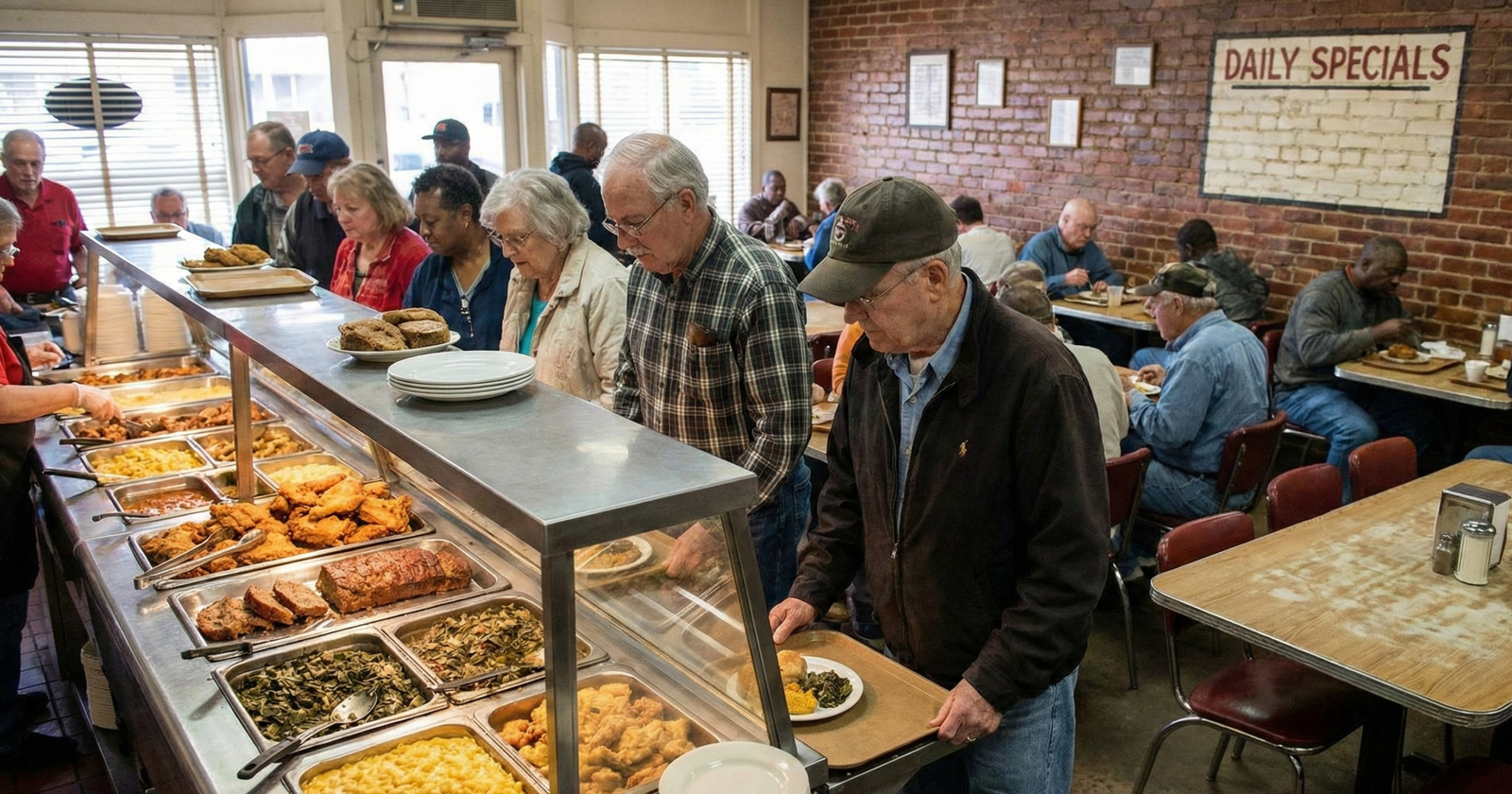
In an era dominated by fast-food chains and corporate restaurant conglomerates, traditional meat-and-three establishments are experiencing a remarkable resurgence. These Southern culinary institutions, which offer customers a choice of one meat and three sides, are not merely surviving—they are thriving by offering something their larger competitors cannot replicate: authenticity, quality, and community connection.
The Enduring Appeal of Traditional Dining
Meat-and-three restaurants have maintained their popularity by adhering to time-honored cooking methods and recipes passed down through generations. Unlike chain restaurants that rely on pre-packaged ingredients and standardized preparation protocols, these independent establishments prepare fresh, home-style meals daily. This commitment to quality has resonated with diners who increasingly seek genuine culinary experiences over convenience.
The business model itself offers inherent advantages. By focusing on a rotating selection of dishes rather than an extensive menu, meat-and-three operators can purchase ingredients in bulk, minimize waste, and ensure consistent quality. This operational efficiency allows them to compete effectively on price while maintaining superior food quality.
Community Integration and Customer Loyalty
One of the most significant competitive advantages these establishments possess is their deep integration within local communities. Meat-and-three restaurants often serve as gathering places where neighbors meet, business deals are discussed over lunch, and families celebrate special occasions. This social dimension creates customer loyalty that no marketing campaign can manufacture.
Regular patrons develop relationships with owners and staff, creating a personalized dining experience that chain restaurants struggle to emulate. Many establishments recognize their frequent customers by name and know their preferences, fostering a sense of belonging that extends beyond the meal itself.
Economic Resilience in Changing Markets
The financial structure of meat-and-three restaurants contributes significantly to their sustainability. With lower overhead costs compared to large chain operations, these businesses can adapt more quickly to economic fluctuations and changing consumer preferences. Their independence from corporate mandates allows owners to make immediate decisions regarding pricing, menu adjustments, and operational changes.
Furthermore, the current economic climate has actually benefited these establishments. As consumers become more price-conscious, the value proposition of a complete, satisfying meal at a reasonable price becomes increasingly attractive. Meat-and-three restaurants typically offer portion sizes that exceed those of chain competitors while maintaining comparable or lower prices.
Authenticity as a Marketing Advantage
In the age of social media and food culture enthusiasm, authenticity has become a valuable commodity. Meat-and-three restaurants benefit from their genuine stories, traditional cooking methods, and connection to regional cuisine. Food enthusiasts and tourists actively seek out these establishments as part of an authentic cultural experience.
This organic appeal generates word-of-mouth marketing and social media exposure that would cost chain restaurants millions in advertising. The unique character of each meat-and-three establishment—from the décor to the specific dishes served—creates memorable experiences that customers eagerly share with others.
Adapting Tradition to Modern Demands
While maintaining their core identity, successful meat-and-three restaurants have demonstrated remarkable adaptability. Many have incorporated modern conveniences such as online ordering, delivery services, and updated payment systems without compromising their traditional dining experience. This balanced approach allows them to serve both their loyal customer base and attract younger generations.
Some establishments have expanded their offerings to include vegetarian options, accommodate dietary restrictions, and source ingredients from local farms, aligning with contemporary consumer values while preserving their essential character. This evolution demonstrates that tradition and innovation need not be mutually exclusive.
The Future of Independent Dining
The success of meat-and-three restaurants offers valuable lessons for the broader restaurant industry. Their resilience suggests that consumers increasingly value quality, authenticity, and community connection over the standardized convenience that chains provide. As dining preferences continue to evolve, these establishments are well-positioned to maintain their relevance.
The challenges facing chain restaurants—including rising operational costs, changing consumer preferences, and market saturation—appear less threatening to meat-and-three establishments. Their flexibility, lower overhead, and loyal customer base provide significant competitive advantages in an increasingly crowded marketplace.
Conclusion
The thriving status of meat-and-three restaurants represents more than a nostalgic return to traditional dining; it reflects a fundamental shift in how consumers evaluate their dining choices. By offering authentic cuisine, fostering community connections, and maintaining operational flexibility, these establishments have discovered a formula for success that transcends temporary trends. As they continue to adapt while preserving their core values, meat-and-three restaurants demonstrate that independence, quality, and authenticity remain powerful competitive advantages in the modern restaurant landscape.