
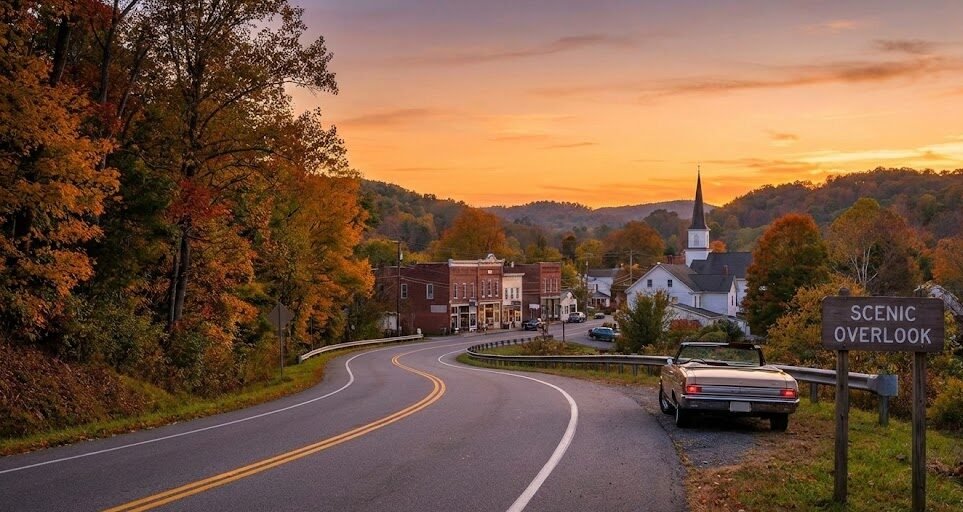
America’s scenic byways offer some of the most breathtaking drives in the nation, winding through diverse landscapes and offering unparalleled natural beauty. However, the true gems along these routes are often the small towns that dot the highways, serving as gateways to adventure and repositories of authentic American culture. These communities provide travelers with unique opportunities to experience local hospitality, regional cuisine, and historical significance that large metropolitan areas simply cannot replicate.
The Allure of Small-Town Destinations Along Scenic Byways
Small towns situated along designated scenic byways possess a distinctive charm that draws visitors seeking respite from urban congestion and a more meaningful travel experience. These communities have preserved their historical character while adapting to serve modern travelers, creating a perfect balance between authenticity and accessibility.
The intimate scale of these towns allows visitors to genuinely connect with local residents, learn about regional traditions, and discover hidden attractions that rarely appear in mainstream travel guides. Unlike highway rest stops or chain establishments, small-town businesses reflect the unique personality of their surroundings, offering handcrafted goods, regional specialties, and personalized service.
Economic and Cultural Benefits for Communities
The designation of scenic byways has proven to be a significant economic catalyst for small towns along these routes. Tourism revenue supports local businesses, creates employment opportunities, and provides funding for infrastructure improvements and historic preservation efforts.
Beyond economic advantages, scenic byway tourism helps preserve cultural heritage by incentivizing communities to maintain their historical buildings, celebrate local traditions, and share their stories with visitors. This creates a mutually beneficial relationship where travelers gain authentic experiences while communities receive the resources necessary to sustain their way of life.
Planning Your Small-Town Scenic Byway Adventure
Researching Route Options
The United States features numerous designated scenic byways, each offering distinct landscapes and cultural experiences. When planning a journey, travelers should consider:
- Seasonal weather conditions and optimal visiting times
- Total distance and realistic daily driving ranges
- Specific attractions and activities available in towns along the route
- Accommodation options and advance booking requirements
- Local events and festivals that may enhance the experience
Essential Preparations
Successful scenic byway trips require thoughtful preparation. Travelers should ensure their vehicles are properly maintained, as some routes traverse remote areas with limited services. Carrying emergency supplies, downloading offline maps, and researching fuel station locations are prudent precautions.
Additionally, visitors should allocate sufficient time to genuinely explore small towns rather than merely passing through. The most rewarding experiences often occur when travelers allow flexibility in their schedules to follow local recommendations and discover unexpected attractions.
Distinctive Features of Small-Town Scenic Byway Destinations
Architectural Heritage
Many small towns along scenic byways feature remarkably preserved historical architecture that provides windows into different eras of American development. Main streets lined with Victorian-era buildings, vintage theaters, and restored train stations create atmospheric settings that transport visitors to earlier times.
Culinary Experiences
Regional cuisine represents one of the most compelling reasons to stop in small towns along scenic byways. Family-owned restaurants, local bakeries, and specialty food producers offer dishes prepared with traditional methods and locally sourced ingredients. These establishments provide authentic tastes that reflect the agricultural heritage and cultural influences of their regions.
Artisan Communities
Small towns along scenic routes often attract artists and craftspeople who draw inspiration from the surrounding natural beauty. Visitors can explore galleries featuring local artwork, visit working studios, and purchase unique handcrafted items directly from their creators. These interactions provide insight into creative processes and support local artistic communities.
Environmental Stewardship and Sustainable Tourism
Many small towns along scenic byways have embraced sustainable tourism practices that protect natural resources while accommodating visitors. These communities recognize that environmental preservation is essential to maintaining the scenic beauty that attracts travelers in the first place.
Responsible travelers can support these efforts by following Leave No Trace principles, patronizing businesses with sustainable practices, and respecting local regulations regarding natural areas. By practicing conscientious tourism, visitors help ensure these destinations remain unspoiled for future generations.
Seasonal Considerations for Optimal Experiences
The character of small towns along scenic byways transforms throughout the year, with each season offering distinct advantages. Spring brings wildflower blooms and mild temperatures ideal for outdoor exploration. Summer provides the longest daylight hours and access to seasonal attractions, though it may also bring increased visitor numbers.
Autumn offers spectacular foliage displays along many routes and harvest-related festivals celebrating regional agriculture. Winter, while challenging in some regions, can provide stunning snow-covered landscapes and opportunities for winter sports, along with a more intimate experience due to fewer tourists.
Engaging with Local Communities
The quality of a small-town visit is significantly enhanced by meaningful interactions with residents. Travelers should approach these communities with respect and genuine curiosity, recognizing that while tourism supports local economies, these are functioning communities rather than theme parks.
Engaging with local historical societies, attending community events, and patronizing locally-owned establishments all contribute to more authentic experiences while directly benefiting the communities visited. Many residents possess extensive knowledge about regional history and natural features and are often willing to share recommendations with respectful visitors.
Technological Resources for Modern Travelers
While small-town destinations offer escapes from urban intensity, modern technology can enhance these experiences when used appropriately. Mobile applications providing information about scenic byways, historical markers, and local attractions help travelers maximize their visits without detracting from the authentic character of these communities.
Social media platforms allow travelers to share discoveries and recommendations, helping to promote deserving small towns while providing useful information for future visitors. However, travelers should remain present in their experiences rather than viewing them primarily through digital screens.
The Future of Small-Town Scenic Byway Tourism
As travelers increasingly seek meaningful experiences over conventional tourism, small towns along scenic byways are well-positioned to attract discerning visitors.