
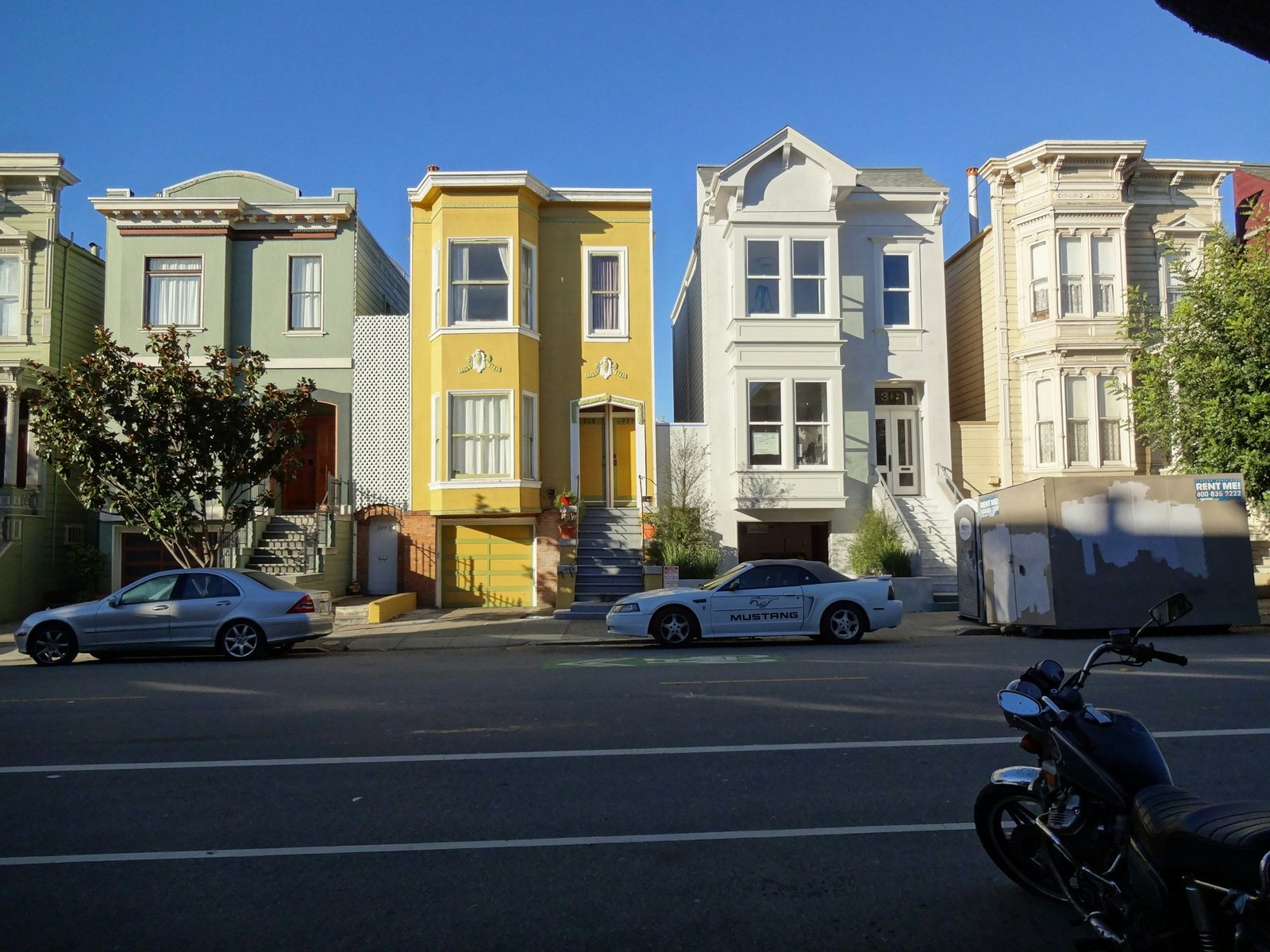
Tucked along the northern edge of the Oregon Coast, the city of Warrenton offers more than scenic beaches and maritime heritage. Beyond its coastal landscapes lies a lesser-known architectural story, a collection of Victorian-era homes that quietly reflect the region’s 19th-century growth, cultural influences, and connection to westward expansion. For history enthusiasts, architecture lovers, and heritage travelers, Warrenton’s historic homes provide a fascinating glimpse into the past.
These residences showcase distinctive details, such as decorative trim, steep gabled roofs, and handcrafted woodwork, that reflect the era’s craftsmanship. Many were built by early settlers, shipbuilders, and merchants who played key roles in shaping the local economy and community identity. Exploring these homes adds depth to any visit, revealing how Warrenton evolved alongside the broader history of the Oregon Coast.
A Coastal Town Shaped by the Victorian Era
Warrenton developed during a period when the Pacific Northwest was rapidly evolving. In the late 1800s, increased shipping, fishing, and military presence helped transform the area from frontier land into a settled coastal community. This growth coincided with the Victorian era, a time known for ornate design, craftsmanship, and architectural detail. While Warrenton may not have large historic districts like bigger cities, scattered Victorian residences remain as subtle reminders of the town’s early prosperity. These homes reflect the ambitions of merchants, maritime workers, and families who helped shape coastal Oregon’s identity.
Defining Features of Victorian Homes in Warrenton
Victorian-era homes in Warrenton display several classic characteristics of the period, adapted to the coastal climate:
- Decorative woodwork – Intricate trim, spindle detailing, and patterned shingles highlight craftsmanship popular in the late 19th century.
- Steeply pitched roofs – Designed to handle coastal rain, these roofs are both practical and visually striking.
- Bay windows and turrets – These architectural features added elegance while maximizing natural light.
- Asymmetrical facades – Victorian design often favored complex shapes over simple symmetry.
- Narrow, vertical windows – Reflecting Gothic and Queen Anne influences common during the era.
Because coastal weather can be harsh, many homes have undergone repairs or modifications over time. Even so, original design elements often remain visible, preserving the historical character.
Why These Homes Matter Today
Victorian homes in Warrenton are more than old buildings; they represent a living timeline of settlement, adaptation, and community development along the Oregon Coast. During the late 1800s, towns near key landmarks like Fort Stevens benefited from trade routes, military activity, and fishing industries. Residential architecture evolved alongside these economic drivers.
Preserving historic homes helps maintain a tangible connection to that era. These structures illustrate how families lived, how materials were sourced, and how architectural trends traveled from eastern states to the Pacific frontier. For local communities, they contribute to identity and continuity in a region where natural forces and modernization constantly reshape the landscape.
Visiting and Appreciating Warrenton’s Historic Homes
Unlike formal museum properties, many Victorian-era homes in Warrenton remain private residences. Visitors can still appreciate them respectfully from public streets as they explore the town. Walking or cycling through older neighborhoods reveals architectural details that might otherwise go unnoticed. Pairing a heritage walk with visits to nearby coastal sites creates a richer historical experience. The surrounding environment, from forests to shoreline, mirrors the same setting early residents encountered more than a century ago.
A Quiet Legacy Along the Coast
Warrenton’s Victorian homes may not dominate travel brochures, but they hold cultural and historical significance that rewards curious explorers. These houses stand as quiet storytellers, bridging past and present. For anyone interested in architecture, Oregon history, or coastal heritage, discovering these hidden historic homes offers a meaningful way to experience the Oregon Coast beyond its natural beauty.
Walking past their ornate porches and timeworn facades reveals stories of early settlers, maritime trade, and community life shaped by the sea. Each home reflects craftsmanship and design trends that capture a distinct era in the town’s development. Together, they preserve a sense of place that deepens appreciation for Warrenton’s lesser-known but enduring legacy.
Photo by alexandre alex on Unsplash