
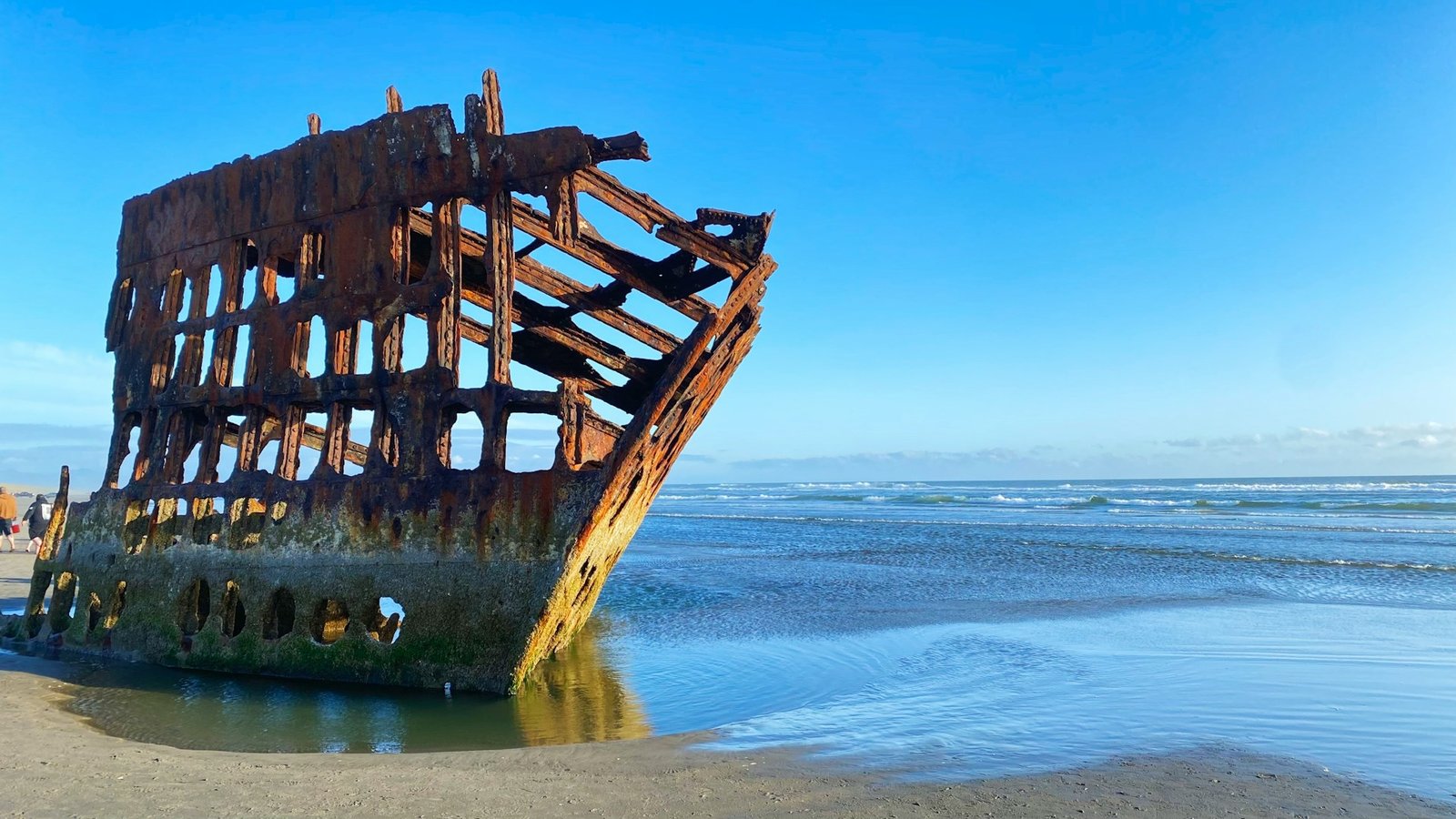
At the far northwestern edge of Oregon, Fort Stevens State Park stands at the intersection of history, landscape, and public memory. Once one of the most heavily fortified military installations on the West Coast, the site has since been transformed into a public park. Yet its significance has not faded with time. Instead, Fort Stevens continues to matter not only as a preserved military site but as a living reminder of national defense, community resilience, and evolving public values. Through its remaining batteries, museums, and interpretive trails, visitors gain insight into the strategic role the fort once played in protecting the Pacific coastline. The park also honors the people who served there, connecting personal stories to broader historical events. By blending historical preservation with open public access, Fort Stevens invites reflection on how past conflicts shape present understanding.
A Strategic Stronghold on the Pacific Front
Fort Stevens was constructed to defend the Columbia River, a critical maritime gateway supporting trade, transportation, and military operations. From the Civil War through World War II, the fort played a central role in safeguarding the Pacific Northwest.
Its importance stemmed from:
- Control over one of the nation’s most vital inland waterways
- Integration into a broader coastal defense network
- Continuous military use across multiple conflicts
This long operational history distinguishes Fort Stevens from many other coastal installations.
A Rare Moment in U.S. Wartime History
In 1942, Fort Stevens became the only military installation in the continental United States to be attacked by an enemy force during World War II. A Japanese submarine fired shells toward the fort, causing minimal damage but delivering a profound psychological impact.
The event reinforced:
- The strategic vulnerability of the U.S. coastline
- The importance of preparedness and vigilance
- Fort Stevens’ place in national historical memory
This singular moment continues to anchor the site’s historical relevance.
From Defense Infrastructure to Public Resource
Following World War II, advances in military technology rendered fixed coastal artillery obsolete. Fort Stevens was decommissioned, but its story did not end there.
The site’s transition into a state park represented a shift in public purpose:
- Military exclusion gave way to public access
- Defense structures became educational artifacts
- Restricted land transformed into shared space
This transformation reflects broader societal changes in how history is preserved and experienced.
Education Through Experience
Unlike traditional museums, Fort Stevens offers an immersive historical experience. Visitors walk through preserved gun batteries, tunnels, and observation points, engaging with history physically and immediately.
This experiential approach:
- Encourages deeper historical understanding
- Connects visitors to the place and context
- Makes military history accessible across generations
The landscape itself serves as a classroom.
Environmental and Cultural Relevance Today
Beyond its military past, Fort Stevens State Park now plays an important role in conservation and community well-being. Its beaches, wetlands, and wildlife habitats contribute to environmental education and preservation.
The park supports:
- Coastal ecosystem protection
- Outdoor recreation and tourism
- Cultural heritage preservation
These overlapping functions ensure the site remains relevant in contemporary life.
A Space for Reflection and Connection
Fort Stevens is more than a historical landmark; it is a space where visitors can reflect on conflict, resilience, and change. By preserving the fort within an open, natural setting, the park invites contemplation rather than glorification of war.
It demonstrates how societies can:
- Acknowledge difficult histories
- Repurpose spaces of conflict
- Create shared places of memory
Conclusion
Fort Stevens State Park still matters because it bridges the past and the present. It preserves a critical chapter of American military history while serving modern needs for education, conservation, and community space. In transforming a site of defense into one of public access and reflection, Fort Stevens stands as a powerful example of how history, when thoughtfully preserved, continues to inform and enrich the present. Visitors can walk through former batteries, explore museums, and engage with interpretive programs that bring historical events to life. At the same time, the park’s trails, beaches, and natural habitats make it a living space where recreation and remembrance coexist.
Photo by Souradip Nath on Unsplash