
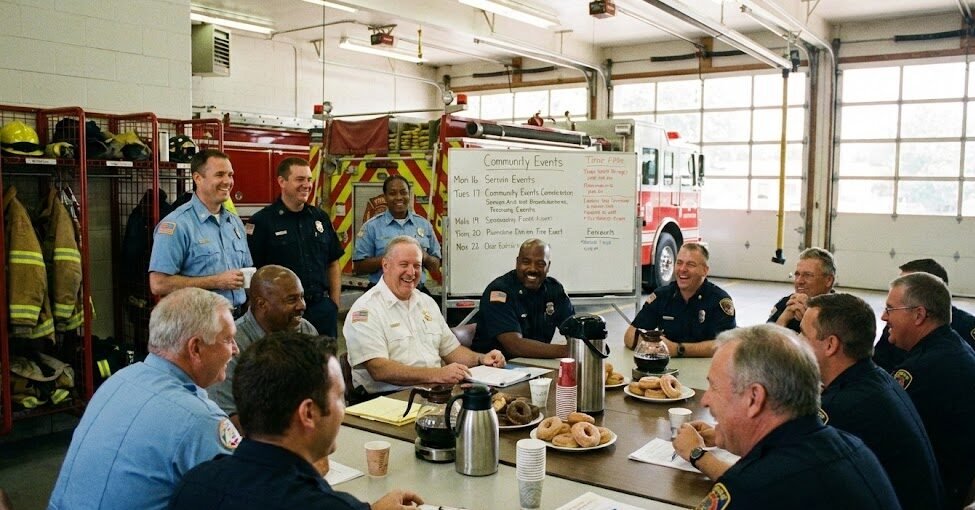
Volunteer fire departments represent the backbone of emergency response in countless communities across the nation, embodying the spirit of selfless service and civic duty. These dedicated organizations bring together individuals from all walks of life who share a common commitment to protecting their neighbors and preserving the safety of their communities.
The Foundation of Community Safety
Volunteer fire departments serve as critical first responders in rural and suburban areas where full-time professional fire services may be impractical or financially unfeasible. These organizations provide essential fire suppression, emergency medical services, rescue operations, and hazardous materials response without placing undue burden on local tax bases. The volunteers who staff these departments often maintain full-time careers while remaining on call to respond to emergencies at a moment’s notice.
Building Stronger Community Bonds
Beyond their primary mission of emergency response, volunteer fire departments function as vital community hubs that foster social cohesion and civic engagement. The fire station frequently becomes a gathering place where residents connect, relationships form, and community identity strengthens. Through their presence and activities, these departments create networks of trust and mutual support that extend far beyond emergency situations.
Community Outreach and Education
Volunteer fire departments actively engage with their communities through various educational initiatives and public programs:
- Fire prevention and safety demonstrations at schools and community centers
- Open house events that allow residents to meet firefighters and tour equipment
- CPR and first aid training courses for community members
- Smoke detector installation programs for elderly and vulnerable residents
- Youth fire safety education programs
Diverse Membership and Inclusive Service
Modern volunteer fire departments embrace diversity and inclusivity, welcoming individuals regardless of age, gender, profession, or background. This broad representation ensures that the department reflects the community it serves while bringing together varied skills, perspectives, and experiences that enhance operational effectiveness. Members range from teenagers participating in junior firefighter programs to retired professionals offering decades of life experience and expertise.
Training and Professional Development
Despite their volunteer status, members of these departments undergo rigorous training comparable to that of career firefighters. Volunteers dedicate hundreds of hours to mastering firefighting techniques, emergency medical procedures, vehicle extrication, and other specialized skills. This commitment to professional excellence ensures that communities receive high-quality emergency services regardless of whether responders are paid or volunteer.
Continuous Learning and Certification
Volunteer firefighters participate in ongoing training exercises and maintain various certifications to ensure readiness and competency. Regular drills, scenario-based training, and classroom instruction keep skills sharp and prepare volunteers for the diverse challenges they may encounter during emergency responses.
Economic Impact and Value
The economic contribution of volunteer fire departments to their communities cannot be overstated. By providing professional-level emergency services through volunteer staffing, these organizations save taxpayers millions of dollars annually. The financial value of volunteer hours, combined with reduced insurance costs for communities with reliable fire protection, creates substantial economic benefits that support local development and fiscal stability.
Challenges and Adaptation
Volunteer fire departments face evolving challenges in the contemporary landscape. Recruiting and retaining volunteers has become increasingly difficult as work schedules become more demanding and family obligations intensify. Many departments have implemented innovative strategies to address these challenges, including flexible scheduling, enhanced training opportunities, and improved equipment and facilities to attract and retain dedicated volunteers.
Technology and Modernization
Today’s volunteer fire departments leverage modern technology to enhance their capabilities and efficiency. Advanced communication systems, digital dispatch platforms, and sophisticated firefighting equipment enable volunteers to provide rapid, effective responses. Many departments utilize social media and mobile applications to communicate with members and keep communities informed about safety issues and department activities.
Mutual Aid and Regional Cooperation
Volunteer fire departments frequently establish mutual aid agreements with neighboring departments, creating networks of support that enhance regional emergency response capabilities. These collaborative relationships ensure that adequate resources are available during large-scale incidents while fostering professional relationships and shared learning among departments.
The Future of Volunteer Fire Service
As communities continue to evolve, volunteer fire departments adapt to meet changing needs while maintaining their core mission of service. The integration of new technologies, enhanced training methods, and innovative recruitment strategies position these organizations to continue their vital role in community safety and cohesion for generations to come.
The enduring success of volunteer fire departments demonstrates the power of community members working together toward a common purpose. These organizations exemplify the best qualities of civic engagement, proving that dedicated volunteers can provide exceptional service while strengthening the social fabric of their communities. Through their unwavering commitment to protecting life and property, volunteer firefighters create safer, more connected communities where neighbors look out for one another in times of crisis and beyond.