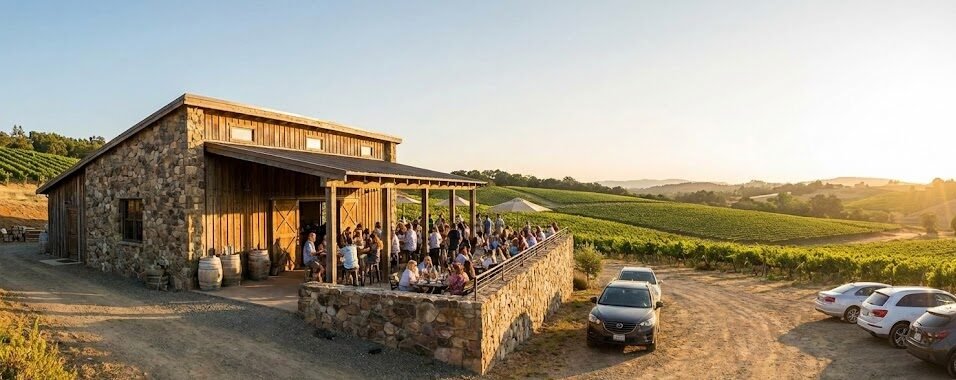
Rural communities across the country are experiencing a significant economic renaissance, driven by an unexpected catalyst: winery weekends. These carefully curated experiences have evolved from simple wine tastings into comprehensive tourism ventures that are revitalizing local economies, creating employment opportunities, and preserving agricultural heritage.
The Economic Impact of Wine Tourism
Wine tourism has emerged as a powerful economic engine for rural regions, generating substantial revenue streams that extend far beyond vineyard gates. According to industry research, visitors to wine country typically spend considerably more than average tourists, investing in accommodations, dining, entertainment, and local products during their stays.
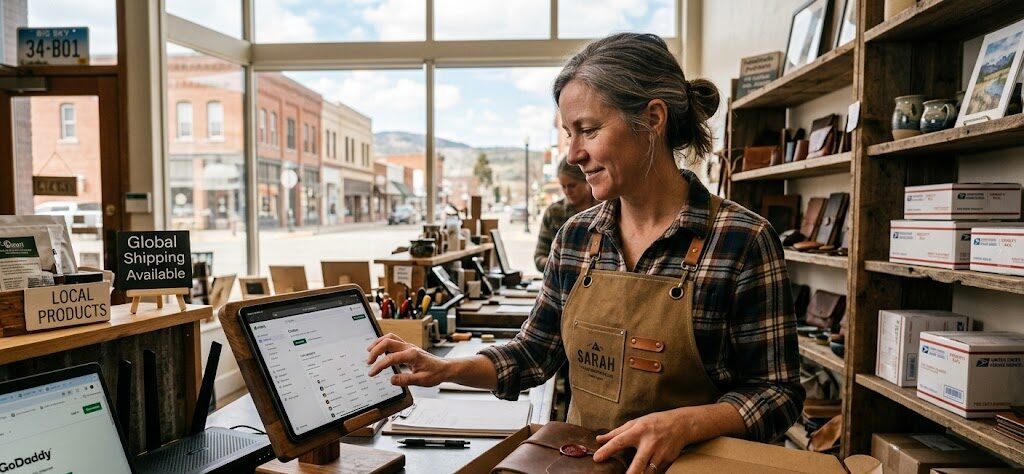
The multiplier effect of winery weekends creates a ripple of prosperity throughout entire communities. Local restaurants benefit from increased patronage, boutique hotels experience higher occupancy rates, and artisan shops see improved sales as visitors seek authentic regional products to complement their wine country experience.
Employment Opportunities and Workforce Development
The expansion of winery tourism has created diverse employment opportunities in regions that historically struggled with limited job prospects. These positions span multiple sectors and skill levels, including:
- Hospitality and customer service roles in tasting rooms and visitor centers
- Agricultural positions in vineyard management and harvesting
- Technical expertise in winemaking and cellar operations
- Marketing and event coordination professionals
- Transportation services and tour guide positions
- Culinary positions in winery restaurants and food pairing programs
Many wineries have established training programs and partnerships with local educational institutions, creating pathways for residents to develop specialized skills in viticulture, enology, and hospitality management.
Infrastructure Development and Community Investment
The success of winery weekends has catalyzed significant infrastructure improvements in rural areas. Communities have invested in enhanced road systems, improved signage, expanded broadband internet access, and upgraded utilities to support the growing tourism sector.
These infrastructure enhancements benefit not only tourists but also permanent residents, improving overall quality of life and making rural areas more attractive to potential new residents and businesses. The improved connectivity and amenities help combat rural depopulation by making these regions more viable places to live and work.
Preservation of Agricultural Land and Heritage
Wine tourism provides a compelling economic incentive for maintaining agricultural land use rather than succumbing to development pressures. Vineyards preserve open spaces, protect rural character, and maintain traditional farming practices that have defined these regions for generations.
Many wineries have embraced sustainable and organic farming methods, positioning themselves as stewards of the land while appealing to environmentally conscious consumers. This commitment to sustainability enhances the region’s reputation and creates additional marketing advantages.
Ancillary Business Growth
The popularity of winery weekends has stimulated the growth of complementary businesses throughout rural communities. Bed and breakfast establishments, farm-to-table restaurants, artisan cheese makers, specialty food producers, and craft breweries have all flourished alongside wine tourism.
These businesses create a more diverse and resilient local economy, reducing dependence on single industries and providing multiple reasons for visitors to extend their stays and return for future visits.
Marketing and Regional Branding
Successful wine regions have developed strong brand identities that promote their unique characteristics, terroir, and cultural heritage. Collaborative marketing efforts among wineries, tourism boards, and local businesses have proven more effective than individual promotional campaigns.
Digital marketing strategies, social media engagement, and wine trail applications have made it easier for potential visitors to discover rural wine regions and plan their experiences. These technological tools level the playing field, allowing smaller regions to compete with established wine tourism destinations.
Challenges and Sustainable Growth Strategies
While winery weekends offer substantial economic benefits, rural communities must carefully manage growth to prevent negative impacts such as traffic congestion, environmental degradation, and loss of authentic character. Sustainable tourism practices include:
- Implementing visitor management systems during peak seasons
- Encouraging off-season visitation through special events and programming
- Supporting public transportation options and shuttle services
- Establishing zoning regulations that preserve rural character
- Promoting responsible tourism and respect for agricultural operations
Future Outlook for Wine Tourism
The trajectory for winery weekends and rural wine tourism remains exceptionally positive. Evolving consumer preferences favor authentic, experience-based travel over traditional tourist attractions. Millennials and Generation Z travelers particularly value the educational, cultural, and culinary aspects that wine country destinations provide.
Innovation continues to drive the sector forward, with wineries incorporating virtual reality experiences, harvest participation programs, wine and wellness retreats, and farm-to-table culinary events that deepen visitor engagement and create memorable experiences worth sharing.
As rural communities continue to recognize and optimize the economic potential of wine tourism, the industry stands poised to deliver sustained growth, employment opportunities, and cultural preservation for generations to come. The success of winery weekends demonstrates that rural economic development and agricultural preservation can work in harmony, creating prosperous communities that honor their heritage while embracing contemporary opportunities.