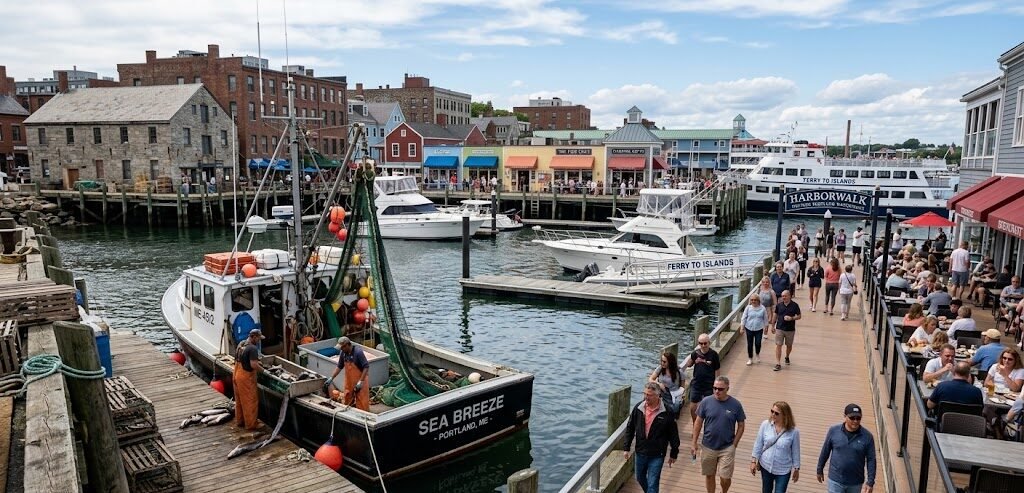
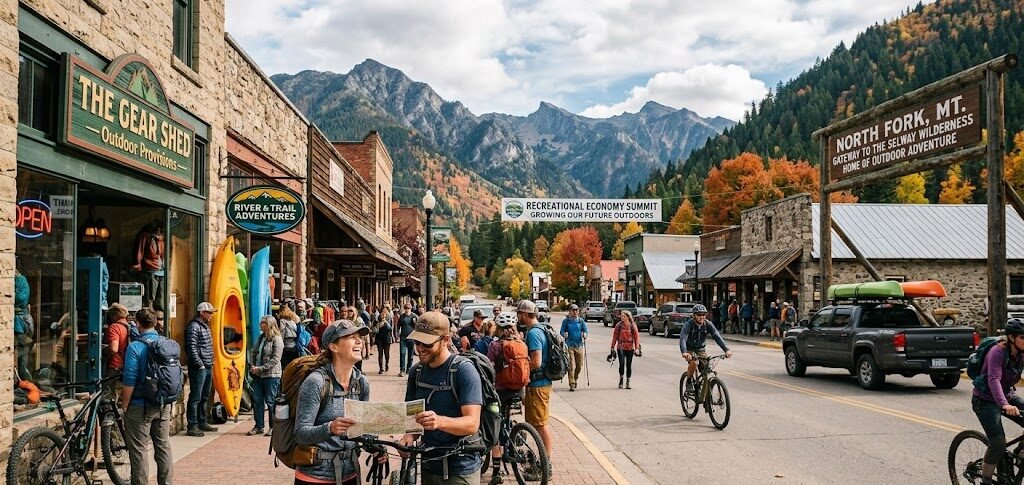
The landscape of rural America is undergoing a remarkable transformation as outdoor recreation emerges as a powerful economic force, breathing new life into communities that have long struggled with declining industries and population loss. This burgeoning sector is reshaping the economic trajectory of rural regions across the nation, creating unprecedented opportunities for growth and revitalization.
The Economic Impact of Outdoor Recreation in Rural Communities
Outdoor recreation has evolved from a modest source of seasonal income to a substantial economic pillar supporting rural America. Communities that were once dependent on traditional industries such as mining, logging, and manufacturing are discovering that their natural assets—mountains, rivers, forests, and open spaces—hold tremendous economic value in the modern economy.
The outdoor recreation economy now generates billions of dollars annually in rural areas, supporting jobs, stimulating local businesses, and attracting new residents seeking quality of life improvements. This economic activity spans multiple sectors, including lodging, dining, retail, equipment sales, guiding services, and transportation, creating a diverse and resilient economic foundation.
Key Drivers Behind the Rural Outdoor Recreation Boom
Several interconnected factors have contributed to the explosive growth of outdoor recreation in rural America:
- Remote Work Revolution: The widespread adoption of remote work has enabled urban professionals to relocate to rural areas while maintaining their careers, increasing demand for outdoor recreational opportunities.
- Health and Wellness Trends: Growing awareness of mental and physical health benefits associated with outdoor activities has driven more Americans to seek nature-based experiences.
- Adventure Tourism Growth: Travelers increasingly prioritize authentic, experience-based tourism over traditional destination visits, favoring rural settings.
- Social Media Influence: Digital platforms have amplified awareness of rural outdoor destinations, making previously unknown locations accessible to broader audiences.
- Infrastructure Investment: Federal and state funding for trails, parks, and outdoor facilities has improved accessibility and visitor experiences.
Success Stories: Rural Communities Leading the Way
Numerous rural communities have successfully leveraged outdoor recreation to transform their economies. Small towns have reimagined themselves as outdoor recreation hubs, developing trail networks, promoting fishing and hunting opportunities, and establishing themselves as destinations for activities ranging from rock climbing to mountain biking.
These success stories share common elements: strong community support, strategic planning, public-private partnerships, and a commitment to balancing economic development with environmental stewardship. Local governments have played crucial roles by investing in infrastructure, streamlining permitting processes, and marketing their communities’ unique outdoor assets.
Employment Opportunities and Workforce Development
The outdoor recreation boom has created diverse employment opportunities in rural America, from entry-level positions to specialized professional roles. Guiding services, outdoor gear shops, hospitality establishments, and land management organizations all require workers, helping to stem the tide of rural outmigration that has plagued many communities.
Furthermore, educational institutions and workforce development programs have begun offering training specific to outdoor recreation careers, ensuring that local residents can access these new employment opportunities. This focus on workforce development helps ensure that economic benefits remain within communities rather than flowing to outside operators.
Challenges and Considerations for Sustainable Growth
While the outdoor recreation economy offers tremendous promise, rural communities face several challenges in harnessing this opportunity sustainably:
- Infrastructure Strain: Increased visitation can overwhelm existing facilities, roads, and emergency services in communities with limited resources.
- Environmental Impact: Heavy recreational use can damage sensitive ecosystems, wildlife habitats, and natural resources if not properly managed.
- Seasonal Volatility: Many outdoor recreation activities are seasonal, creating income instability for businesses and workers.
- Housing Affordability: Growing demand from newcomers can drive up housing costs, pricing out long-time residents and workers.
- Community Character: Rapid change can alter the social fabric and cultural identity of rural communities.
Policy Support and Investment Strategies
Recognizing the economic potential of outdoor recreation, policymakers at federal, state, and local levels have implemented various support mechanisms. Grant programs specifically targeting outdoor recreation infrastructure, tax incentives for related businesses, and streamlined regulatory frameworks all contribute to sector growth.
Public land management agencies have also adapted their approaches, increasingly viewing recreation as a core component of their missions alongside conservation and resource management. This shift has resulted in improved facilities, expanded access, and enhanced visitor services on public lands that often serve as anchors for rural recreation economies.
The Role of Conservation in Economic Development
A fundamental principle underlying successful outdoor recreation economies is the recognition that conservation and economic development are complementary rather than competing interests. Rural communities have discovered that protecting natural resources enhances their economic value, attracting visitors who seek authentic wilderness experiences and pristine environments.
Land trusts, conservation easements, and collaborative management agreements have emerged as tools that balance access with protection, ensuring that natural assets remain viable for both current use and future generations. This approach creates a sustainable foundation for long-term economic growth rooted in environmental stewardship.
Looking Toward the Future
The outdoor recreation economy in rural America shows no signs of slowing, with projections indicating continued growth in coming decades. As technology enables greater geographic flexibility and Americans increasingly prioritize experiences over possessions, rural areas with outdoor recreational assets are positioned to thrive.
Success will require thoughtful planning, community engagement, strategic investment, and a commitment to sustainability. Rural communities that embrace these principles while preserving their unique character and natural resources will find that outdoor recreation offers a pathway to prosperity that honors both their heritage and their future.
The transformation of rural America through outdoor recreation represents more than economic revitalization—it embodies a reconnection between people and nature, a rediscovery of rural life’s value, and a reimagining of what prosperity can look like in the 21st century.