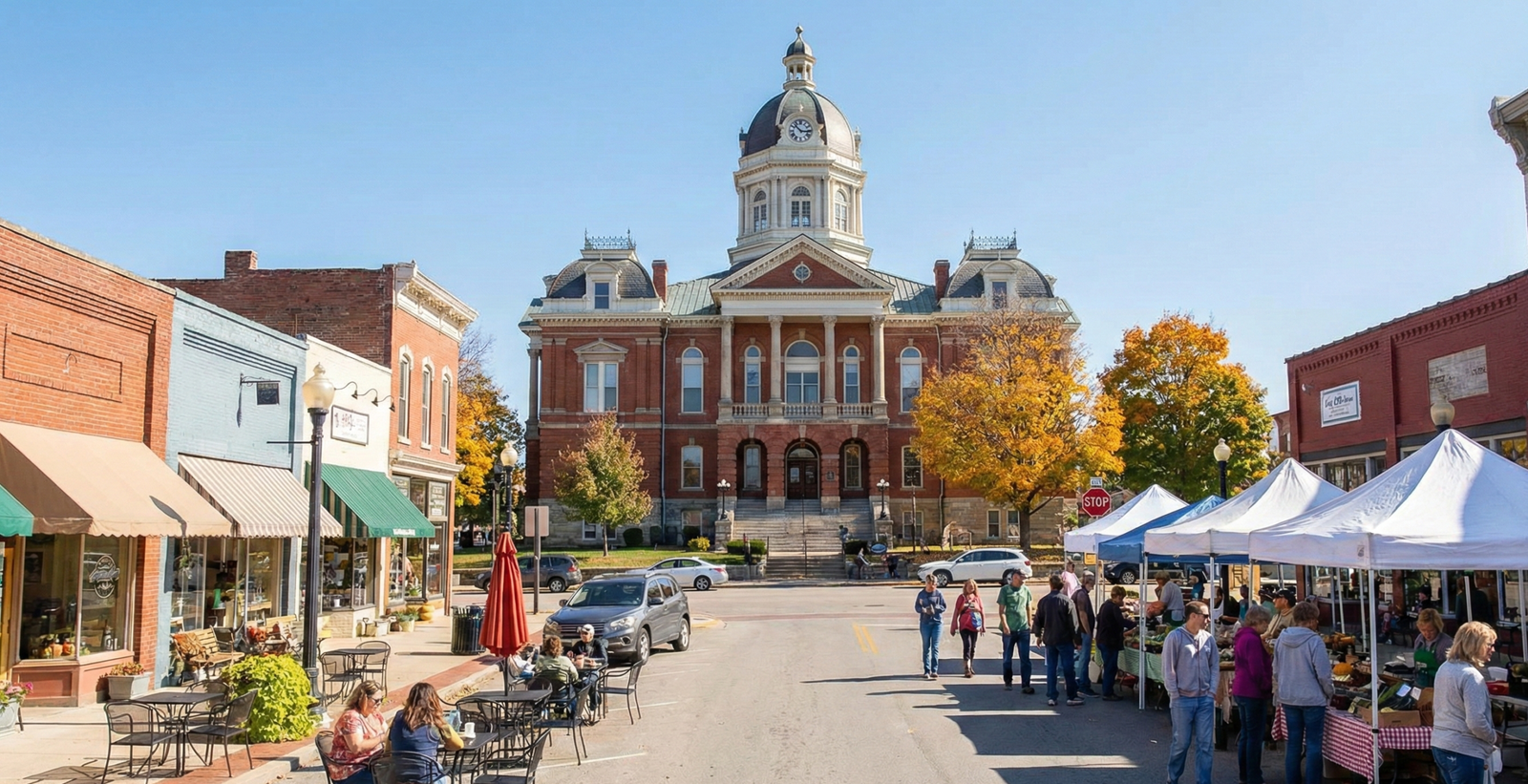
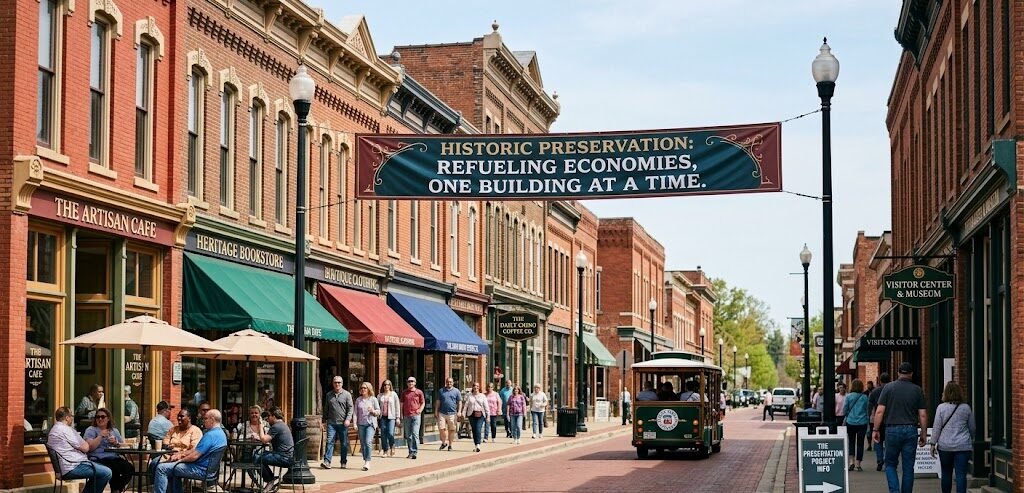
The integration of historic preservation into economic development strategies has emerged as a powerful catalyst for community revitalization and sustainable growth. Rather than viewing heritage conservation as merely a cultural endeavor, progressive municipalities and regional planners increasingly recognize it as a multifaceted economic tool that generates substantial returns on investment while maintaining community character and identity.
The Economic Foundation of Heritage Conservation
Historic preservation functions as an economic multiplier within communities, creating ripple effects that extend far beyond the immediate restoration project. When historic buildings are rehabilitated rather than demolished, construction expenditures typically remain within the local economy, supporting skilled craftspeople, specialty suppliers, and small businesses. This approach generates approximately 50% more jobs per dollar invested compared to new construction, as preservation work is inherently labor-intensive and cannot be easily automated or outsourced.
Furthermore, preserved historic districts demonstrate remarkable property value appreciation, often outpacing conventional development areas by significant margins. This enhanced valuation translates directly into increased tax revenues for municipalities without requiring additional infrastructure investments, as these established neighborhoods already possess essential utilities and transportation networks.
Tourism and Cultural Heritage Economics
Heritage tourism represents one of the fastest-growing segments of the global tourism industry, with travelers increasingly seeking authentic experiences rooted in local history and culture. Communities that strategically preserve and interpret their historic assets position themselves to capture substantial portions of this lucrative market.
The economic benefits of heritage tourism include:
- Extended visitor stays and increased per-capita spending in historic districts
- Job creation in hospitality, retail, and cultural interpretation sectors
- Support for locally-owned businesses that contribute to authentic community character
- Year-round economic activity rather than seasonal fluctuations
- Enhanced community pride and quality of life for residents
Adaptive Reuse as Sustainable Development
The adaptive reuse of historic structures exemplifies sustainable development principles while addressing contemporary economic needs. Converting former industrial facilities, warehouses, schools, or commercial buildings into modern residential, office, or mixed-use spaces preserves embodied energy, reduces construction waste, and minimizes environmental impact.
This development approach offers distinct advantages in urban markets where new construction sites are scarce or prohibitively expensive. Historic buildings often occupy prime locations with established transportation access and existing infrastructure, making them economically attractive for redevelopment. The architectural character and unique features of these structures command premium rents and sale prices, appealing to businesses and residents seeking distinctive spaces with historical significance.
Financial Incentives and Investment Tools
Recognizing the economic potential of historic preservation, governments at various levels have established financial mechanisms to encourage private investment in heritage properties. Federal Historic Tax Credits provide substantial incentives for the rehabilitation of income-producing historic structures, having leveraged billions of dollars in private investment since their inception.
State and local governments supplement these programs with additional incentives, including property tax abatements, grants, low-interest loans, and expedited permitting processes. These tools effectively reduce financial barriers to preservation projects while ensuring that rehabilitation work meets established preservation standards.
Main Street Revitalization Programs
The Main Street approach to downtown revitalization has demonstrated exceptional success in communities of all sizes, combining historic preservation with comprehensive economic development strategies. This methodology focuses on incremental improvements, local capacity building, and public-private partnerships to restore commercial vitality to traditional downtown districts.
Communities implementing Main Street programs consistently report measurable economic impacts, including net job creation, increased property values, private investment leverage, and new business formation. The program’s emphasis on preserving historic building stock while accommodating modern business needs creates economically viable downtowns that serve as authentic gathering places and economic anchors.
Workforce Development and Skills Training
Historic preservation projects support specialized workforce development in traditional building trades and crafts that might otherwise disappear. Training programs in restoration carpentry, masonry, decorative arts, and historical architecture create career pathways while ensuring the availability of skilled professionals for ongoing preservation needs.
These specialized skills command premium wages and cannot be easily outsourced, contributing to local economic resilience. Additionally, the presence of a skilled preservation workforce attracts additional projects to communities, creating a self-reinforcing cycle of economic activity.
Measuring Economic Impact
Quantifying the economic returns of historic preservation requires comprehensive analysis that extends beyond direct construction expenditures. Effective measurement frameworks account for job creation, property value appreciation, tax revenue generation, tourism spending, and the retention of local economic activity that might otherwise flow to external contractors and suppliers.
Research consistently demonstrates that preservation investments yield strong returns across multiple metrics, with studies indicating return-on-investment ratios that frequently exceed those of comparable new construction projects. These findings provide compelling evidence for policymakers and economic development professionals considering preservation as a strategic priority.
Community Competitiveness and Place-Making
In an increasingly mobile economy, communities compete to attract and retain talented workers, entrepreneurs, and businesses. Historic preservation contributes significantly to place-making efforts that differentiate communities and enhance their competitive positioning. Authentic historic character cannot be replicated, providing communities with unique assets that foster strong place attachment and community identity.
This distinctive character proves particularly valuable in attracting knowledge economy workers and creative class professionals who prioritize quality of life factors and authentic community experiences. Historic neighborhoods and downtown districts offer walkable, human-scaled environments that align with contemporary preferences for sustainable, connected communities.
Strategic Implementation Considerations
Successfully integrating historic preservation into economic development strategies requires thoughtful planning, stakeholder engagement, and sustained commitment. Communities must develop clear preservation policies, establish design guidelines that balance preservation standards with economic feasibility, and create regulatory frameworks that facilitate rather than obstruct appropriate rehabilitation projects.
Public-private partnerships prove essential for leveraging limited public resources and ensuring that preservation initiatives align with market realities and economic development objectives. Successful implementation also requires ongoing communication with property owners, developers, and community stakeholders to build understanding and support for preservation-based development approaches.
Historic preservation represents far more than nostalgic conservation of the past; it constitutes a pragmatic, economically sound strategy for building prosperous, sustainable communities.