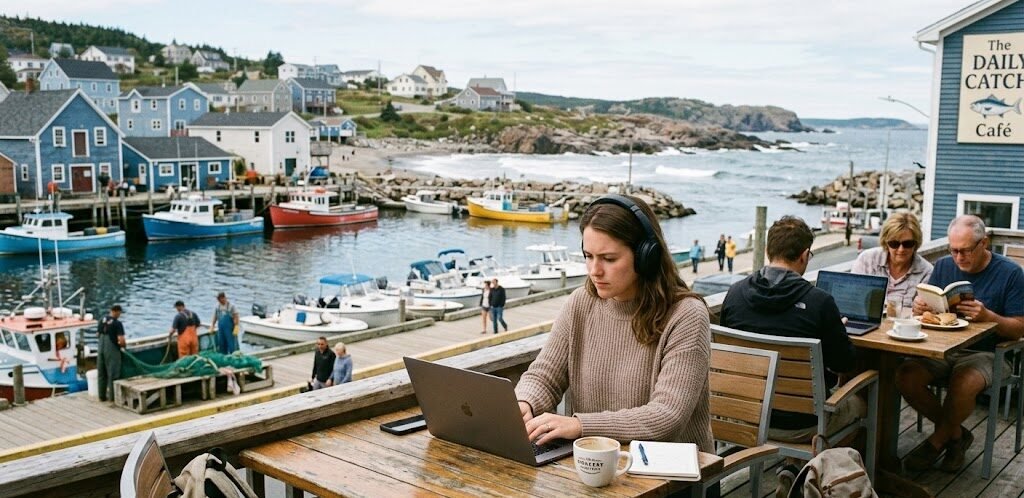
The landscape of professional work has undergone a remarkable transformation in recent years, with remote work evolving from a niche arrangement to a mainstream practice. This shift has prompted professionals to reconsider their living arrangements, leading many to discover the unique appeal of coastal communities as ideal destinations for remote work.
The Evolution of Remote Work Culture
The widespread adoption of remote work has fundamentally altered the traditional relationship between employment and geographic location. Professionals are no longer tethered to urban centers, enabling them to prioritize quality of life alongside career aspirations. This newfound flexibility has catalyzed a migration toward coastal areas that offer distinctive advantages previously inaccessible to the working population.
Natural Environment and Well-Being
Coastal towns provide an unparalleled natural setting that significantly contributes to enhanced well-being and productivity. The proximity to the ocean offers numerous benefits that urban environments simply cannot replicate:
- Access to pristine beaches and waterfront activities during breaks
- Improved air quality with refreshing sea breezes
- Natural stress reduction through scenic surroundings
- Opportunities for outdoor recreation year-round
- Enhanced mental health through connection with nature
Research consistently demonstrates that proximity to water bodies correlates with improved psychological well-being, making coastal locations particularly attractive for professionals seeking work-life balance.
Infrastructure and Connectivity Improvements
Modern coastal communities have invested substantially in technological infrastructure to accommodate the influx of remote workers. High-speed internet connectivity, once a concern in smaller towns, has become increasingly reliable and widely available. Many coastal municipalities have recognized the economic potential of attracting remote workers and have prioritized the development of robust digital infrastructure.
Furthermore, co-working spaces have emerged throughout coastal regions, providing professionals with dedicated work environments that combine professional amenities with inspiring ocean views. These facilities offer networking opportunities while maintaining the serene atmosphere that characterizes coastal living.
Economic Advantages
The financial considerations of relocating to coastal towns present compelling arguments for many remote workers. While prime beachfront properties command premium prices, numerous coastal communities offer significantly lower costs of living compared to major metropolitan areas:
- Reduced housing expenses in smaller coastal towns
- Lower transportation costs due to decreased commuting needs
- Competitive prices for everyday goods and services
- Potential tax advantages depending on the jurisdiction
- Decreased expenses related to urban lifestyle requirements
This economic advantage enables remote workers to maintain or improve their standard of living while enjoying the aesthetic and lifestyle benefits of coastal residence.
Community and Lifestyle Enhancement
Coastal towns typically foster tight-knit communities with distinctive local cultures. Remote workers often find these environments more conducive to establishing meaningful connections compared to the anonymity of large cities. The slower pace of coastal living promotes a lifestyle centered on quality rather than constant activity.
The social fabric of coastal communities frequently revolves around outdoor activities, local markets, and community events that encourage participation and integration. This environment proves particularly appealing for professionals seeking authentic connections beyond the digital realm of remote work.
Work-Life Integration
The coastal setting facilitates superior work-life integration rather than mere work-life balance. Professionals can seamlessly incorporate rejuvenating activities into their daily routines, such as morning beach walks before work, lunchtime swims, or evening surfing sessions. This integration contributes to sustained productivity and job satisfaction.
The natural rhythm of coastal living—influenced by tides, weather patterns, and seasonal changes—provides a grounding counterbalance to the sometimes abstract and screen-dominated nature of remote work.
Future Considerations and Sustainability
As coastal towns continue attracting remote workers, considerations regarding sustainable growth become increasingly important. Communities must balance economic development with environmental preservation and infrastructure capacity. Forward-thinking coastal towns are implementing sustainable practices to ensure long-term viability:
- Environmental protection initiatives for coastal ecosystems
- Managed growth policies to prevent overdevelopment
- Investment in renewable energy and green infrastructure
- Programs supporting local businesses and economies
- Community planning that prioritizes quality of life
Conclusion
The convergence of remote work opportunities and the inherent advantages of coastal living has created an attractive proposition for professionals worldwide. Coastal towns offer a unique combination of natural beauty, improved infrastructure, economic viability, and enhanced quality of life that aligns perfectly with the priorities of contemporary remote workers. As technology continues advancing and remote work becomes increasingly normalized, coastal communities are positioned to remain desirable destinations for those seeking to harmonize professional ambitions with lifestyle aspirations. The trend toward coastal remote work represents not merely a temporary phenomenon but rather a fundamental reimagining of where and how productive, fulfilling work can occur.