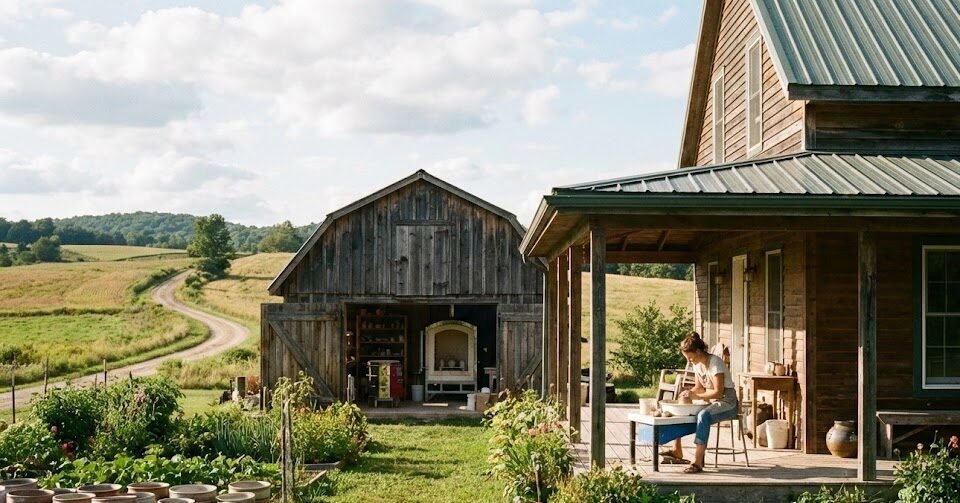
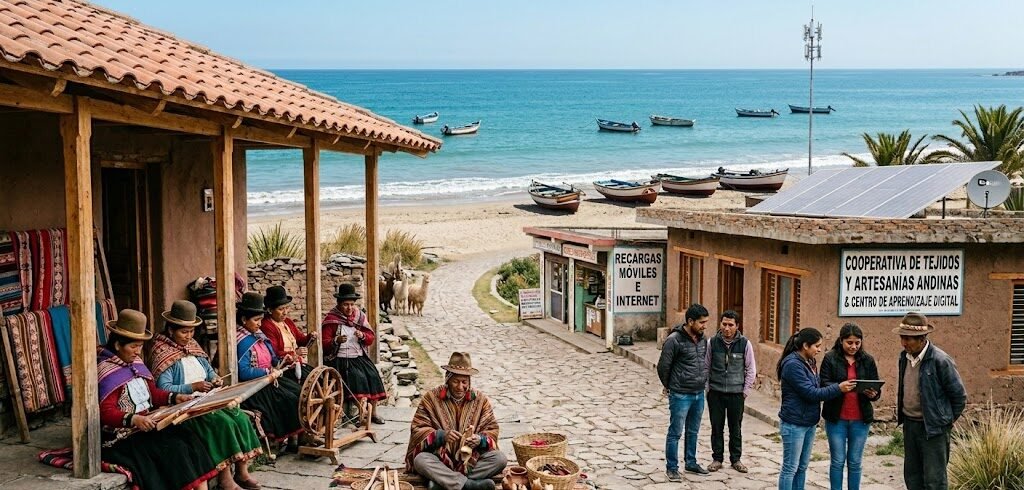
The preservation of rural heritage stands as one of the most pressing challenges in contemporary society, as modernization and urbanization continue to reshape landscapes and communities worldwide. The delicate balance between progress and preservation requires thoughtful consideration, innovative approaches, and unwavering commitment from multiple stakeholders.
The Significance of Rural Heritage
Rural heritage encompasses far more than picturesque landscapes and historic buildings. It represents the accumulated wisdom, traditions, and cultural identity of communities that have shaped agricultural practices, social structures, and environmental stewardship for generations. These areas contain invaluable repositories of traditional knowledge, architectural styles, and sustainable living practices that offer crucial insights for contemporary society.
The tangible elements of rural heritage include vernacular architecture, agricultural landscapes, traditional irrigation systems, and historic settlements. Equally important are the intangible aspects: folklore, agricultural techniques, seasonal festivals, and community traditions that have been transmitted through oral histories and practical demonstration across centuries.
Challenges Posed by Modern Development
The rapid pace of modernization presents numerous threats to rural heritage preservation. Urban expansion frequently encroaches upon agricultural lands and traditional settlements, fundamentally altering the character and functionality of rural areas. Infrastructure development, while essential for economic progress, often disregards the historical and cultural significance of rural landscapes.
Economic Pressures
Rural communities face significant economic pressures that can compromise preservation efforts. Young populations migrate to urban centers seeking better employment opportunities, resulting in demographic shifts that threaten the continuity of traditional practices. Agricultural lands are frequently converted to residential or commercial developments, driven by market forces that prioritize short-term financial gains over long-term cultural sustainability.
Environmental Concerns
Climate change and environmental degradation compound the challenges of rural heritage preservation. Extreme weather events, changing precipitation patterns, and rising temperatures threaten traditional agricultural systems and historic structures. Modern farming practices, while increasing productivity, sometimes replace time-tested sustainable methods that maintained ecological balance for generations.
Strategies for Effective Preservation
Successful rural heritage preservation requires comprehensive strategies that integrate conservation with sustainable development. These approaches must acknowledge the legitimate needs of rural communities while safeguarding their cultural legacy for future generations.
Policy and Legislative Frameworks
Governments must establish robust legal frameworks that protect rural heritage sites and traditional landscapes. Zoning regulations, heritage designations, and conservation easements can provide essential safeguards against inappropriate development. Financial incentives, including tax benefits and grants, can encourage property owners to maintain historic structures and continue traditional practices.
Community Engagement and Empowerment
Local communities must remain at the center of preservation efforts. Participatory approaches that involve residents in decision-making processes ensure that conservation strategies align with community needs and values. Educational programs can foster appreciation for local heritage among younger generations, encouraging them to become stewards of their cultural legacy.
Skills training initiatives help preserve traditional crafts and techniques while creating economic opportunities. Apprenticeship programs connecting experienced practitioners with younger learners ensure the transmission of specialized knowledge in areas such as traditional building methods, artisanal crafts, and sustainable agricultural practices.
Integrating Heritage with Modern Development
Rather than viewing preservation and development as opposing forces, innovative approaches seek to harmonize these objectives. Adaptive reuse of historic buildings can accommodate modern functions while maintaining architectural integrity. Traditional agricultural landscapes can be preserved through agritourism initiatives that generate income while showcasing rural heritage.
Heritage Tourism as Economic Driver
Well-managed heritage tourism offers significant economic benefits to rural communities while promoting preservation. Visitors seeking authentic cultural experiences provide markets for traditional crafts, local cuisine, and heritage accommodations. However, tourism development must be carefully planned to prevent commercialization that could compromise the authenticity and integrity of rural heritage.
Technology and Documentation
Modern technology provides powerful tools for heritage preservation. Digital documentation creates detailed records of historic structures, traditional practices, and oral histories. Geographic information systems (GIS) help map and analyze cultural landscapes, supporting informed planning decisions. Social media platforms and virtual tours can raise awareness and generate support for preservation efforts beyond local communities.
Sustainable Development Models
Sustainable development models demonstrate that economic progress need not come at the expense of cultural heritage. Green building techniques can incorporate traditional architectural principles and local materials. Organic farming methods often draw upon traditional agricultural knowledge, creating market opportunities while preserving environmental and cultural values.
Mixed-use development strategies can introduce modern amenities and economic opportunities while respecting the scale, character, and social fabric of rural communities. New construction can employ contemporary design that complements rather than mimics historic architecture, creating visual harmony across different periods.
The Role of Education and Awareness
Education initiatives play a fundamental role in rural heritage preservation. School curricula that incorporate local history and traditional knowledge foster connection to place among young people. Public awareness campaigns can highlight the value of rural heritage, building broader support for conservation efforts.
Academic research and documentation contribute to understanding rural heritage and developing effective preservation strategies. Universities and research institutions can partner with rural communities to study traditional practices, assess conservation needs, and evaluate the effectiveness of preservation initiatives.
International Cooperation and Best Practices
Rural heritage preservation benefits from international cooperation and knowledge exchange. Organizations such as UNESCO provide frameworks for recognizing and protecting cultural landscapes of outstanding universal value. International networks facilitate the sharing of best practices, technical expertise, and successful case studies across different cultural contexts.
Comparative studies of preservation approaches in various countries offer valuable insights into effective strategies and potential pitfalls. International funding mechanisms can support preservation efforts in communities with limited local resources.
Moving Forward
The preservation of rural heritage amid modern development requires sustained commitment, creative problem-solving, and collaborative action. Success depends upon recognizing that rural heritage is not merely a relic of the past but a living resource with continued relevance for contemporary society.
By embracing integrated approaches that honor cultural legacy while supporting community vitality, societies can ensure that rural heritage continues to enrich human experience and inform sustainable development practices. The challenge lies not in choosing between preservation and progress, but in pursuing development pathways that respect and incorporate the invaluable contributions of rural heritage to our collective future.