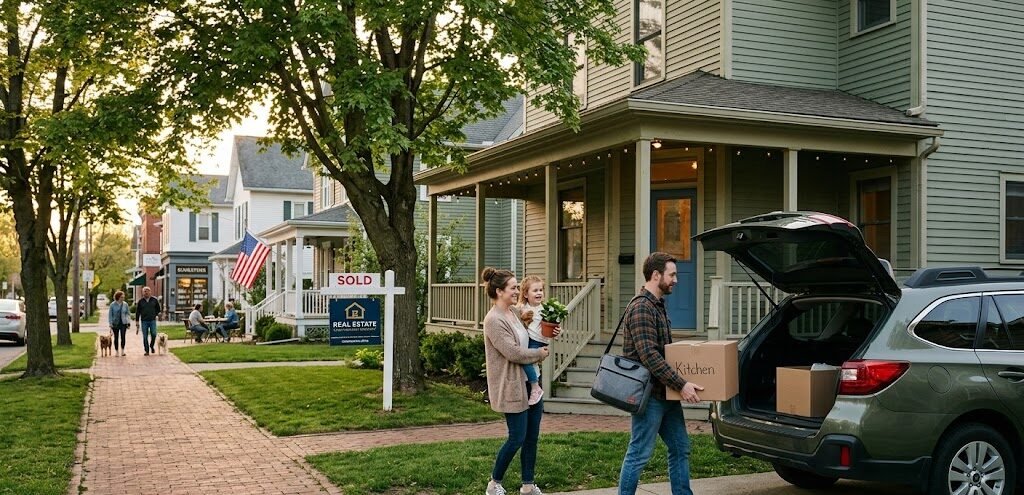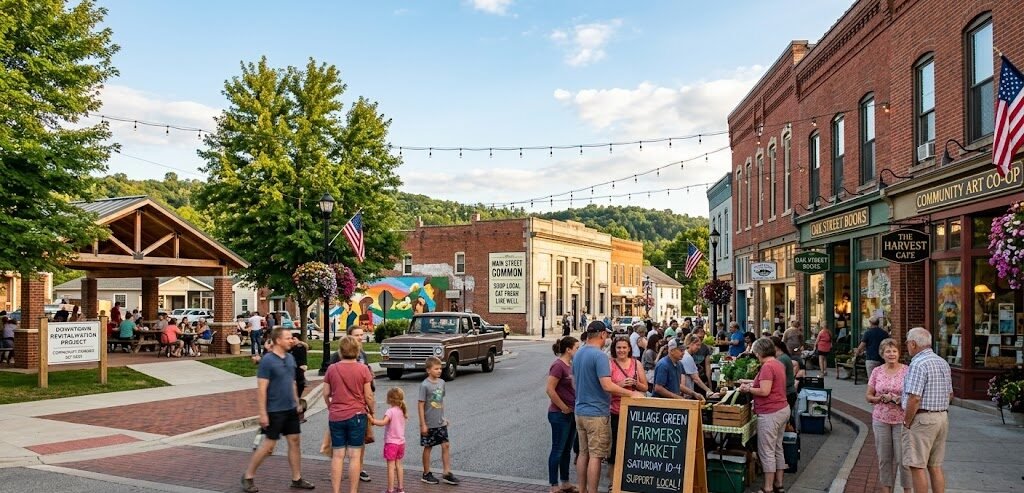
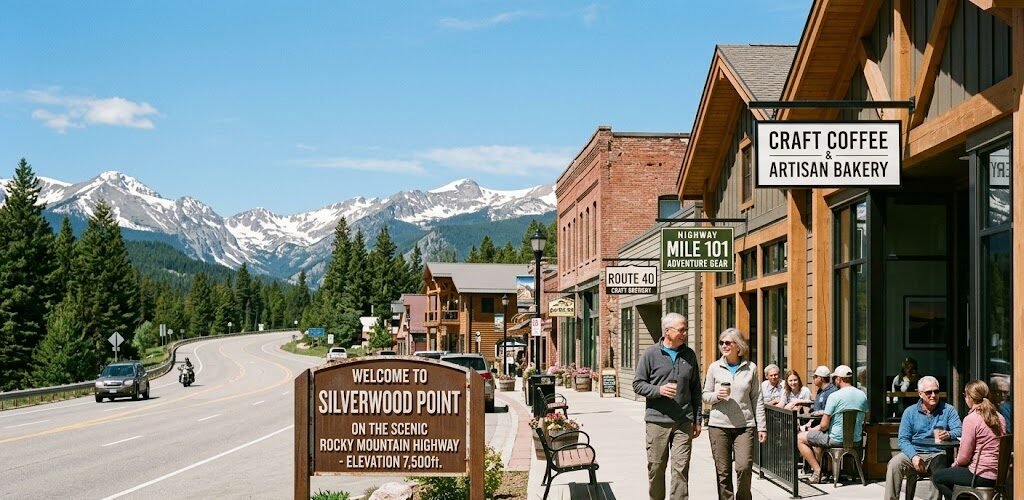
The allure of scenic highway towns has transcended their traditional role as mere waypoints for travelers. Today, these picturesque communities are experiencing unprecedented growth as preferred destinations for both entrepreneurial ventures and retirement planning. This transformation reflects a fundamental shift in how Americans view quality of life, work-life balance, and long-term residential satisfaction.
The Economic Renaissance of Highway Communities
Scenic highway towns are witnessing a remarkable economic revitalization driven by strategic location advantages and evolving demographic preferences. These communities offer a unique combination of accessibility and tranquility that appeals to business owners seeking to establish operations outside congested metropolitan areas.
The economic infrastructure of these towns has matured considerably, with improved telecommunications capabilities, reliable transportation networks, and enhanced municipal services. This development has effectively eliminated many traditional barriers that once made rural business operations challenging, creating an environment conducive to commercial success.
Cost Advantages and Quality of Life
Financial considerations play a substantial role in the migration toward scenic highway destinations. The comparative analysis reveals compelling advantages:
- Significantly lower real estate costs for both residential and commercial properties
- Reduced operational expenses including utilities, taxes, and employee compensation
- Decreased cost of living enabling enhanced purchasing power
- Minimal traffic congestion resulting in lower transportation costs
- More affordable healthcare and insurance options
These economic benefits translate into tangible improvements in quality of life, allowing residents to allocate resources toward leisure activities, travel, and personal enrichment rather than excessive housing and operational costs.
Remote Work Revolution and Geographic Freedom
The widespread adoption of remote work arrangements has fundamentally altered the relationship between employment and geography. Professionals are no longer tethered to urban centers, creating unprecedented opportunities for scenic highway towns to attract knowledge workers and digital entrepreneurs.
This demographic shift brings substantial benefits to local economies through increased consumer spending, property investment, and tax revenue generation. Furthermore, these new residents often possess specialized skills and expertise that enhance the overall business ecosystem of their adopted communities.
Natural Amenities and Recreational Opportunities
The environmental characteristics of scenic highway towns constitute a primary attraction for both businesses and retirees. These communities typically offer:
- Proximity to national parks, forests, and wilderness areas
- Access to hiking, fishing, and outdoor recreation
- Clean air quality and minimal pollution
- Scenic vistas and natural beauty
- Wildlife observation opportunities
- Seasonal activities including skiing, boating, and camping
These natural assets contribute significantly to physical health, mental well-being, and overall life satisfaction, factors increasingly prioritized by individuals making relocation decisions.
Community Character and Social Connectivity
Scenic highway towns typically maintain strong community bonds and social cohesion that have diminished in larger urban environments. The smaller population scale facilitates meaningful personal connections, civic engagement, and collaborative problem-solving.
Local businesses benefit from this social fabric through enhanced customer loyalty, community support during challenging periods, and collaborative marketing initiatives. Retirees discover welcoming environments where establishing friendships and developing social networks proves considerably easier than in anonymous metropolitan settings.
Healthcare Access and Senior Services
Contrary to outdated perceptions, many scenic highway towns have developed robust healthcare infrastructure to serve aging populations. Regional medical centers, specialty clinics, and telemedicine capabilities ensure residents receive quality care without traveling to distant urban hospitals.
The expansion of senior services including assisted living facilities, home healthcare options, and wellness programs has made these communities increasingly attractive for retirement planning. This infrastructure development simultaneously creates employment opportunities and enhances overall community vitality.
Tourism-Driven Business Opportunities
The scenic attributes that attract retirees also generate substantial tourism traffic, creating diverse entrepreneurial opportunities. Businesses catering to visitors enjoy consistent seasonal revenue while serving local populations during off-peak periods.
Successful business models in these environments include:
- Boutique accommodations and vacation rentals
- Specialized retail establishments featuring local crafts and products
- Restaurants emphasizing regional cuisine and locally-sourced ingredients
- Outdoor recreation outfitters and guide services
- Art galleries and cultural venues
- Professional services supporting both residents and visitors
Infrastructure Improvements and Municipal Investment
Recognizing the economic potential of attracting businesses and retirees, many scenic highway towns have implemented strategic infrastructure improvements. Enhanced broadband internet access, modernized utilities, upgraded roads, and expanded public facilities demonstrate municipal commitment to sustainable growth.
These investments signal to prospective residents and business owners that communities are forward-thinking and prepared to accommodate growth while preserving the essential character that makes them attractive destinations.
Tax Incentives and Business-Friendly Policies
Numerous scenic highway communities have adopted proactive economic development strategies including tax incentives, streamlined permitting processes, and business assistance programs. These initiatives reduce startup barriers and operational costs, making these locations increasingly competitive with traditional business centers.
For retirees, favorable state tax policies regarding retirement income, property taxes, and estate planning create additional financial incentives that enhance the appeal of relocation to these communities.
Sustainable Growth and Preservation Balance
Successful scenic highway towns recognize the delicate balance between economic development and environmental preservation. Thoughtful planning ensures growth enhances rather than diminishes the qualities that attracted residents and businesses initially.
This commitment to sustainable development involves preserving natural landscapes, maintaining architectural character, limiting commercial sprawl, and protecting recreational resources. Communities that successfully navigate this balance position themselves for long-term prosperity and continued appeal to quality-conscious businesses and retirees.
Future Outlook and Continued Growth
Demographic trends and technological advances suggest the migration toward scenic highway towns will continue accelerating.